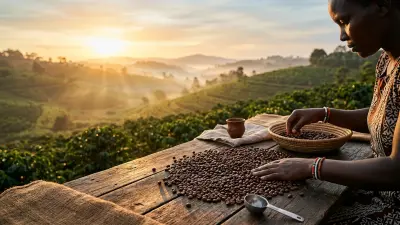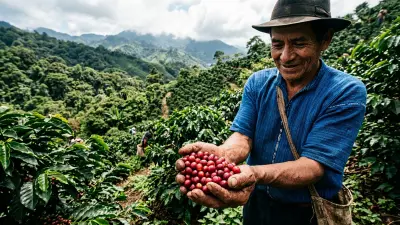
Every journey into high-grade specialty coffee eventually leads back to Ethiopia, the undisputed motherland of Arabica coffee. Unlike most coffee-producing nations that rely on a handful of cultivated cultivars, Ethiopia is home to tens of thousands of wild, indigenous heirloom varietals growing naturally in high-altitude forests. When you brew a cup of Ethiopian coffee, you are drinking centuries of agricultural history, rich biodiversity, and pure geographic expression. Mastering beans from famous growing regions like Yirgacheffe and Sidamo is essential for any home barista looking to expand their palate and perfect their extraction technique.
Quick answer: Yirgacheffe coffee is famous for its delicate, tea-like body with pronounced floral jasmine and bright citrus notes, usually best highlighted through washed processing. Sidamo offers a broader flavor spectrum with a heavier mouthfeel, delivering intense blueberry, dark chocolate, and stone fruit characteristics, especially in naturally processed lots. Choose Yirgacheffe for refined floral acidity with pour-overs, and Sidamo for rich, jammy fruit flavors across pour-over, immersion, or espresso.
The Cradle of Coffee: What Makes Ethiopian Terroir Extraordinary
Ethiopia’s coffee-growing environment is virtually impossible to replicate anywhere else on Earth. Vast mountain plateaus soaring between 1,500 and 2,200 meters above sea level provide cool temperatures and extended ripening cycles. This slow growth allows the coffee cherry to concentrate natural sugars, complex organic acids, and aromatic compounds deep within the seed. Combine this altitude with nutrient-rich volcanic soil and shade canopy farming, and you get dense coffee beans capable of delivering explosive, layered flavors in the cup.
Beyond altitude and soil, Ethiopia’s incredible genetic diversity sets its crops apart. While nations in Latin America or Asia predominantly plant specific cultivars like Bourbon, Caturra, or Typica, Ethiopian smallholders cultivate unique landrace varieties often simply grouped as "Ethiopian Heirloom." These untamed genetic lines produce distinctive cup profiles that range from sweet bergamot and lemongrass to heavy dried cranberry and cocoa. Exploring coffee origins through these wild landraces offers a sensory experience unlike any commercial hybrid bean on the market.
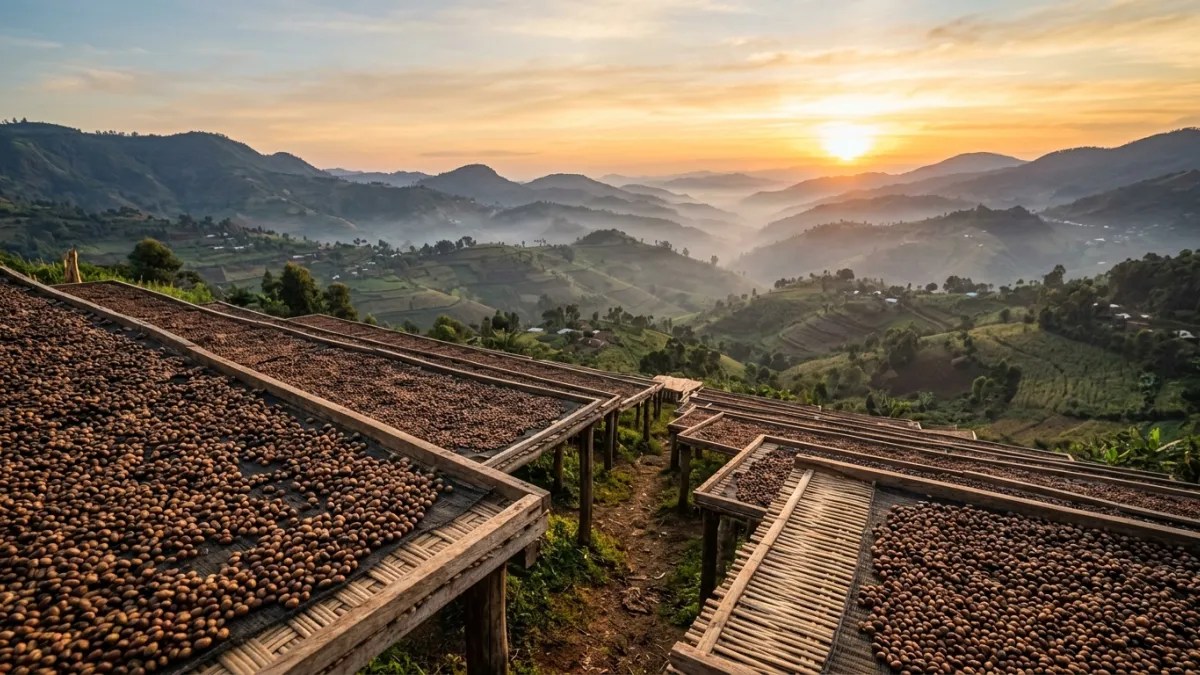
Processing also plays a defining role in shaping the final profile of Ethiopian coffee. In the traditional natural (dry) process, ripe coffee cherries are spread across elevated bamboo drying beds under the sun for up to three weeks. The bean ferments inside the drying fruit, absorbing intense sweetness and fruit sugars. Conversely, the washed (wet) process removes the skin and pulp before fermenting and washing the seeds in mountain spring water. Washed processing strips away heavy sugars to expose crisp acidity, pristine clarity, and delicate floral top notes.
Yirgacheffe: Deconstructing the Floral and Citrus Powerhouse
Nested within the broader Gedeo Zone in southern Ethiopia, Yirgacheffe is a micro-region synonymous with world-class specialty coffee. Coffees cultivated in these steep, mist-covered highlands routinely score above 88 points on the specialty coffee association (SCA) cupping scale. The region’s microclimate produces a cup so clean and aromatic that coffee lovers often mistake a lightly roasted washed Yirgacheffe for high-grade Earl Grey or jasmine green tea.
A classic washed Yirgacheffe delivers intense aromatics of white blossoms, lavender, and bergamot, followed by tasting notes of fresh lemon zest, peach nectar, and candied ginger. The acidity is bright and phosphoric, floating across a light-to-medium tea-like body. While naturally processed Yirgacheffes are also produced—offering a punchy raspberry and tropical fruit character—the washed process remains the gold standard for enthusiasts who crave maximum clarity and elegant aromatic structure.
To extract these fragile aromatics without scorching the ground coffee, precise parameters are required. High density means these high-altitude seeds need sufficient heat to unlock their potential, but over-extraction can quickly introduce harsh bitter tannins. Utilizing a dedicated filter cone, careful pouring technique, and fresh filtered water will yield an unbelievably crisp cup that rewards careful preparation.
Barista's tip: When brewing light-roasted washed Yirgacheffe on a Hario V60, channel formation in the coffee bed is your biggest enemy. Because dense high-altitude heirloom beans generate a high volume of fine particles (fines) during grinding, agitating the slurry too aggressively can clog your filter paper and cause severe drawdown stalls. Use a gentle spiral pour with minimal agitation, keep your pour height low, and aim for a total brew time between 2:45 and 3:15 using a solid flat or conical burr grinder like a Baratza Encore or Fellow Ode.
Sidamo: A Symphony of Berry, Stone Fruit, and Body
Surrounding the Yirgacheffe zone lies the vast Sidamo (officially Sidama) region, an expansive territory encompassing varied topographies, microclimates, and coffee-producing communities. Because Sidamo covers such a wide geographic footprint, its coffees offer remarkable diversity. Higher elevation washing stations produce elegant, citrusy lots, while the sun-drenched lower and middle slopes yield some of the most iconic natural processed coffees in the world.
If Yirgacheffe represents delicate elegance, Sidamo represents bold complexity and rich mouthfeel. A high-grade natural Sidamo bean is world-famous for its explosive aroma of ripe blueberry jam, dark sweet cherry, and cocoa powder. On the palate, expect a velvety, syrupy body paired with wine-like acidity and complex undertones of spice and plum. Washed Sidamo lots balance this intensity with cleaner notes of apricot, lime juice, and sweet black tea.
Because natural Sidamo coffees carry higher amounts of residual fruit sugars on the exterior of the green bean, they caramelize quickly during roasting and dissolve faster during brewing. Consequently, home baristas must adjust their variables. Lowering water temperature slightly prevents scorching these soluble sugars, preserving the vibrant fruit sweetness and lingering chocolate finish that make natural Sidamos so universally beloved.
Yirgacheffe vs. Sidamo: Detailed Comparison & Brewing Matrix
Choosing between these two Ethiopian powerhouses comes down to your personal flavor preferences and preferred extraction methods. Below is a comprehensive side-by-side comparison matrix to help you select the ideal bean, grind, and brewing setup for your home café.
| Parameter | Ethiopian Yirgacheffe | Ethiopian Sidamo |
|---|---|---|
| Primary Region / Zone | Gedeo Zone (Southern Ethiopia) | Sidama Regional State |
| Growing Altitude | 1,700 – 2,200 meters | 1,500 – 2,200 meters |
| Dominant Processing | Washed (Wet Processed) | Natural (Sun-Dried / Dry Processed) |
| Flavor Profile | Jasmine, Bergamot, Lemon Zest, Green Tea | Blueberry Jam, Dark Cherry, Cocoa, Peach |
| Body & Mouthfeel | Light, Tea-like, Delicate, Clean | Medium-Full, Syrupy, Winey, Velvety |
| Recommended Ratio | 1:16 to 1:17 (e.g., 18g coffee to 300g water) | 1:15 to 1:16 (e.g., 18g coffee to 280g water) |
| Target Water Temp | 93°C – 96°C (200°F – 205°F) | 90°C – 93°C (195°F – 200°F) |
| Best Brew Methods | Hario V60, Chemex, AeroPress | French Press, AeroPress, Espresso, V60 |
Dialing In Ethiopian Beans: Grind, Water Chemistry, and Freshness
To maximize the flavor potential of Ethiopian heirloom beans, paying attention to post-roast timing and water quality is non-negotiable. Because dense highland beans trap carbon dioxide deep inside their cellular structure, brewing them too early results in uneven extraction and sour, grassy flavors. Allow light-roasted Ethiopian beans to rest and degas for at least 10 to 14 days after the roast date, reaching their absolute peak flavor window between 2 and 4 weeks post-roast.
Grind size distribution plays an equally critical role. Ethiopian heirloom beans are notoriously brittle and tend to shatter into micro-fines when struck by grinder burrs. Premium hand grinders or quality electric flat-burr units produce a tighter particle distribution, ensuring water flows evenly through the coffee bed. For pour-over preparations, aim for a medium-fine grind setting around 500 to 600 microns, while immersion tools like the French Press perform best with a slightly coarser 800-micron setting.
Water chemistry can completely alter your cup. Using overly hard tap water high in calcium and magnesium will crush the subtle floral top notes of a Yirgacheffe, leaving the brew dull and chalky. To highlight vibrant fruity acidity and sweet aromatics, use soft water adhering to SCA standards with a total dissolved solids (TDS) measurement between 75 and 125 ppm. Dialing in your water along with precise pour ratios ensures you capture every subtle layer these exceptional beans have to offer.
If you are looking for an ultra-clean, elegant morning cup filled with floral perfume and citrus brightness, start with a light-roasted washed Yirgacheffe brewed on a pour-over cone like the V60 at a 1:16.6 ratio. If you prefer a richer brew with massive berry sweetness, heavy body, and low perceived acidity, grab a natural Sidamo, set your water temperature to 91°C, and prepare an immersive French Press or rich AeroPress brew. Both paths showcase the magnificent genetic heritage of Ethiopian coffee right on your kitchen counter.
Frequently Asked Questions
Why does my Ethiopian coffee stall my pour-over filter during brewing?
Ethiopian heirloom varieties are exceptionally dense and naturally produce a higher percentage of fine particles during grinding. These fines migrate to the bottom of your filter paper, causing water to stall. To fix this, use a higher-quality burr grinder, reduce slurry agitation during your pour, or coarsen your grind setting slightly.
Is Yirgacheffe coffee naturally higher in caffeine than other coffees?
No, Yirgacheffe coffee is 100% Arabica, which naturally contains roughly half the caffeine content of Robusta coffee species. The high-altitude growing conditions do not increase caffeine levels, though lighter roast profiles preserve the bean's original density, meaning measuring by volume instead of weight might slightly alter your caffeine intake.
Can I use Ethiopian Sidamo beans to pull espresso shots?
Yes, natural processed Sidamo beans make phenomenal single-origin espresso. The intense blueberry notes, rich body, and chocolatey undertones produce a complex shot with vibrant sweetness. Use an 18g dose in a precision basket targeting a 1:2.2 yield (approx. 40g output) in 28 to 32 seconds at 92°C water temperature.
How long do fresh Ethiopian coffee beans stay at peak flavor?
Due to their high density and light-to-medium roasting profiles, Ethiopian beans age slower than darker roasts. They typically reach peak flavor between 10 and 28 days post-roast when stored in an airtight vessel away from direct sunlight, oxygen, and moisture.
Sources
- Wikipedia: Coffee Production in Ethiopia
- Specialty Coffee Association (SCA) Standards
- World Coffee Research Cultivar Catalog