The Secret to Better Coffee: Why Altitude Matters for Flavor
Have you ever savored a cup of coffee that just seemed to sing in your mouth – bright, complex, and incredibly aromatic? While roasting and brewing play crucial roles, the secret to that extraordinary flavor often begins thousands of feet above sea level. At coffee brew hub, we believe that empowering you to master your brew starts with understanding the bean's journey, and few factors are as impactful as its growing altitude.
For centuries, coffee growers have observed that beans cultivated at higher elevations consistently yield a more desirable cup. But why is this the case? Let's delve into the fascinating science behind why higher is often better when it comes to coffee flavor.
What Defines High-Altitude Coffee?
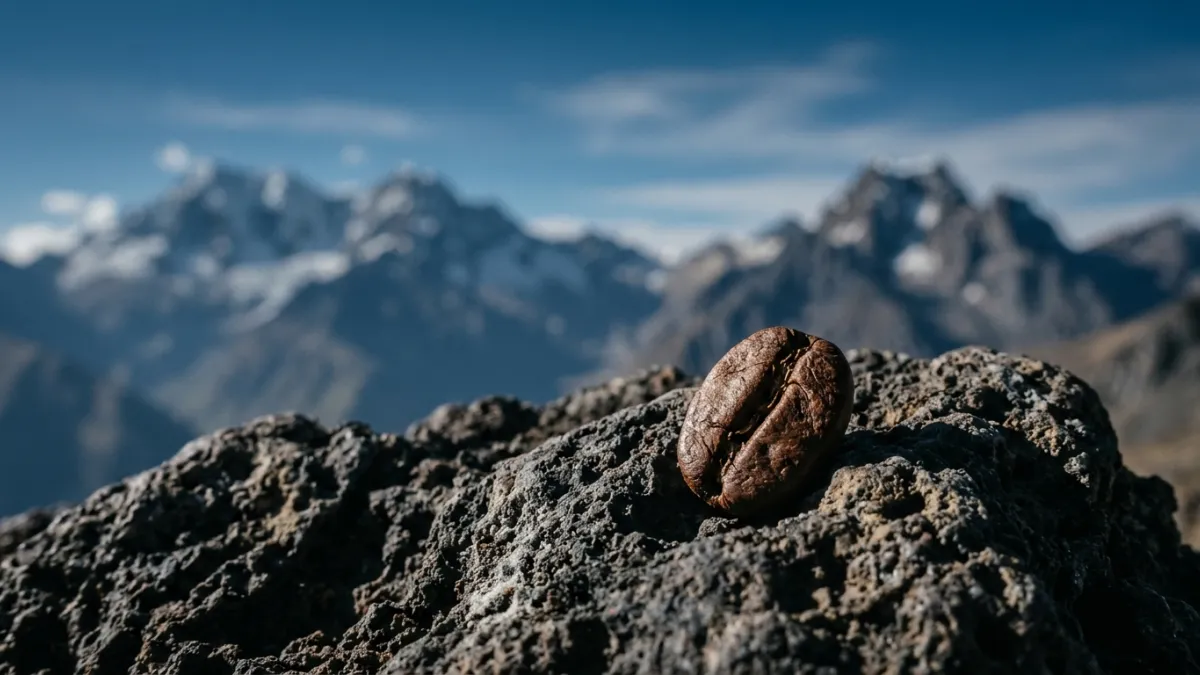
While there's no universally agreed-upon exact measurement, "high-altitude coffee" generally refers to beans grown above 1,200 meters (approximately 4,000 feet) above sea level. Some of the world's most prized coffees thrive at even greater heights, sometimes exceeding 2,500 meters (over 8,000 feet).
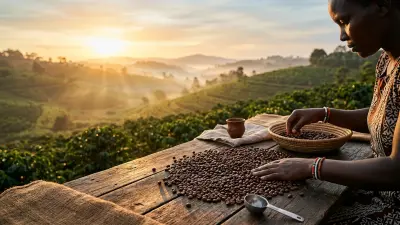
Regions renowned for their high-altitude coffee include parts of Ethiopia, Colombia, Guatemala, Kenya, Costa Rica, and Indonesia. These areas often feature mountainous terrain, volcanic soils, and distinct microclimates that contribute to the unique characteristics of their beans.
The Science Behind the Superior Flavor
The magic of altitude isn't just a myth; it's a symphony of environmental factors that work in harmony to shape the coffee bean's internal chemistry.
Slower Maturation Process
At higher elevations, temperatures are generally cooler, and there's often more cloud cover or mist, leading to less direct sunlight. This results in a significantly slower maturation process for the coffee cherries. Instead of rushing to ripen, the cherries have an extended period to develop, allowing for a more gradual and thorough accumulation of sugars and complex organic acids. Think of it like slow-cooking a meal – the flavors have more time to meld and deepen.
Denser Bean Structure
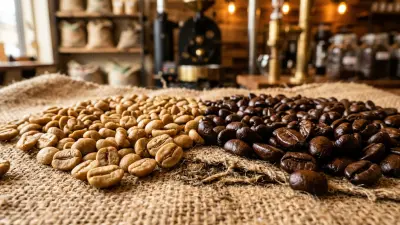
The slower growth cycle and cooler temperatures lead to the development of a denser, harder bean. These denser beans have a tighter cellular structure, which is highly beneficial for several reasons. During roasting, dense beans absorb heat more evenly, leading to a more consistent and predictable roast. In brewing, this density allows for better flavor extraction, yielding a cup with more body and a richer, more complex taste profile.
Enhanced Acidity and Complexity
One of the most defining characteristics of high-altitude coffee is its vibrant acidity. The slower maturation and cooler temperatures encourage the development of a broader spectrum of complex organic acids, such as citric, malic, and tartaric acids. This isn't the sourness you might associate with spoiled fruit, but rather a bright, clean, and refreshing quality that adds dimension and liveliness to the cup. It's often described as sparkling or wine-like.
Richer Aromatic Compounds
The extended development period at higher altitudes also allows for a greater concentration of volatile aromatic compounds within the bean. These compounds are responsible for the incredible array of aromas and flavors we perceive in coffee, from floral and fruity notes to chocolate and caramel. High-altitude beans often boast a more nuanced and intense aromatic profile, contributing to a truly captivating sensory experience.
Natural Pest and Disease Resistance
An additional benefit of high-altitude growing is a natural defense against common coffee pests and diseases, such as the coffee berry borer and coffee leaf rust. These threats often struggle to thrive in cooler, harsher high-elevation environments. This means healthier coffee plants, less need for chemical interventions, and ultimately, a purer, cleaner flavor in your cup.
The Flavor Profile: What to Expect
When you brew a specialty coffee grown at high altitudes, you can typically expect a cup that offers:
- Bright, Sparkling Acidity: Often reminiscent of citrus fruits, green apples, or fine wine.
- Complex Sweetness: Notes of caramel, honey, cane sugar, or even dark chocolate.
- Nuanced Aromas: A wide range of delicate floral (jasmine, bergamot), fruity (berry, stone fruit), or spicy notes.
- Fuller Body: A velvety, rich mouthfeel that coats the palate pleasantly.
- Clean Finish: A lingering, pleasant aftertaste without bitterness or astringency.
Beyond Altitude: A Holistic View
While altitude is undoubtedly a powerful factor, it's essential to remember that it's part of a larger ecosystem. The exceptional quality of specialty coffee is also influenced by:
- Varietal: Different coffee plant varieties (e.g., Typica, Gesha, Bourbon) have inherent flavor characteristics.
- Soil Composition: Volcanic soils, rich in minerals, impart unique qualities.
- Processing Method: Washed, natural, or honey processing dramatically alters the final cup profile.
- Microclimate: Specific rainfall, sun exposure, and wind patterns within a region.
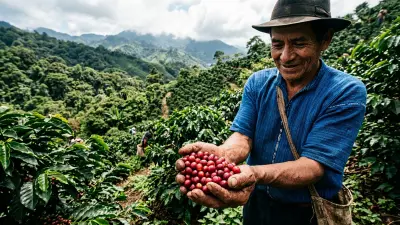
- Farmer Practices: The dedication and expertise of the farmers in cultivation, harvesting, and processing.
Bringing High-Altitude Coffee to Your Kitchen
To experience the magic yourself, look for origin information and elevation details on coffee packaging. Many specialty roasters proudly highlight these characteristics. When you find high-altitude beans, consider brewing them with methods that allow their delicate nuances to shine, such as a pour-over, AeroPress, or French press. These methods emphasize clarity and flavor separation, perfect for appreciating the complexity that altitude imparts.
Elevate Your Coffee Journey
Understanding the impact of altitude on coffee flavor deepens your appreciation for every cup. It transforms a simple beverage into a story of geography, climate, and meticulous cultivation. As you continue your journey with Coffee Brew Hub, we encourage you to explore the diverse world of high-altitude coffees and discover your next favorite brew. Your personal café awaits!