
Disclosure: As an Amazon Associate, we earn from qualifying purchases.
Yes, coffee subscriptions are worth it if you drink at least one cup of specialty coffee daily and value freshly roasted beans. On average, a quality coffee subscription costs between $16 and $24 per 12-ounce (340g) bag, including shipping. This breaks down to approximately $0.80 to $1.20 per 18-gram cup, compared to $4.00 to $6.00 for a similar pour-over or espresso drink at a local café. Beyond financial savings compared to café visits, subscriptions guarantee beans delivered within 3 to 7 days of roasting, guaranteeing peak flavor profiles that grocery store beans (often sitting on shelves for 3 to 6 months) cannot replicate.
Breaking Down the Costs: Subscriptions vs. Grocery vs. Cafés
To determine if a subscription fits your budget, evaluate the cost per cup and the quality tier across different purchase channels. A standard 12-ounce bag yields roughly 18 to 20 cups of coffee when using a standard 1:16 brew ratio (18g ground coffee to 288g water).
| Purchase Source | Avg. Price per Bag (12 oz) | Est. Cost per Cup (18g) | Roast Freshness Window | Quality Tier (SCA Score) |
|---|---|---|---|---|
| Grocery Store (Commercial) | $7.00 - $11.00 | $0.35 - $0.55 | 2 to 6 months post-roast | Below 80 (Commodity) |
| Grocery Store (Premium) | $12.00 - $16.00 | $0.60 - $0.80 | 1 to 3 months post-roast | 80 - 83 (Entry Specialty) |
| Coffee Subscription | $16.00 - $24.00 | $0.80 - $1.20 | 3 to 7 days post-roast | 84 - 90+ (Specialty/Micro-lot) |
| Local Specialty Café (Prepared) | N/A ($4.50/cup average) | $4.50 - $6.50 | Served immediately | 84 - 88 (Specialty) |
What You Actually Get for the Price
Paying $18 or $22 for a bag of coffee can feel steep if you are accustomed to $8 supermarket tins. However, subscription services bundle several tangible and structural advantages into their price point:
1. Peak Chemical Freshness and Degassing Control
Don't Let Expensive Subscription Beans Go Stale

coffee beans release carbon dioxide rapidly during the first 24 to 72 hours after roasting. specialty coffee reaches its optimal flavor clarity between day 7 and day 21 post-roast. Supermarket supply chains require months for distribution, meaning most store-bought coffee has already oxidized and lost its volatile aromatics. Subscriptions ship beans within 24 to 48 hours of roasting, ensuring they arrive exactly as degassing stabilizes.
2. Direct-Trade Sourcing and Higher Bean Grading
The specialty coffee association (SCA) rates coffee on a 100-point scale. Coffee scoring 80 points or higher is classified as specialty. Subscription platforms source beans scoring 84 to 90+ points, often through direct-trade relationships that pay farmers well above the fair-trade baseline pricing. Higher scores translate to distinct tasting notes—such as jasmine, bergamot, or stone fruit—without added flavorings.
3. Algorithmic and Expert Curation
Multi-roaster aggregators (such as Trade Coffee or MistoBox) match your taste preferences—acidity level, roast profile, process method (washed, natural, honey), and brew apparatus—to independent roasters across the country. This eliminates trial-and-error spending on origins you may not enjoy.
Types of Coffee Subscriptions Compared
Not all subscription services function the same way. Understanding the business model helps you select the right value tier for your kitchen setup:
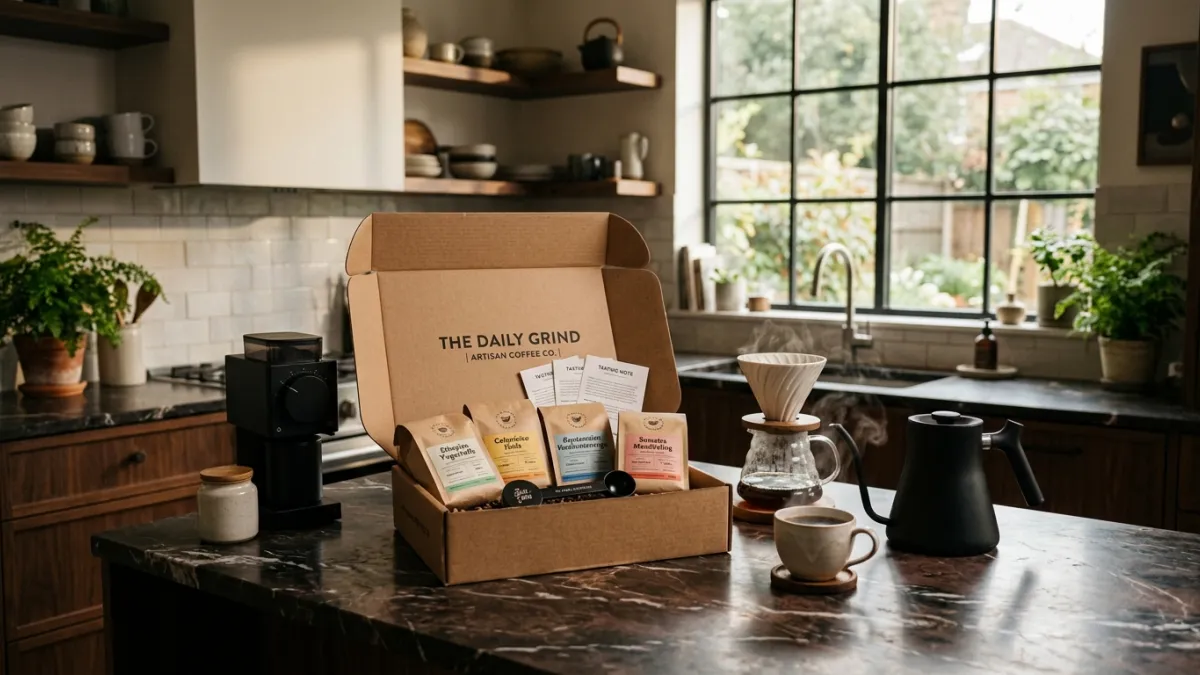
Not Ready for a Monthly Commitment? Try a Sampler Box First

- Single-Roaster Subscriptions: Managed directly by established roasters (e.g., Onyx Coffee Lab, Counter Culture, Blue Bottle). Best for: Brand loyalists who want consistent house blends or curated seasonal single-origins from one master roaster.
- Aggregator / Multi-Roaster Platforms: Services acting as a marketplace connecting home baristas to dozens of craft roasters nationwide. Best for: Explorers seeking variety across different roasting styles, regions, and processing techniques.
- Exclusive Micro-Lot Drop Services: Text-message or limited-release subscriptions (e.g., Fellow Drops) offering rare, small-batch releases. Best for: Experienced home baristas equipped with precision grinders and pour-over gear looking for competitive or rare coffees.
When a Coffee Subscription Is NOT Worth It
While coffee subscriptions offer high value for enthusiasts, they are not economically sensible for every consumer. A subscription may not be worth your investment if:
- You drink coffee with heavy milk, creamers, or flavored syrups: The nuanced floral and fruity notes of an $22 light-roast micro-lot are masked by dairy and sugar. High-quality commercial dark roasters are sufficient for milk-based beverages.
- You consume less than one bag per month: Whole beans begin losing structural freshness after 30 to 45 days. Low-frequency drinkers risk having expensive beans go stale before finishing the bag.
- You rely on pre-ground coffee without a sealed storage system: Ground coffee oxidizes within 20 minutes of exposure to air. Subscribing to pre-ground specialty coffee negates much of the freshness benefit unless consumed extremely fast.
Frequently Asked Questions
How many cups of coffee do I get out of a standard subscription bag?
Why Fresh Beans Are Useless Without a Burr Grinder

A standard 12-ounce bag contains 340 grams of whole coffee beans. Using a industry-standard specialty brewing ratio of 1:16 (18 grams of coffee per 288 ml cup), one bag produces approximately 18 to 19 cups of brewed coffee.
Can I pause or skip deliveries if I go on vacation?
Yes. Almost all major specialty coffee subscription platforms allow subscribers to pause, alter delivery frequencies (e.g., every 1, 2, 3, or 4 weeks), or skip individual shipments through their online account dashboards without financial penalties.
Is shipping always included in the subscription price?
It depends on the platform. Some services build flat-rate or free shipping into their tier prices, while others charge a standardized shipping fee ranging from $2.00 to $5.00 per bag. Always check whether shipping is inclusive when calculating your cost per cup.
Sources
Looking for the Right Brewing Gear?
Check out our verified Top Coffee Brewing Essentials on Amazon.
As an Amazon Associate, we earn from qualifying purchases.