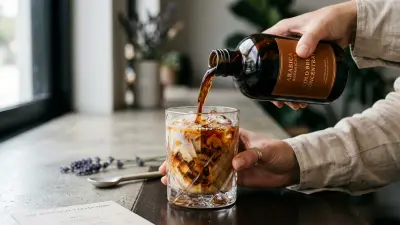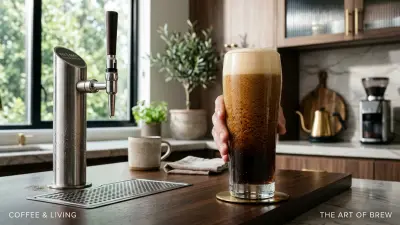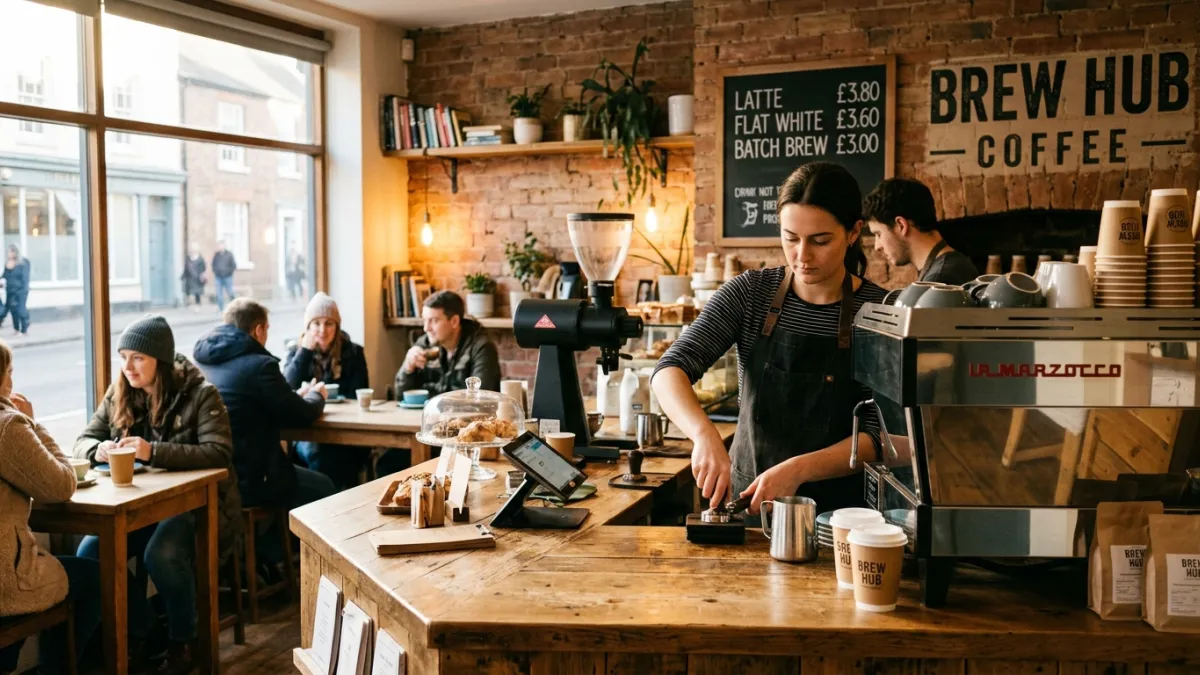
Building an efficient home coffee brew hub requires three fundamental elements: a precise water-to-coffee brewing ratio (typically 1:15 to 1:17 for drip, or 1:8 for cold brew concentrate), consistent grind size control, and a steady supply of freshly roasted beans through options like the best cold brew coffee subscription. Establishing a dedicated setup allows you to master multiple extraction styles—from rich pour-overs to smooth, low-acidity cold brews—while saving money compared to daily cafe purchases.
Core Extraction Science to Brew Coffee at Home
To brew coffee consistently at a professional standard, you must control four key variables: extraction ratio, grind size, water temperature, and brew time. When extracting coffee, hot water dissolves soluble compounds out of the roasted grounds. Standard drip and pour-over methods aim for an extraction yield between 18% and 22%, which produces a balanced flavor profile without sour under-extraction or bitter over-extraction.
For cold extraction, the physics change significantly. Because cold water dissolves flavor compounds much more slowly than hot water (which idealizes between 195°F and 205°F), cold extractions require extended steep times ranging from 12 to 24 hours. Cold brewing minimizes the extraction of harsh chlorogenic acids and organic oils, yielding a smooth, naturally sweet beverage with up to 60% less perceptible acidity than traditional hot brewing.
| Brewing Method | Coffee-to-Water Ratio | Grind Size | Brew Time / Temp |
|---|---|---|---|
| Pour-Over (V60 / Chemex) | 1:15 – 1:16 | Medium-Fine to Medium | 3.5 – 4 mins @ 200°F |
| French Press | 1:12 – 1:14 | Coarse | 4 mins @ 200°F |
| Cold Brew Concentrate | 1:5 – 1:8 | Extra Coarse | 16 – 24 hrs @ room temp / cold |
| Ready-to-Drink Cold Brew | 1:12 – 1:15 | Coarse | 12 – 16 hrs @ cold |
Setting Up Your Kitchen Coffee Brew Hub
Organizing a dedicated brewhub coffee corner streamlines your morning routine and elevates drink quality. A practical kitchen coffee hub requires essential gear that balances functional layout with precision tools:
- Conical Burr Grinder: Essential for uniform particle distribution. Blade grinders slice coffee unevenly, causing simultaneous over-extraction and under-extraction.
- Digital Gram Scale: Volumetric measurement (using scoops or spoons) introduces up to 30% variation in mass depending on roast density. A scale measuring to 0.1g ensures repeatability.
- Temperature-Controlled Kettle: Maintains exact target temperatures for various roast levels (light roasts benefit from 203°F–208°F water, whereas dark roasts taste better around 195°F–200°F).
- Cold Brew Infuser or Glass Steeping Vessel: A dedicated 1-liter to 2-liter mason jar or immersion brewer featuring a fine stainless steel mesh filter.
Selecting the Best Cold Brew Coffee Subscription
Maintaining a steady supply of beans optimized for cold extraction is effortless with a specialized subscription. Cold brewing favors beans with bold chocolate, nutty, or berry notes, as delicate floral nuances are often muted during cold immersion. Industry reviews highlight top choices across different preferences:
1. Trade Coffee Subscription
Trade acts as a curation service partnering with over 55 specialty craft roasters across the United States. Their dedicated cold brew subscription matches drinkers based on a preference quiz and delivers freshly roasted whole beans or pre-ground coffee customized specifically for cold extraction. Prices typically start around $16.99 per bag with flexible delivery frequencies.
2. Atlas Coffee Club
Ideal for enthusiasts seeking single-origin variety, Atlas Coffee Club curates beans from distinct global coffee regions (such as Ethiopia, Colombia, or Indonesia) each month. Their medium and dark roast options make rich cold brew concentrate with distinct regional tasting profiles. Subscriptions start around $13.25 per 12oz bag.
3. Grady's Cold Brew
For convenience-focused home baristas, Grady's offers New Orleans-style bean-and-chicory pouch subscriptions. Their pre-portioned pour-and-steep mesh bags remove all measuring steps—simply submerge the filter bag in water for 12 to 24 hours, discard the bag, and enjoy concentrated cold brew.
4. Cometeer Frozen Concentrate Pods
Cometeer uses proprietary flash-freezing technology to preserve liquid coffee extracts roasted by top national roasters. Subscribing to frozen pods allows you to make instant, cafe-quality cold coffee simply by melting a pod into cold water or milk over ice.
Step-by-Step Guide: Brewing Cold Coffee Concentrate
Follow this standard recipe to prepare smooth, intense cold brew concentrate using your home equipment:
- Weigh out your beans: Measure 100 grams of whole bean coffee on your digital scale.
- Grind coarse: Set your burr grinder to its coarsest setting. The grounds should resemble coarse sea salt or raw sugar granules to ensure easy filtration and clean flavor.
- Combine coffee and water: Place the grounds into your steeping container and pour 600 grams (600 ml) of filtered, room-temperature water over them (a 1:6 concentrate ratio).
- Saturate evenly: Gently stir with a wooden or silicone spoon to ensure all grounds are thoroughly saturated. Do not agitation-blend aggressively.
- Steep: Seal the vessel and let it steep at room temperature for 16 hours or in the refrigerator for 20 to 24 hours.
- Filter and store: Strain the liquid through your mesh filter, followed by a secondary pass through a paper coffee filter or cheesecloth to remove fine sediment. Transfer the clear liquid concentrate to a sealed glass carafe and store it in the refrigerator for up to 14 days.
- Serve: Dilute the concentrate 1:1 with cold water, milk, or oat milk, and pour over fresh ice cubes.
Troubleshooting Common Extraction Flaws
If your homemade coffee brew lacks clarity or balance, small adjustments to your technique will resolve the issue quickly:
- Sour or Thin Flavor: Indicates under-extraction. Increase your steeping time by 2 to 4 hours or refine the grind setting slightly finer.
- Harsh, Bitter, or Astringent Notes: Indicates over-extraction. Reduce steep time, use a coarser grind, or lower water steep temperature.
- Cloudy Beverage with Muddy Mouthfeel: Resulting from fine particle bypass. Switch to a quality burr grinder and perform a secondary filtration through paper filters after steeping.
Frequently Asked Questions
How long does homemade cold brew coffee stay fresh?
Undiluted cold brew concentrate sealed in an airtight glass container keeps fresh in the refrigerator for up to 10 to 14 days without noticeable flavor degradation. Once diluted with water or milk, consume it within 48 hours for optimal taste.
What is the ideal coffee-to-water ratio for cold brew?
For concentrated cold brew intended to be diluted over ice or mixed with milk, use a 1:5 to 1:8 coffee-to-water ratio by weight (e.g., 100g coffee to 600g water). For ready-to-drink cold brew that requires no dilution, use a lighter 1:12 to 1:15 ratio.
Is cold brew stronger in caffeine than regular hot drip coffee?
Cold brew concentrate contains higher caffeine density per ounce than drip coffee due to the steep brew ratio. However, once diluted 1:1 with water or milk, a standard serving typically delivers a similar overall caffeine content (around 150–200mg per 12oz glass) to a regular cup of hot drip coffee.