Unlock Flavor: Understanding Coffee Bloom and Why It Matters
Hey there, fellow coffee enthusiast! If you've ever watched a barista pour hot water over fresh coffee grounds and noticed them puff up and bubble, you've witnessed what we call the "coffee bloom." It's a beautiful, almost magical moment in the brewing process, but it's far more than just a pretty sight. The bloom is a critical step that can dramatically impact the flavor of your final cup. Let's dive into what coffee bloom is, why it's so important, and how you can master it.
What Exactly is Coffee Bloom?
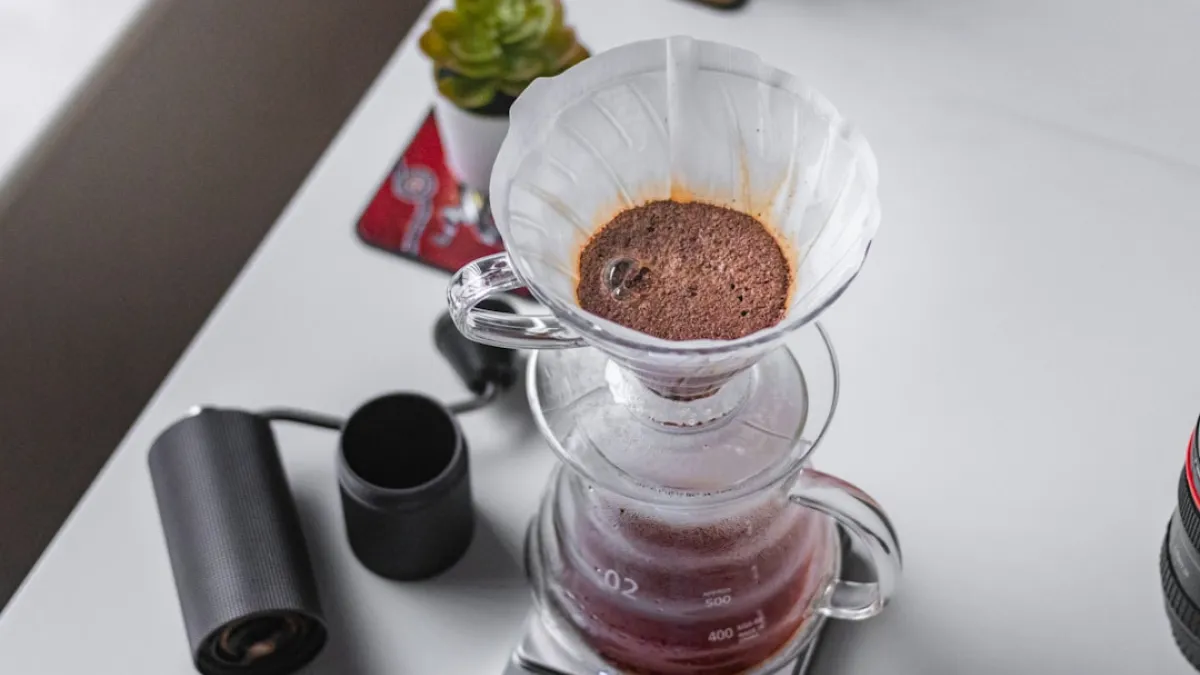
Simply put, coffee bloom is the rapid expansion and bubbling of freshly ground coffee when it first comes into contact with hot water. Imagine your coffee grounds coming alive, puffing up like a tiny, aromatic volcano. This isn't just a random reaction; it's a clear sign of freshness and a crucial chemical process at play.
What Causes Coffee Bloom?
The primary culprit (in a good way!) behind the bloom is carbon dioxide (CO2). During the roasting process, coffee beans undergo complex chemical changes that produce gases, with CO2 being the most significant. This CO2 gets trapped within the porous structure of the bean. When you grind the coffee, you break open these structures, and even more gas begins to escape. When hot water hits those fresh grounds, it accelerates the release of this trapped CO2 in a process called degassing. The bubbles you see are literally the CO2 escaping.
Why is Coffee Bloom Important for My Coffee?
This is where the bloom moves from an interesting phenomenon to an essential brewing technique. The release of CO2 is vital for even extraction. Here's why:
- Prevents Uneven Extraction: CO2 is hydrophobic, meaning it repels water. If you were to immediately pour all your brewing water over grounds full of trapped CO2, the water wouldn't be able to fully penetrate and saturate all the coffee particles evenly. Some areas would be over-extracted, leading to bitterness, while others would be under-extracted, resulting in sourness or a watery taste.
- Allows for Better Saturation: By allowing the coffee to bloom, you give the CO2 time to escape. This allows the subsequent brewing water to uniformly saturate all the coffee grounds, dissolving the desirable compounds (sugars, acids, oils) that contribute to coffee's rich flavor and aroma.
- Enhances Flavor: The result of even extraction is a cleaner, sweeter, and more balanced cup of coffee. You'll taste the nuanced flavors of your chosen beans much more clearly.
How Do I Perform a Coffee Bloom? (A Step-by-Step Guide)
Blooming is incredibly simple and adds only a few seconds to your brewing routine, but the payoff is huge. This method applies primarily to manual pour-over methods like Chemex, Hario V60, or even French Press.
- Grind Your Coffee: Always grind your beans fresh, just before brewing, for optimal flavor and bloom potential.
- Prepare Your Setup: Place your filter (if using) in your brewer and rinse it with hot water to remove any paper taste and preheat your equipment. Discard the rinse water.
- Add Coffee Grounds: Pour your freshly ground coffee into the brewer, gently shaking to level the bed.
- The Bloom Pour: Start a timer. Gently pour a small amount of hot water (ideally between 195-205°F or 90-96°C) evenly over all the coffee grounds. You only need enough water to fully saturate the grounds – typically 2 to 3 times the weight of your coffee. For example, if you're brewing with 20 grams of coffee, use 40-60 grams of water. A kitchen scale is invaluable here for precision!
- Observe and Wait: Watch as the coffee grounds expand, bubble, and "puff up." This is the bloom in action. Let it sit undisturbed for 30 to 45 seconds. For very fresh coffee (roasted within the last few days), you might even extend this to 60 seconds.
- Continue Brewing: Once the bloom is complete, proceed with your regular pouring method for your chosen brew device.
Does Bloom Apply to All Brewing Methods?
While most noticeable and impactful in manual pour-over brewing, the principle of degassing affects various methods:
- Pour-Over (V60, Chemex, Kalita Wave): Absolutely essential. It's an integrated and critical step for optimal flavor.
- French Press: Yes! After adding your grounds and initial hot water, stir gently to ensure all grounds are saturated, then let it sit for 30-60 seconds before adding the rest of your water and plunging.
- AeroPress: While some methods skip it, blooming with an AeroPress (especially using the inverted method) can improve extraction. Pour a small amount of water, stir briefly, wait 30 seconds, then add the rest.
- Automatic Drip Machines: Many modern machines have a pre-infusion cycle that mimics a bloom, but if yours doesn't, you can manually bloom by briefly pausing the machine after the initial water hits the grounds, then restarting.
- Espresso: While the bloom itself isn't a separate step, the pre-infusion phase on espresso machines serves a similar purpose, gently saturating the puck and allowing some CO2 to escape before full pressure is applied.
What If My Coffee Doesn't Bloom Much?
If your coffee grounds don't show much expansion or bubbling during the bloom phase, it's usually an indicator that your coffee isn't as fresh as it could be. As coffee ages, it naturally degasses over time. While you can still brew a perfectly drinkable cup, you might find the flavors less vibrant and the extraction more challenging. This is a great reminder to check the roast date on your beans and aim for coffee roasted within the last few weeks!
Are There Exceptions or Times When I Shouldn't Bloom?
For most home brewers seeking a balanced, delicious cup, blooming is almost always a beneficial step. There aren't really any scenarios where you shouldn't bloom, especially for manual methods. Some very advanced or experimental brewing techniques might intentionally omit it for a specific, often less-desirable, flavor profile, but for the vast majority of us, blooming is a simple, effective way to elevate our daily brew.
Embrace the Bloom for a Better Brew!
The coffee bloom is a beautiful testament to the science and art of brewing. By understanding what it is and why it matters, you're not just making coffee; you're actively engaging with the process to unlock the full potential of your beans. So next time you brew, take a moment to appreciate that wonderful puff and bubble – it's the first step towards a truly exceptional cup! Happy brewing!