Mastering the Bloom: The Secret to Exceptional Pour Over Coffee
Ever wondered why some pour over coffees taste incredibly vibrant and balanced, while others fall flat? Often, the secret lies in a crucial, yet frequently overlooked, step: the bloom. As your trusted barista friend, I'm here to guide you through mastering this technique, transforming your daily brew from good to truly great.
What Exactly is the Bloom and Why Does It Matter?
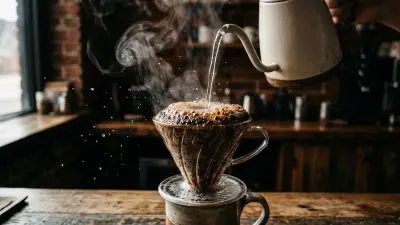
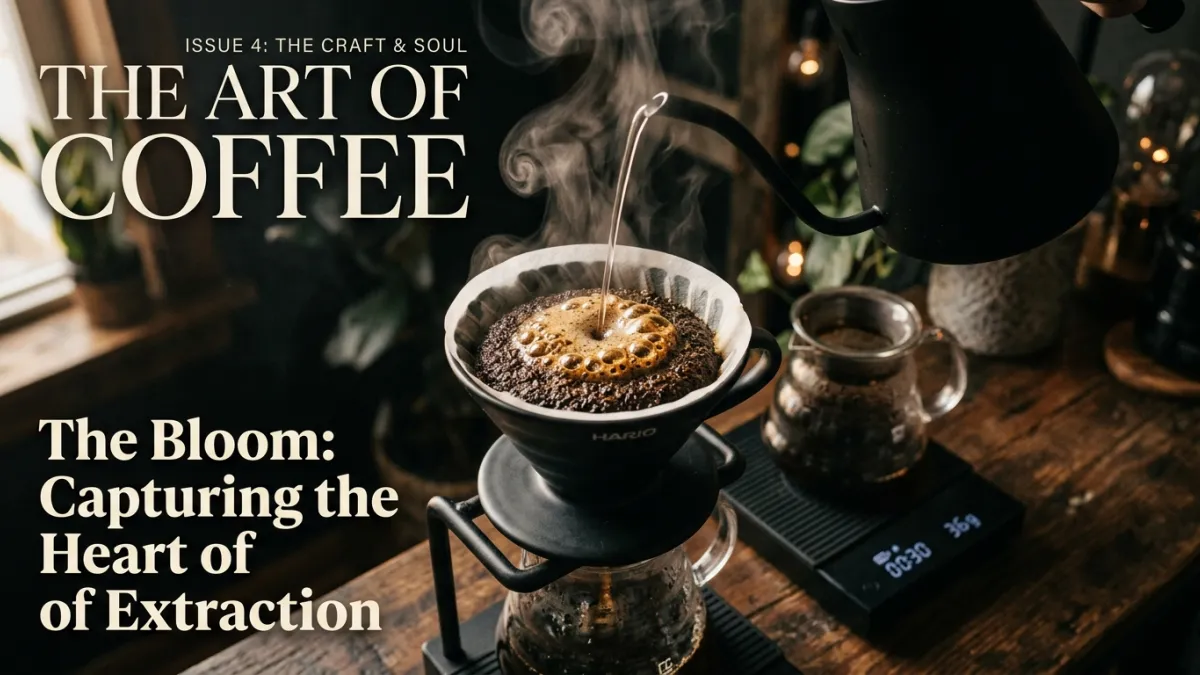
In the simplest terms, the bloom is the initial pour of hot water over your freshly ground coffee. You'll notice the grounds expanding, rising, and bubbling—this is the magic happening! But what's really going on?
When coffee beans are roasted, they trap a significant amount of carbon dioxide (CO2) inside. After grinding, this CO2 begins to escape, especially when it comes into contact with hot water. This release of gas is what we call "off-gassing," and it's absolutely vital for proper extraction.
Why is it so important? If you start pouring your main brew water immediately without blooming, the escaping CO2 can repel the water, creating channels and uneven saturation within your coffee bed. This leads to inconsistent extraction—some particles getting over-extracted (bitter flavors) and others under-extracted (sour, weak flavors). The bloom allows most of this gas to escape, creating a more permeable and ready-to-extract coffee bed, ensuring an even and delicious brew.
The Essentials: Equipment for the Perfect Bloom
Before we dive into the steps, let's ensure you have the right tools. Good equipment makes the process much more consistent:
- Freshly Roasted Coffee Beans: Crucial for a visible bloom. Look for a roast date, ideally within 2-3 weeks.
- Burr Grinder: A consistent grind is key. Blade grinders create uneven particles.
- Pour Over Dripper & Filter: Your chosen brew method (e.g., Hario V60, Kalita Wave, Chemex).
- gooseneck kettle: For precise water control.
- Digital Scale: Essential for accurate coffee and water measurements.
- Timer: To track your bloom and overall brew time.
- Hot Water: Filtered water is always best.
Step-by-Step: How to Master Your Pour Over Bloom
Let's get brewing! For this guide, we'll assume a common ratio of 1:16 (1 gram of coffee to 16 grams of water). For a 20g coffee dose, this means 320g of total water.
- Grind Your Coffee:
Use a medium-fine grind, similar to table salt. Consistency is paramount. Grind just before brewing for maximum freshness and CO2 retention.
- Heat Your Water:
Bring your filtered water to the ideal brewing temperature, typically between 200-205°F (93-96°C). If you don't have a temperature-controlled kettle, boil water and let it sit for about 30-60 seconds off the boil.
- Prepare Your Dripper:
Place your filter in the dripper and rinse it thoroughly with hot water. This preheats your dripper and removes any papery taste from the filter. Discard the rinse water.
- Add Your Coffee Grounds:
Place your dripper on your mug or carafe, then onto your digital scale. Add your ground coffee (e.g., 20g) and gently shake or tap the dripper to create a flat, even bed.
- The Bloom Pour:
- Amount: Pour approximately 2-3 times the weight of your coffee in water. For 20g of coffee, that's 40-60g of water.
- Technique: Start your timer as you begin pouring. Use your gooseneck kettle to gently and slowly pour the water in a controlled spiral motion, ensuring all the grounds are evenly saturated. Avoid pouring directly down the sides of the filter.
- Observation: Watch the coffee bed expand and bubble. This is the CO2 escaping! The fresher the coffee, the more pronounced the bloom will be.
- Timing: Allow the bloom to sit undisturbed for 30-45 seconds. For very fresh coffee (within a week or two of roasting), you might extend this to 45-60 seconds to allow for more complete off-gassing.
- Continue Brewing:
Once the bloom is complete, proceed with your main pour over brewing method. You've set the stage for a beautifully extracted cup!
Troubleshooting Common Bloom Issues
- No Bloom or Weak Bloom: This usually indicates stale coffee. If your beans are older than 4-6 weeks post-roast, much of the CO2 has already escaped. A grind that's too coarse can also lead to a weak bloom as water passes through too quickly.
- Bloom Too Aggressive/Fast: Your water might be too hot, or you might be pouring too much water too quickly. Try lowering your water temperature slightly or being more gentle with your pour.
Pro Tips for a Better Bloom
- Coffee Freshness is King: Always use freshly roasted and freshly ground beans. This is the single biggest factor for a good bloom.
- Water Quality Matters: Good filtered water will always yield a cleaner taste and contribute to better extraction.
- Grind Consistency: Invest in a good burr grinder. Uneven grinds lead to uneven extraction, regardless of your bloom technique.
- Practice Makes Perfect: Don't get discouraged if your first few blooms aren't perfect. Pay attention to how different variables affect it, and you'll quickly get the hang of it.
Mastering the bloom is a fundamental step in elevating your pour over coffee experience. It’s a moment of connection with your coffee, allowing you to appreciate the science and art behind a truly great cup. Take the time, observe the magic, and enjoy the richer, more nuanced flavors that follow. Happy brewing from your friends at coffee brew hub!