Unlocking the Bright, Sweet Potential of Light Roast Coffee
Hey coffee lovers! If you've ever picked up a bag of beautifully roasted light roast beans, you know the promise they hold: bright acidity, delicate floral notes, and a nuanced sweetness that can be truly captivating. But let's be honest, light roasts can also be a bit finicky. Too often, they end up tasting sour or underwhelming, leaving you wondering if you're doing something wrong.
Fear not, my friends! As your trusty barista friend, I'm here to tell you that brewing exceptional light roast coffee at home is absolutely achievable. It just requires a slightly different approach than your typical medium or dark roast. In this guide, we'll dive deep into the specific techniques that will help you extract every last drop of deliciousness, transforming those potentially sour sips into a symphony of flavor and sweetness.
Why Light Roasts Are Different (And How to Embrace It)
light roast beans are less developed than their darker counterparts. This means they retain more of their original bean density, moisture, and, crucially, their natural acids and complex sugars. These are the very components that give light roasts their vibrant character, but they also require more energy (read: heat and time) to extract properly. Under-extraction is the enemy of light roasts, leading to that unpleasant sour, grassy, or watery taste. Our goal is to ensure full, even extraction to bring out their inherent sweetness and intricate flavors.
The Core Principles for Brilliant Light Roast Brewing
Before we get to the step-by-step, let's lay down the foundational rules for brewing light roasts:
- Grind Finer, Not Coarser: To compensate for bean density and ensure maximum surface area for extraction, you'll generally want a finer grind than you might use for a medium roast. Think fine table salt.
- Hotter Water is Your Friend: Those dense bean cells need more heat energy to release their goodness. We're talking near-boiling temperatures.
- Adequate Brew Time: Don't rush it. Light roasts often benefit from a slightly longer contact time to fully develop their flavors.
- The Power of the Bloom: A proper bloom is critical for degassing and preparing the coffee bed for even extraction, especially with fresh light roasts.
Your Step-by-Step Guide: Brewing a Perfect Light Roast Pour Over
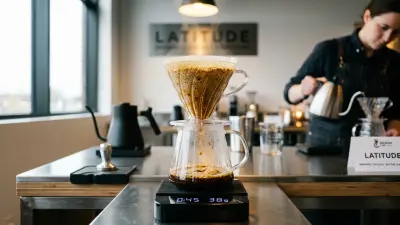
For this guide, we'll focus on the pour-over method (like a Hario V60 or Kalita Wave) as it offers excellent control over extraction, which is key for light roasts.
Equipment Checklist:
- Fresh Light Roast Beans: Look for beans roasted within 2-4 weeks. Origins like Ethiopian Yirgacheffe or Kenyan often shine as light roasts.
- Burr Grinder: (e.g., Baratza Encore, Comandante C40) for consistent particle size.
- Gooseneck Kettle: (e.g., Fellow Stagg EKG, Hario Buono) for precise pouring.
- Digital Scale with Timer: (e.g., Acaia Pearl, Hario V60 Scale) essential for accuracy.
- Pour Over Brewer: (e.g., Hario V60-02, Kalita Wave 185) with appropriate paper filters.
- Server or Mug
The Brewing Process (Ratio: 1:16.5)
We'll use a slightly tighter ratio than some standard recipes to ensure enough concentration for light roasts. For a typical mug, we'll aim for 330g of brewed coffee.
- Weigh Your Beans: Measure 20 grams of your light roast coffee beans.
- Heat Your Water: Heat filtered water to 205-210°F (96-99°C). Yes, that hot! If your kettle doesn't have temperature control, bring it to a rolling boil and let it sit for about 10-15 seconds.
- Grind Your Coffee: Grind your 20g of beans to a fine-medium consistency. It should look like fine table salt, finer than what you might use for a medium roast but not as fine as espresso. Adjust this based on your grinder and results.
- Prepare Your Brewer: Place your filter in the pour-over cone and rinse it thoroughly with hot water (from your kettle). This removes paper taste and preheats your brewing vessel. Discard the rinse water.
- Add Coffee and Tare: Place your ground coffee into the filter, gently shaking to create a flat bed. Place the brewer on your scale and tare it to zero.
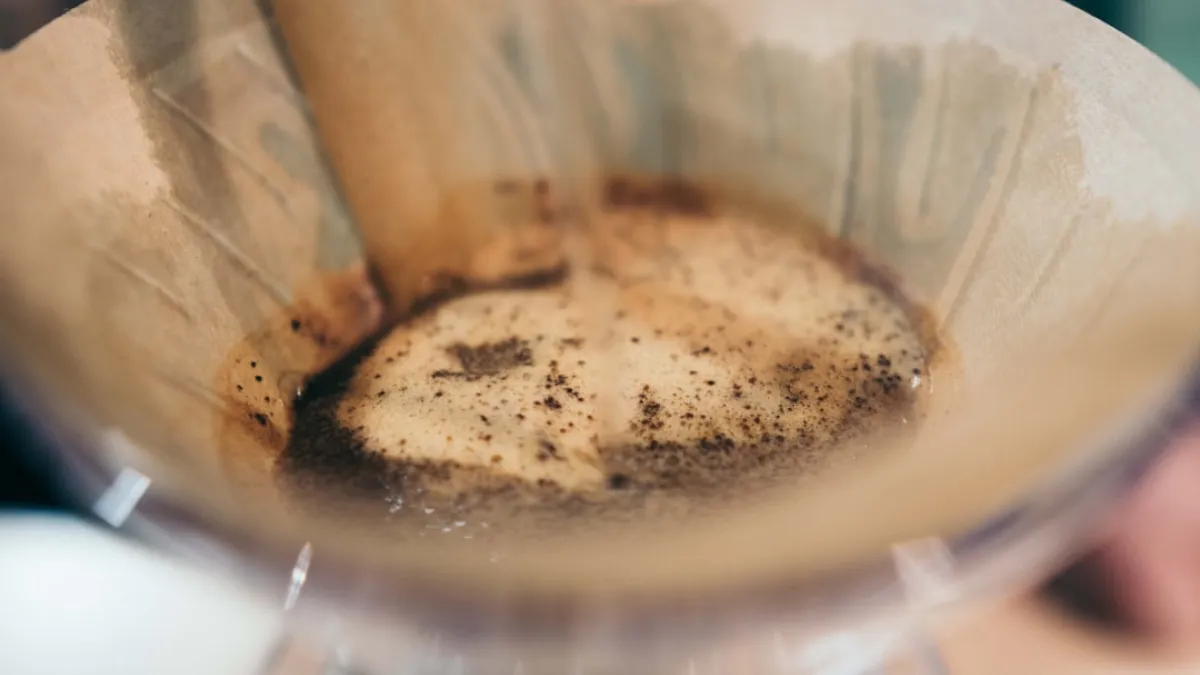
- The Bloom (0:00 - 0:45): Start your timer. Pour 40-45 grams of hot water evenly over the coffee bed, ensuring all grounds are saturated. Give the brewer a gentle swirl to ensure even saturation. Let it sit and "bloom" for 45 seconds. This allows CO2 to escape and prepares the coffee for optimal extraction.
- First Pour (0:45 - 1:30): Begin pouring in a slow, controlled spiral from the center outwards, then back in. Pour until your scale reads 150 grams total (110g added in this pour). Aim to finish this pour around 1:00-1:15.
- Second Pour (1:30 - 2:15): Once the water level drops and the coffee bed is mostly exposed, begin your second pour, again in a spiral pattern. Pour until your scale reads 250 grams total (100g added).
- Final Pour (2:15 - 3:00): For your last pour, continue with the spiral motion until your scale reads a total of 330 grams. Try to complete this pour by 2:45-3:00.
- Drawdown and Serve: Allow the remaining water to fully drain through the coffee bed. Your total brew time should ideally be between 3:15 and 3:45. If it's much faster, try grinding finer; if much slower, grind coarser.
Troubleshooting Common Light Roast Issues
- Sour/Under-extracted: This is the most common issue. Your coffee tastes like lemon juice, sometimes grassy or thin. Solution: Grind finer, use hotter water (ensure it stays hot throughout the brew), increase your brew time, or increase agitation during pouring.
- Bitter/Over-extracted: Less common with light roasts, but possible. Tastes harsh, dry, or astringent. Solution: Grind slightly coarser, reduce water temperature a touch, or slightly shorten brew time.
- Lack of Clarity/Muddiness: If your cup isn't as clean as you'd like, check your grind consistency (a good burr grinder is crucial) and your pouring technique. Ensure your pours are even and gentle.
Embrace the Journey of Experimentation!
Brewing light roast coffee is a rewarding journey. Each bean is unique, and while these guidelines provide an excellent starting point, don't be afraid to experiment! Keep a brewing journal, note your grind settings, water temperature, brew times, and tasting notes. You'll quickly discover the sweet spot for your favorite light roasts.
With these techniques, you'll soon be consistently brewing light roast coffee that bursts with vibrant acidity, complex flavors, and a delightful, lingering sweetness. Enjoy the process, and happy brewing!