Unlock the Sweetness: How to Brew Light Roast Coffee Perfectly
Hey there, fellow coffee adventurer! If you've ever been captivated by the bright, fruity, and floral notes in a specialty coffee shop's brew, chances are you were enjoying a beautifully crafted light roast. These coffees are a true delight, offering a spectrum of flavors far beyond what many expect from coffee. But let's be honest: brewing them at home can feel a bit like cracking a secret code. They’re notorious for being tricky to extract properly, often leading to sour, weak, or underdeveloped cups.
Fear not! As your trusted barista friend, I’m here to guide you through the art and science of brewing Light roast coffee for maximum flavor extraction and sweetness. With a few key adjustments and a sprinkle of patience, you’ll be pulling out those vibrant, complex notes like a pro.
The Unique Challenge of Light Roasts
Why are light roasts different? It comes down to density and development. Lightly roasted beans are often denser and less porous than their darker counterparts. The roasting process for these beans is designed to highlight their intrinsic origin characteristics – think delicate acidity, bright fruit, and nuanced sweetness – rather than the roasty flavors. This means the sugars and complex acids within the bean are less developed and harder to coax out. They require more energy (read: heat!) and a more precise approach to unlock their full potential.
Essential Tools for Light Roast Success
Before we dive into the steps, let's make sure you're geared up. Quality equipment makes a noticeable difference, especially with light roasts.
- Digital Scale: Absolutely non-negotiable for consistent ratios.
- Quality Burr Grinder: A consistent grind is paramount. Options like the Baratza Encore ESP or a hand grinder like the Comandante C40 are excellent.
- Gooseneck Kettle: For precise water pouring. Electric options like the Fellow Stagg EKG are fantastic for temperature control.
- Pour Over Brewer: A Hario V60 or Kalita Wave are great choices for their ability to promote even extraction.
- Fresh, Clean Water: Filtered water is a must. The right mineral content can actually enhance flavor – don't underestimate it!
- Thermometer: (Optional but highly recommended) To ensure you hit that sweet spot for water temperature.
Your Step-by-Step Guide to Flavorful Light Roast
We'll focus on the pour-over method as it offers excellent control over extraction. Let's get brewing!
1. Start with Top-Tier Beans & Water
Choose freshly roasted light roast beans (ideally 2-4 weeks off roast date). For water, use filtered water that tastes good on its own. Avoid distilled water, as it lacks the minerals needed for good extraction, and overly hard water, which can mute flavors.
2. Grind Finer, Not Coarser
This is often the biggest game-changer for light roasts. Because they are denser, a finer grind increases the surface area exposed to water, allowing for more efficient extraction. Aim for a grind size that’s finer than what you’d typically use for a medium roast – think somewhere between table salt and fine sand. If you're getting sourness, grind finer.
3. Heat Water Hotter (but not boiling!)
Light roasts need more energy to extract properly. Target a water temperature between 205-210°F (96-99°C). If you don't have a thermometer, bring your kettle to a boil and let it sit for about 30 seconds before pouring.
4. The Golden Ratio: 1:15 or 1:16
This means for every 1 gram of coffee, you'll use 15 or 16 grams of water. For a single serving, I recommend starting with 20 grams of coffee to 300-320 grams of water. This precision ensures consistency.
5. The Pour Over Method (A Recommended Approach)
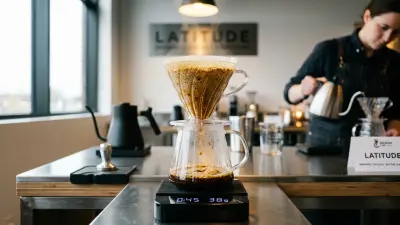
- Prep Your Station: Boil your water. Weigh your whole beans, then grind them just before brewing. Place your brewer on your mug or carafe, insert a paper filter, and rinse it thoroughly with hot water to remove any paper taste and pre-heat your vessel. Discard the rinse water.
- Add Coffee & Tare: Add your ground coffee to the filter, gently shake to level the bed, and tare your scale to zero.
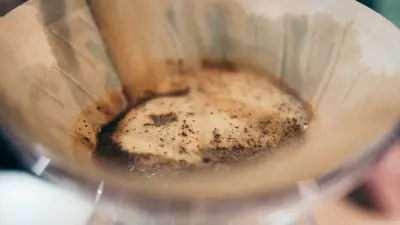
- The Bloom (Crucial!): This is vital for light roasts. Start your timer. Pour about twice the weight of your coffee in water (e.g., 40g water for 20g coffee) evenly over the grounds. Swirl the brewer gently to ensure all grounds are saturated. Let it sit for 30-45 seconds. This allows CO2 to escape, preventing uneven extraction and unlocking deeper flavors.
- First Pour: After the bloom, begin your first main pour. Pour slowly and steadily in a circular motion, from the center outwards, avoiding pouring directly onto the filter paper. Aim to bring the total weight on your scale to about 60% of your total water (e.g., 180-192g for a 300-320g total brew). Do this over about 30-45 seconds.
- Second Pour: Once the water level has dropped a bit (around the 1:30-1:45 minute mark on your timer), begin your second pour. Continue pouring slowly and evenly until you reach your target total water weight (e.g., 300-320g). Maintain a consistent water level in the bed of coffee.
- The Drawdown: Let the coffee fully drain through the filter. Your total brew time, from the start of the bloom to the last drip, should ideally be between 3:00 and 3:45 minutes for this recipe.
Troubleshooting Your Light Roast Brew
Even with the best advice, every coffee and setup is unique. Here’s how to adjust:
If it tastes Sour/Weak (Under-extracted)
- Grind Finer: This is the most common fix.
- Increase Water Temperature: A few degrees hotter can make a difference.
- Extend Brew Time: Ensure your total drawdown is within the target range.
- More Agitation: A slightly more aggressive bloom swirl or pour can help.
If it tastes Bitter/Hollow (Over-extracted)
- Grind Coarser: If it's too bitter, you're extracting too much.
- Slightly Lower Water Temperature: Try 200-205°F (93-96°C).
- Shorten Brew Time: If your drawdown is taking too long.
Embrace the Experimentation!
Brewing light roast coffee is a journey of discovery. Don't be afraid to experiment with grind settings and pour techniques. Keep a small notebook to jot down your recipes and results. Each adjustment can unlock new dimensions of flavor in your cup. With these tips from Coffee Brew Hub, you're well on your way to enjoying beautifully extracted, sweet, and vibrant Light roast coffee every single time. Happy brewing!