Quick answer: Bad coffee is usually caused by improper extraction, incorrect grind size, or off-target water temperature. Sour coffee indicates under-extraction (grind too coarse or short brew time), bitter coffee stems from over-extraction (grind too fine or boiled water), and weak coffee results from an inadequate coffee-to-water ratio or insufficient extraction time.
Understanding Extraction: The Chemistry Behind Good Flavor
To diagnose why your morning cup tastes subpar, you must first understand what happens when hot water meets ground coffee. Extraction is the chemical process where water dissolves flavor compounds, organic acids, sugars, and plant fibers from ground roasted beans. According to the specialty coffee association (SCA), an ideal cup falls within a Gold Cup Standard of 18% to 22% extraction yield, balanced by a total dissolved solids (TDS) concentration between 1.15% and 1.35%. Achieving this sweet spot yields an intricate balance of natural sweetness, crisp acidity, and rich aromatics.
When extraction deviates from this target range, distinct flavor defects emerge that immediately signal what went wrong. Soluble compounds extract in a predictable sequence: organic acids and bright notes dissolve first, followed by sweet carbohydrates and lipids, and finally, heavy bitter plant material and astringent tannins extract last. If water passes through the grounds too quickly or slowly, the yield skews dramatically. Mastering control over your brewing methods allows you to hit the golden window consistently without trial-and-error guesswork.
Barista's tip: Whenever you dial in a new bag of beans, change only one variable at a time. If your coffee tastes unpleasantly sour, keep your dose and water temperature identical while making your grind size one notch finer. Adjusting grind, ratio, and temperature simultaneously makes it impossible to identify which tweak solved the flavor defect.
Why Your Coffee Tastes Sour (Under-Extraction)
Sourness in coffee is often confused with acidity, but the two sensory experiences are entirely distinct. Pleasant acidity gives coffee a refreshing, bright quality akin to crisp green apples or citrus fruit. In contrast, sharp sourness is aggressive, mouth-puckering, and lacks depth or sweetness. If your brew makes you wince, you are dealing with under-extraction, meaning the water failed to dissolve the sweet and balancing compounds needed to round out the initial acidic components.
Common Causes of Sour Coffee
Under-extraction typically occurs when ground coffee is not exposed to hot water long enough, or when the surface area of the coffee particles is too small for efficient solvent activity. Using a grind size that is overly coarse allows water to rush past without penetrating the core of the particles. Additionally, water temperatures below 90 °C (195 °F) lack the thermal energy required to dissolve higher-density sugars efficiently, leaving behind a puckering acid profile.
How to Fix Sour Coffee
- Refine your grind size: Shift your burr grinder to a finer setting (reducing particle size by 50 to 100 microns) to increase overall surface area contact with water.
- Increase water temperature: Elevate your water thermal range to 93 °C – 96 °C (200 °F – 205 °F) to accelerate compound dissolution.
- Extend contact time: Allow water to linger longer with the coffee bed, whether by slowing your pour rate on a V60 or increasing immersion time on a French press.
- Ensure proper bloom: Saturate grounds with twice their weight in water (e.g., 36 g water for an 18 g dose) for 45 seconds to displace trapped carbon dioxide before starting the main pour.
Why Your Coffee Tastes Bitter (Over-Extraction)
At the opposite end of the spectrum sits bitter, dry, and acrid coffee. While a subtle hint of dark chocolate bitterness adds complexity to darker roasts, intense bitterness strips away fine floral or fruity notes and leaves a dry, sandpaper-like sensation on your tongue. Over-extraction occurs when water strips away the sweet solubles and continues to dissolve dense, unwanted plant fibers, bitter polyphenols, and astringent tannins.
The primary culprit behind over-extraction is a grind size that is too fine for the chosen brewing device. Particles that are pulverized into microscopic dust create too much resistance, forcing water to linger too long in the brew bed. Alternatively, using water boiling at 100 °C (212 °F) can literally scorch delicate grounds, aggressively pulling harsh compounds into your carafe. Channeling in espresso pucks—where water carves high-pressure pathways through unevenly tamped coffee—also causes severe local over-extraction.
To cure bitter coffee, shift your grinder toward a coarser setting to increase flow rate and reduce total extraction yield. Ensure your water kettle rests for 30 to 60 seconds after reaching a boil before pouring to drop into the ideal 90 °C to 94 °C window. If you are using immersion tools like the French press, shorten your total brew time from 5 minutes down to 4 minutes before plunging. Upgrading from a blade grinder to a dedicated burr grinder like the Baratza Encore or Fellow Ode ensures uniform particle distribution without generating excessive bitter-producing micro-fines.
Why Your Coffee Tastes Weak, Thin, or Watery
Weak coffee lacks mouthfeel, body, and aroma, presenting a visually translucent appearance in the cup. This frustrating issue typically stems from a flawed coffee-to-water brew ratio rather than standard extraction timing issues. If you do not use enough coffee grounds relative to the volume of water, the result is a dilute beverage containing low total dissolved solids regardless of how well you extracted the coffee particles.
To eliminate thin, watery coffee, adopt strict digital kitchen scale measurements rather than relying on inconsistent volumetric scoops. The golden standard ratio for filter coffee falls between 1:15 and 1:17 (meaning 1 gram of coffee for every 15 to 17 grams of water). For an standard 300 ml mug, use an 18 gram dose of freshly ground coffee to achieve proper body and flavor saturation. Furthermore, check bean freshness; coffee roasted more than 8 to 12 weeks prior loses volatile oils and carbon dioxide, leading to flat brews regardless of brewing mechanics.
Brewing Variables Quick Reference Table
Managing multiple parameters can feel overwhelming when dialing in a brew. The reference guide below outlines standard target metrics across popular home brewing devices to help you quickly identify operational errors.
| Brew Method | Dose / Ratio | Grind Size | Water Temp | Target Brew Time |
|---|---|---|---|---|
| Hario V60 | 15 g to 250 g (1:16.6) | Medium-Fine (~600 µm) | 92 °C – 96 °C | 2:30 – 3:15 min |
| French Press | 30 g to 500 g (1:16.6) | Coarse (~1000 µm) | 94 °C – 96 °C | 4:00 – 5:00 min |
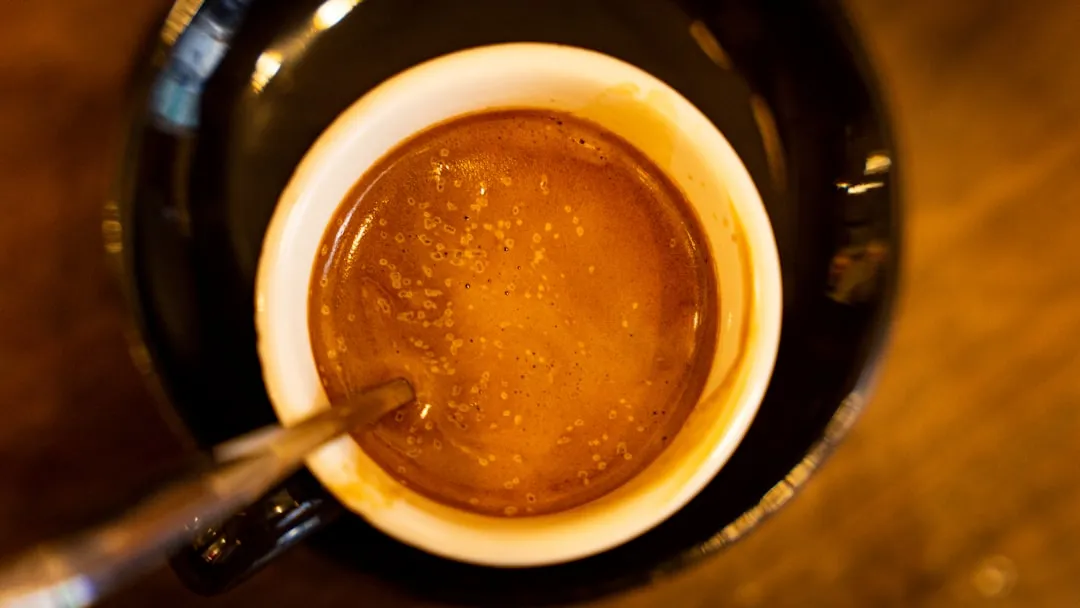
| Espresso | 18 g to 36 g yield (1:2) | Fine (~200 µm) | 90 °C – 93 °C | 25 – 30 sec |
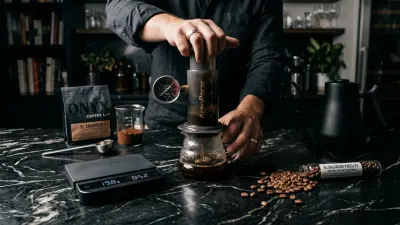
| AeroPress | 15 g to 200 g (1:13.3) | Medium-Fine (~500 µm) | 88 °C – 92 °C | 1:30 – 2:00 min |
| Chemex | 30 g to 500 g (1:16.6) | Medium-Coarse (~800 µm) | 93 °C – 96 °C | 3:30 – 4:30 min |
Water Quality and Equipment Hygiene Issues
It is easy to blame grind size or coffee beans when a brew tastes foul, but two invisible factors frequently spoil coffee: poor water chemistry and dirty brewing equipment. Since coffee is approximately 98.5% water, tap water loaded with chlorine, heavy minerals, or volatile organic compounds directly imprints harsh chemical tastes onto your drink. Highly scale-heavy water prevents full flavor extraction, while distilled water lacks minerals like calcium and magnesium needed to bind with flavor compounds.
Coffee equipment cleanliness plays an equally significant role in cup quality. Old coffee oils stick to glass carafes, portafilters, rubber AeroPress seals, and grinder burrs, oxidation turning those residual fats rancid within days. Running hot water through a dirty coffee maker simply washes aged, rancid oils directly into your fresh mug. Clean all brewer components with specialized cleaner like Cafiza or unscented dish soap after every use, and purge grinder hoppers regularly to avoid stale grounds contaminating fresh doses.
Step-by-Step Action Plan for Better Coffee
If you want to immediately elevate your daily coffee experience, start by upgrading your foundation. Invest in a quality conical burr grinder and a precision digital scale, then source whole bean coffee stamped with a clear roast date within the last 2 to 4 weeks. Establish a precise 1:16 ratio (18 grams of coffee to 288 grams of filtered water heated to 93 °C), choose your favorite manual pour-over or immersion brewer, and tweak your grind size until the flavor balances seamlessly between bright sweetness and subtle cocoa notes.
Frequently Asked Questions
Why does my coffee taste metallic?
Metallic tastes are usually caused by untreated tap water high in mineral content, unpassivated metal parts inside old kettles or espresso machines, or severely under-extracted light roasts brewed with cold water.
Can stale coffee beans make my coffee taste sour?
Yes. As coffee ages past its prime window, it loses organic compounds and volatile aromatic oils. Lacking these sweet structural solubles, the remaining cup presents a flat, papery, and unbalanced sour profile.
How does roast level affect my extraction adjustments?
Darker roasts are more porous and extract rapidly, requiring cooler water (88 °C – 91 °C) and slightly coarser grinds. Light roasts are far denser, requiring hotter water (94 °C – 96 °C) and finer grinds to yield full sweetness.
Is boiling water bad for coffee?
Pouring boiling water (100 °C) directly onto delicate coffee grounds can burn sweet floral notes and extract harsh, bitter plant tannins, resulting in an astringent, burnt taste in the cup.
Sources
- Specialty Coffee Association Standards
- Wikipedia: Coffee Extraction Science
- Baratza Burr Grinder Technical Specifications