Decoding Sweetness: Sugar vs. Sweetener in Your Coffee
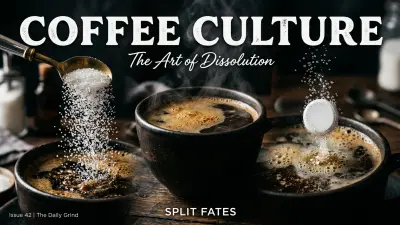
Ah, the ritual of coffee! For many of us, it's not complete without a touch of sweetness. Whether you're trying to balance a bold espresso or just prefer a smoother sip, adding something sweet is a common practice. But here at coffee brew hub, we often get asked: "Which is better for taste – good old sugar or a modern sweetener?" It's a fantastic question, and one we're excited to dive into with you, focusing purely on how these choices impact the flavor of your beloved brew.
Let's explore the nuances, the pros, and the cons of each, helping you make an informed decision for your next cup.
The Role of Sweetness in Coffee Flavor
Before we pit them against each other, let's understand why we add sweetness in the first place. Coffee, by nature, is complex. It boasts acidity, bitterness, body, and a myriad of aromatic compounds. Sweetness acts as a harmonizer, often taming perceived bitterness, enhancing certain caramel or chocolate notes, and contributing to a fuller, more pleasant mouthfeel. A well-balanced sweet coffee doesn't just taste "sugary"; it tastes more complete and rounded.
Sugar: The Timeless Classic
Sugar, in its various forms, has been the go-to coffee additive for centuries. It's natural, familiar, and deeply ingrained in our taste perception of sweetness.
Types of Sugar and Their Impact
- White Granulated Sugar: The most common. It provides a clean, neutral sweetness, allowing the coffee's inherent flavors to shine through with less bitterness. It dissolves easily and enhances perceived body.
- Raw Sugars (Turbinado, Demerara): These sugars retain some of their natural molasses, imparting subtle caramel, toffee, or even slight nutty notes to your coffee. They can complement darker roasts particularly well.
- Brown Sugar: With a stronger molasses content, brown sugar adds a richer, deeper caramel-like sweetness. It's fantastic for adding complexity, especially to bold, robust coffees or those with chocolatey undertones.
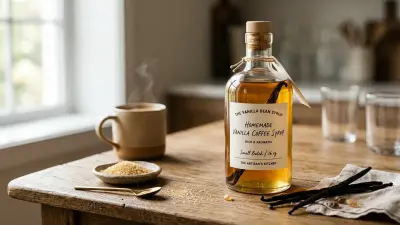
- Liquid Sugars/Syrups: simple syrups (sugar and water) or flavored syrups (vanilla, hazelnut) offer consistent sweetness and flavor integration, often used in espresso-based drinks.
Pros of Sugar for Taste
- Natural Flavor Integration: Sugar's sweetness is widely perceived as "natural" and integrates seamlessly with coffee's existing flavor profile, often enhancing its inherent notes.
- Improved Mouthfeel: Sugar contributes to the viscosity and body of the coffee, making it feel smoother and richer in your mouth.
- Clean Aftertaste: Typically, sugar leaves a clean, pleasant sweetness that fades naturally without lingering off-notes.
Cons of Sugar for Taste
- Caloric Content: While not a taste factor, it's the primary reason many seek alternatives.
- Can Mask Delicate Flavors: Too much sugar can overpower subtle nuances in high-quality, specialty coffee.
Actionable Tip: When using sugar, always add it incrementally. Start with a small half-teaspoon, stir, taste, and then add more if desired. Pay attention to how the sugar interacts with your specific coffee's roast level and origin notes.
Artificial Sweeteners: The Modern Alternatives
For those looking to reduce calorie intake or manage blood sugar, artificial sweeteners (also known as non-nutritive sweeteners) have become popular. But how do they stack up in the taste department?
Common Sweetener Types and Their Flavor Profiles
- Synthetic Sweeteners:
- Aspartame (e.g., Equal, NutraSweet): Offers a clean sweetness but can sometimes have a slight metallic or bitter aftertaste, especially in hot beverages.
- Saccharin (e.g., Sweet'N Low): Known for its intense sweetness, but also for a distinct metallic or slightly bitter, lingering aftertaste that many find unpleasant.
- Sucralose (e.g., Splenda): Generally considered to have a more sugar-like taste than aspartame or saccharin, but some still report a mild chemical or slightly bitter finish.
- Natural/Plant-Derived Sweeteners & Sugar Alcohols:
- Stevia (e.g., Truvia, PureVia): Derived from the stevia plant. Offers intense sweetness, but can have a licorice-like or slightly bitter aftertaste for some, particularly when used in larger quantities.
- Erythritol: A sugar alcohol that is well-tolerated by most. It has a clean taste profile but can sometimes impart a "cooling" sensation in the mouth, which might feel unusual in hot coffee.
- Xylitol: Another sugar alcohol with a taste very similar to sugar, but it can cause digestive upset in some individuals and is highly toxic to dogs.
Pros of Sweeteners for Taste (with caveats)
- Sweetness without Calories: Their primary appeal is delivering sweetness without the caloric load, allowing for guilt-free enjoyment.
Cons of Sweeteners for Taste
- Distinct Aftertaste: This is the biggest complaint. Many artificial sweeteners leave a lingering, sometimes unpleasant, metallic, bitter, or chemical aftertaste that clashes with coffee's natural flavors.
- Lack of Mouthfeel: They don't contribute to the body or viscosity of the coffee in the same way sugar does, which can make the coffee feel "thinner."
- Less Natural Integration: The sweetness often feels less integrated with the coffee, sitting on top of the flavors rather than blending in.
- Individual Sensitivity: Taste perception of sweeteners varies wildly; what one person finds acceptable, another might find repulsive.
Actionable Tip: If you must use sweeteners, try different brands and types. Some people find certain sweeteners more palatable than others. Start with a very small amount, as many are significantly sweeter than sugar by volume.
The Taste Showdown: Which is "Better"?
When it comes purely to enhancing the taste of your coffee, without considering health implications, sugar generally emerges as the victor for most palates. Here's why:
- Harmony vs. Disruption: Sugar tends to harmonize with coffee's natural flavors, rounding out bitterness and amplifying desirable notes. Sweeteners, due to their unique chemical structures, often introduce their own distinct flavor profiles and aftertastes that can disrupt or clash with the coffee's inherent characteristics.
- Mouthfeel Matters: The perceived body and texture that sugar adds are crucial for a satisfying coffee experience. Sweeteners simply cannot replicate this, often leaving the coffee feeling less substantial.
- Clean Finish: A clean aftertaste is key to enjoying a beverage. Sugar provides this, allowing the coffee's flavors to linger pleasantly. The lingering, often artificial, aftertaste of many sweeteners can detract significantly from the overall enjoyment.
While artificial sweeteners offer a functional solution for those with dietary restrictions or health goals, they often require a compromise on the sensory experience. They provide sweetness, but rarely the same rich, integrated, and clean-tasting sweetness that sugar delivers.
Tips for Mindful Sweetening
Regardless of your choice, here are some tips from coffee brew hub to ensure you get the best taste from your sweetened coffee:
- Start with Great Coffee: High-quality beans, properly brewed, will always taste better and often require less sweetener to begin with.
- Taste Before You Sweeten: Understand your coffee's natural profile first. You might find it doesn't need as much sweetness as you think.
- Add Incrementally: You can always add more, but you can't take it out!
- Consider the Roast: Lighter roasts might benefit from a clean, white sugar, while darker roasts can stand up to (and be enhanced by) the molasses notes of brown or raw sugars.
- Experiment: Your palate is unique. Try different types of sugar or various sweetener brands to find what works best for your taste buds.
Final Sip
In the grand debate of sugar vs. sweetener for taste in coffee, sugar typically offers a superior, more harmonious, and natural flavor experience. It integrates beautifully, enhances mouthfeel, and leaves a clean finish that complements the coffee. However, the "best" choice ultimately depends on your individual preferences, dietary needs, and tolerance for potential aftertastes.
So, the next time you reach for a packet or a spoon, consider not just the calories, but how that sweet addition will truly elevate (or detract from) the beautiful flavors in your cup. Happy brewing, and happy sweetening!