Master the Art of Turkish Coffee: A Timeless Brewing Guide
Welcome, fellow coffee enthusiasts, to a journey into one of the world's oldest and most revered coffee traditions: Turkish coffee. More than just a beverage, Turkish coffee is a ritual, a cultural cornerstone, and an experience that engages all senses. At coffee brew hub, we believe every kitchen can be a personal café, and mastering this unique brewing method is a testament to that philosophy.
Originating in the Ottoman Empire, Turkish coffee is renowned for its intense flavor, thick body, and the distinctive sediment at the bottom of the cup. Unlike other brewing methods, the finely ground coffee is directly brewed in water without filtration, resulting in a robust, unfiltered elixir. Let's delve into the tradition, technique, and tips to help you brew your perfect cup.
What You'll Need: Essential Tools for Turkish Coffee
The beauty of Turkish coffee lies in its simplicity. You don't need an elaborate setup, but specific tools are crucial for authenticity and quality.
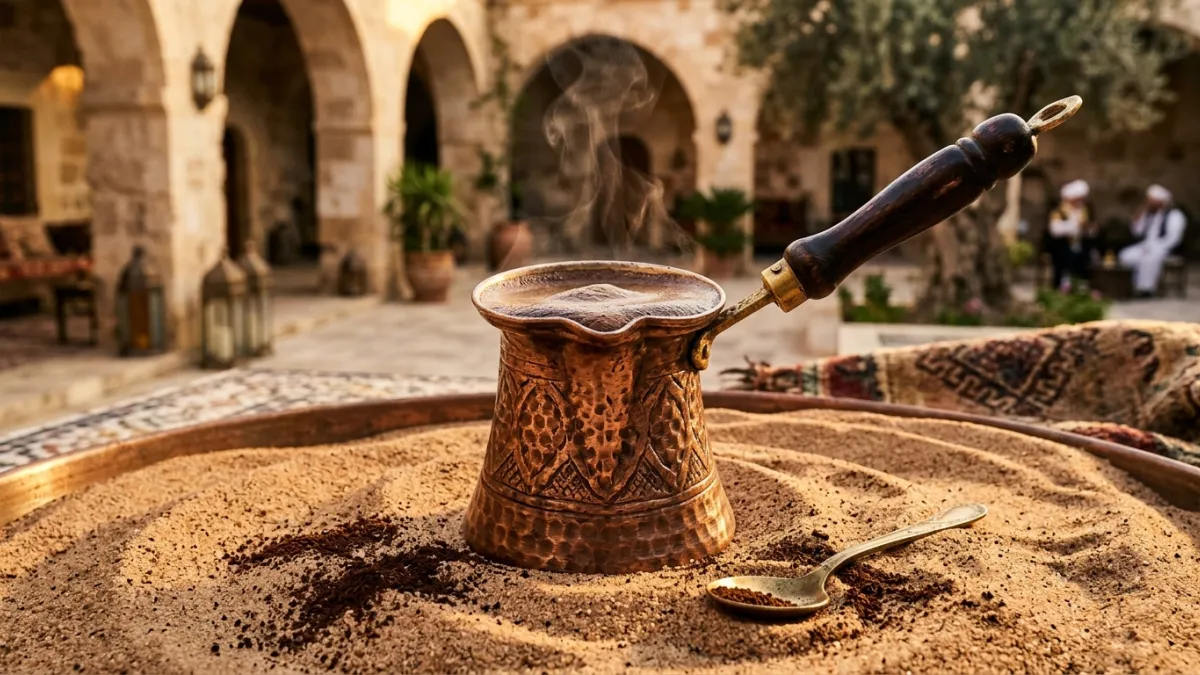
- Cezve (Ibrik): This is the iconic, long-handled pot, typically made of copper or brass, with a wide base and a narrow neck. Sizes vary, usually brewing 1-4 cups.
- Ultra-Fine Coffee Grinder: This is non-negotiable. Turkish coffee requires an incredibly fine, powder-like grind, finer than espresso. A burr grinder specifically designed for Turkish coffee or a traditional hand grinder is ideal.
- Fresh, Finely Ground Coffee: Seek out beans specifically labeled for Turkish coffee, or grind your own. The fresher, the better.
- Cold Water: Fresh, cold filtered water is always best for brewing.
- Sugar (Optional): Granulated sugar is often added during the brewing process, not after.
- Small Demitasse Cups: Traditional cups are small, usually about 2-3 ounces, perfect for sipping.
- Teaspoon: For measuring coffee and stirring.
- Heat Source: A stovetop (gas or electric) or a sand coffee machine.
The Coffee: Grind Size is Key
The grind size for Turkish coffee is paramount. It should resemble flour or powdered sugar. If your coffee isn't ground finely enough, you won't achieve the characteristic thick body, rich foam, or intense flavor. Most standard home grinders struggle to reach this level of fineness, so investing in a dedicated Turkish grinder or purchasing pre-ground Turkish coffee is often recommended for beginners.
The Traditional Brewing Technique: Step-by-Step
Mastering Turkish coffee requires patience and attention to detail. Follow these steps for an authentic brew:
- Measure Ingredients: For each demitasse cup (approx. 2-3 oz of water), use one heaped teaspoon (about 5-7 grams) of ultra-fine Turkish coffee. If adding sugar, add one teaspoon per cup now.
- Combine in Cezve: Add the measured coffee (and sugar, if using) to the Cezve. Then, add cold water, measuring one demitasse cup of water for each serving. Do not fill the Cezve more than three-quarters full to prevent overflow.
- Stir Gently: Stir the coffee, water, and sugar just once or twice to combine them. Avoid over-stirring, which can hinder foam development.
- Heat Slowly: Place the Cezve over medium-low heat. The key is slow, gradual heating. This allows the coffee to extract its flavors properly and for the foam to form.
- Watch for the Foam: As the coffee heats, a dark, rich foam will begin to rise to the surface. This foam is highly prized in Turkish coffee culture. Do not let it boil vigorously.
- First Rise: Just as the foam starts to expand and the coffee is about to boil (you'll see the edges bubbling), carefully remove the Cezve from the heat. This is crucial for preserving the foam.
- Serve the Foam: Spoon a little bit of the rich foam into each demitasse cup. This ensures everyone gets a share of this prized element.
- Second Rise (Optional, for richer flavor): Return the Cezve to low heat. Allow the coffee to rise a second time, again removing it just before it boils over. Some purists repeat this step up to three times for maximum flavor and foam, but be careful not to boil the coffee vigorously, as this can burn it and diminish the foam.
- Pour and Serve: Slowly pour the coffee into the demitasse cups, making sure to distribute the remaining foam evenly. Allow the coffee to sit for a minute or two before drinking, giving the fine grounds time to settle at the bottom.
Tips for Success and Avoiding Common Mistakes
- Don't Stir After the First Rise: Once the foam starts forming, resist the urge to stir the coffee again.
- Never Boil Vigorously: Boiling Turkish coffee vigorously will destroy the foam and extract bitter flavors. Slow and steady wins the race.
- Don't Drink the Grounds: Turkish coffee is unfiltered. Sip carefully, leaving the fine sediment at the bottom of the cup. It's customary to leave a small amount of coffee at the end.
- Serve with Water and Lokum: Traditionally, Turkish coffee is served with a glass of cold water to cleanse the palate and a piece of Turkish delight (lokum) for a sweet counterpoint.
- Practice Makes Perfect: Don't be discouraged if your first few attempts aren't perfect. Like any artisanal skill, brewing Turkish coffee takes practice.
Embrace the Ritual
Turkish coffee is more than just a morning pick-me-up; it's an experience to be savored. It’s about slowing down, enjoying the process, and appreciating the rich history and culture in every sip. We encourage you to experiment with ratios, heating times, and even different beans to find your ideal cup. Share your Turkish coffee adventures with us at Coffee Brew Hub – we're excited to see what you brew!
Now, go forth and transform your kitchen into a hub of timeless coffee tradition!