Introduction: The Gooseneck Advantage
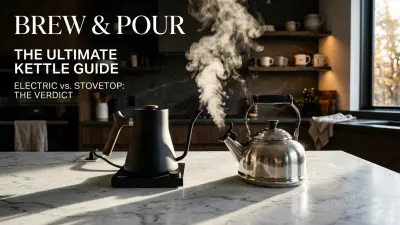
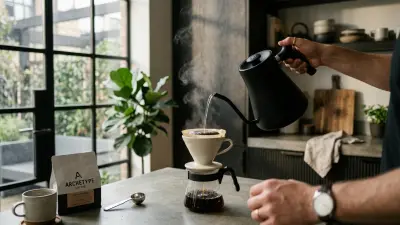
Hey coffee lovers! If you're serious about your pour-over, you already know a gooseneck kettle isn't just a fancy accessory—it's essential. That slender, curved spout gives you the precise control over your water flow needed to evenly saturate your coffee grounds, leading to a much more consistent and delicious brew. But once you decide on a gooseneck, a new question arises: should you go electric or stick with a classic stovetop model? Let's dive deep into both options, weighing their pros and cons to help you make the best choice for your brewing setup.
Electric Gooseneck Kettles: The Tech-Savvy Brewer's Choice
electric gooseneck kettles are the darlings of the modern coffee world, often spotted in specialty cafes and home barista stations alike. They offer a blend of cutting-edge technology and pour-over functionality.
Pros: Precision, Speed, and Smart Features
- Precise temperature control: This is arguably the biggest advantage. Many electric models feature digital temperature settings, allowing you to select your desired water temperature (e.g., 200°F or 93°C for most pour-overs) with single-degree accuracy. This consistency is crucial for repeatable, excellent coffee, as temperature significantly impacts extraction.
- Rapid Boiling & Keep Warm: Electric kettles often heat water faster than stovetop versions, especially for smaller volumes. Many also include a "keep warm" function, maintaining your chosen temperature for 30-60 minutes, which is super handy if you're brewing multiple cups or get distracted.
- Convenience Features: Think auto-shutoff for safety, pre-set temperatures for different brew methods (like green tea vs. coffee), and some high-end models even offer Bluetooth connectivity for app control or integrated brew timers. It's all about making your morning routine smoother.
Cons: Price, Space, and Potential Durability
- Higher Cost: With all that technology comes a higher price tag. Quality electric gooseneck kettles typically cost significantly more than their stovetop counterparts.
- Countertop Footprint: They require a dedicated spot on your counter and an accessible outlet. If kitchen space is at a premium, this might be a concern.
- Electronic Vulnerability: Like any electronic gadget, there's always a slight risk of components failing over time.
Ideal for: The precision-obsessed brewer, those who value convenience and speed, or anyone who wants to easily replicate perfect brewing temperatures every single time. If you brew pour-over daily and want consistency with minimal fuss, an electric kettle is a fantastic investment.
Popular Examples: The Fellow Stagg EKG is a design icon and a favorite for its precise control and aesthetic. The Brewista Artisan is another highly respected option, known for its sleek design and excellent functionality. For a more budget-friendly but still effective option, consider brands like Cosori.
Stovetop Gooseneck Kettles: The Classic, Robust Option
For those who appreciate simplicity, durability, and a bit more hands-on ritual, stovetop gooseneck kettles offer a timeless appeal.
Pros: Durability, Portability, and Simplicity
- Built to Last: Made from stainless steel, these kettles are incredibly durable. There are no electronics to fail, meaning they can last for many years with proper care.
- Portability & No Outlet Needed: Perfect for camping trips, travel, or just moving around your kitchen without worrying about plugs. As long as you have a heat source (gas, electric, induction, even a campfire!), you can boil water.
- Budget-Friendly: Generally, stovetop gooseneck kettles are much more affordable upfront, making them a great entry point into serious pour-over brewing.
Cons: Manual Monitoring and Slower Heating
- Lack of Precision: Without built-in temperature control, you'll need an external thermometer (like an instant-read meat thermometer) to hit your ideal brewing temperature. This adds an extra step and can be less consistent.
- Slower, Less Consistent Heating: Heating time depends entirely on your stovetop's power. It can also be harder to maintain a precise temperature once the kettle is off the heat, as the water will cool faster without a "keep warm" function.
- Less Convenient: No auto-shutoff means you need to keep an eye on it to prevent boiling dry. There are no fancy presets or timers, just pure, unadulterated boiling.
Ideal for: The budget-conscious brewer, those who prefer a minimalist approach, campers, or anyone who enjoys the hands-on ritual of brewing. If you don't mind monitoring temperature manually and appreciate robust equipment, a stovetop kettle is a solid choice.
Popular Examples: The Hario Buono kettle is a classic and a beloved staple in the coffee community, known for its iconic design and great pour control. Fellow also makes an excellent stovetop version of their Stagg kettle, combining great design with induction compatibility. Brands like Coffee Gator offer good value options.
Head-to-Head: Key Comparison Points
1. Precision Temperature Control
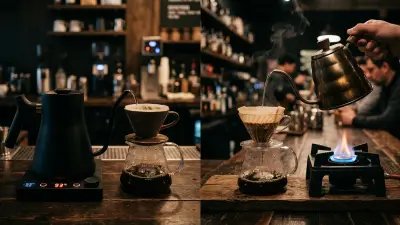
Winner: Electric. Electric kettles with digital control allow you to set and maintain the exact temperature, removing guesswork and ensuring consistent extraction. Stovetop requires a separate thermometer and active monitoring.
2. Speed and Efficiency
Winner: Electric. While stovetop heating varies by stove, many electric kettles boast rapid boil times. The "keep warm" function on electric models also saves time if you need hot water over an extended period.
3. Convenience and User Experience
Winner: Electric. Auto-shutoff, "keep warm" functions, and pre-sets make electric kettles incredibly user-friendly. Stovetop kettles are simpler but demand more attention from the brewer.
4. Cost and Durability
Winner: Stovetop (for cost and raw durability). Stovetop kettles are typically much cheaper and, without electronics, are less prone to mechanical failure. Electric kettles offer more features but come with a higher price tag and potential electronic issues.
5. Aesthetics and Counter Space
Tie (depends on preference). Both types come in beautiful designs. Electric kettles occupy permanent counter space; stovetop models can be stored away when not in use, freeing up valuable real estate.
Making Your Choice: Which Kettle is Right for You?
- Choose Electric if: You prioritize precision, speed, and convenience above all else. You want to set it and forget it, knowing your water is at the perfect temperature every time. You don't mind the higher cost or a dedicated spot on your counter.
- Choose Stovetop if: You value durability, portability, and a more hands-on brewing ritual. You're comfortable using an external thermometer or prefer a more budget-friendly option. You appreciate the timeless look and don't mind a little extra manual effort.
Conclusion: Brew Your Best Way
Both electric and stovetop gooseneck kettles will help you pour over coffee like a pro. There's no single "best" option; it truly comes down to your personal priorities, budget, and how you prefer to brew. Whether you opt for the high-tech precision of an electric model or the robust simplicity of a stovetop classic, investing in a good gooseneck kettle is a game-changer for your pour-over coffee. Happy brewing!