Introduction: The Foundation of Flavor
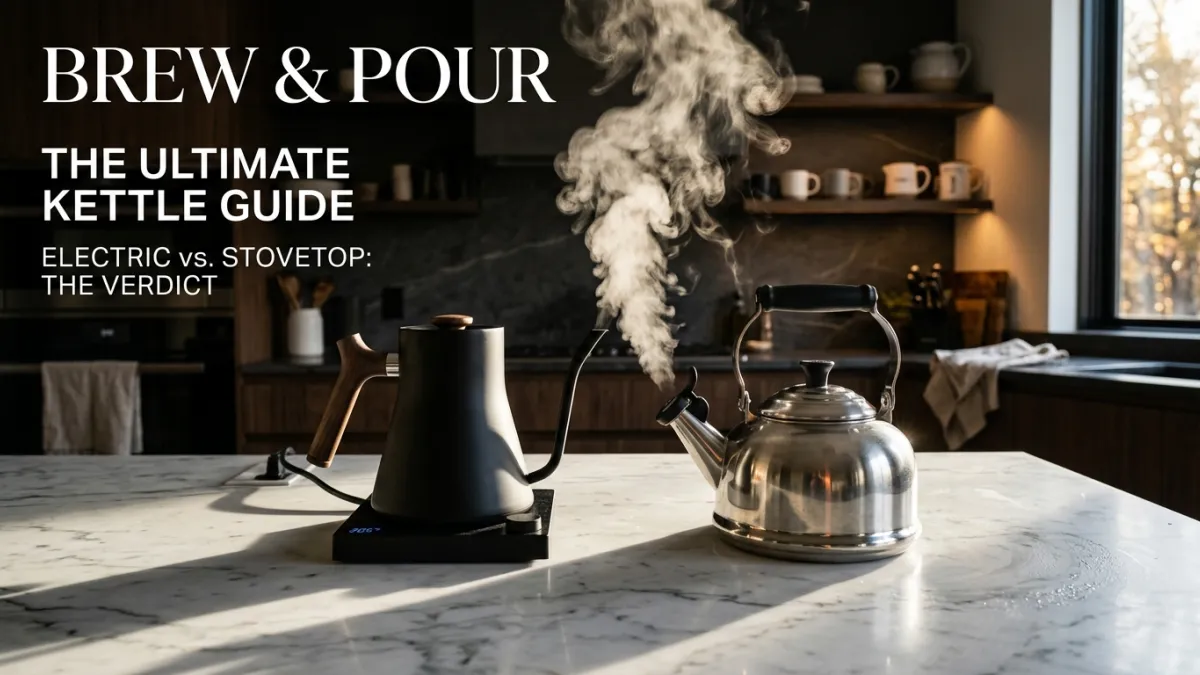
At coffee brew hub, we know that every element contributes to the perfect cup, and water is no exception. It's not just about the quality of your beans or your grind size; the temperature of your brewing water is absolutely crucial for optimal extraction. Too hot, and you risk over-extraction and bitterness; too cold, and you'll get under-extracted, weak, and sour coffee. This makes your kettle an unsung hero in your coffee ritual. But when it comes to heating that essential water, should you go electric or stick with the classic stovetop? Let's dive into an unbiased comparison to help you turn your kitchen into a personal café.
Electric Kettles: Precision and Speed at Your Fingertips
Electric kettles have surged in popularity, especially among specialty coffee enthusiasts, and for good reason. They offer a blend of modern convenience and precise control that can significantly elevate your brewing experience.
The Advantages of Electric Kettles
- Speed: Generally, electric kettles heat water faster than their stovetop counterparts, especially powerful models. This means less waiting and quicker access to your morning brew.
- temperature control: This is where electric kettles truly shine for coffee lovers. Many models, particularly gooseneck electric kettles, offer variable temperature settings, allowing you to select your desired brewing temperature (e.g., 200°F/93°C) with remarkable accuracy. Some even hold the temperature for a set period.
- Convenience and Safety: Most electric kettles feature an auto-shutoff when water boils or reaches the set temperature, preventing boil-dry situations. Cordless designs make pouring easy, and they free up stovetop space.
- Gooseneck Design: Electric gooseneck kettles provide unparalleled control over pour rate and placement, essential for methods like pour-over coffee, AeroPress, or French Press.
The Considerations of Electric Kettles
- Cost: High-end electric kettles, especially those with variable temperature control and gooseneck spouts, can be a significant investment compared to basic stovetop models.
- Counter Space: While cordless, the base of an electric kettle occupies dedicated counter space, which might be a consideration in smaller kitchens.
- Durability and Longevity: With more electronic components, there's a higher potential for technical malfunctions over time compared to the simpler, more robust construction of many stovetop kettles.
Stovetop Kettles: Timeless Charm and Reliability
The stovetop kettle is a timeless kitchen staple, evoking a sense of tradition and simplicity. For many, the whistling sound is synonymous with a warm beverage waiting to be enjoyed.
The Advantages of Stovetop Kettles
- Durability and Longevity: Built from sturdy materials like stainless steel or copper, stovetop kettles are often incredibly durable and can last for decades with proper care.
- Portability and Versatility: They don't require an electrical outlet, making them ideal for camping, off-grid living, or simply moving around the kitchen without restriction. They work on gas, electric, induction, and even open flames.
- Aesthetics: Stovetop kettles come in a vast array of designs, colors, and materials, often adding a touch of classic elegance or rustic charm to your kitchen decor.
- Cost: Basic stovetop kettles are generally more affordable upfront than feature-rich electric models.
The Considerations of Stovetop Kettles
- Slower Heating: Heating time is dependent on your stove's power and type. Gas stoves can be quick, but electric coil stoves can be noticeably slower than electric kettles.
- Lack of Precise temperature control: Stovetop kettles only heat water to a boil. Achieving a specific temperature (e.g., 200°F/93°C for coffee) requires external tools like a thermometer and a watchful eye, adding an extra step to your routine.
- Safety: Without automatic shut-off, a stovetop kettle can boil dry if forgotten, potentially damaging the kettle and posing a fire hazard. Handles can also get very hot.
- Gooseneck Limitations: While stovetop gooseneck kettles exist, their pour consistency can be harder to control than their electric counterparts due to the lack of precise temperature holding.
Head-to-Head: Electric vs. Stovetop Kettles
Heating Speed
For sheer speed, electric kettles generally win, especially higher-wattage models designed for rapid boiling. Stovetop kettles' speed varies greatly depending on the heat source.
Temperature Control and Accuracy
Electric kettles, particularly variable temperature models, are the undisputed champions here. They offer precise temperature selection and holding capabilities, crucial for specialty coffee brewing. Stovetop kettles require manual monitoring with a thermometer to achieve specific temperatures.
Convenience and Safety
Electric kettles offer superior convenience and built-in safety features like auto-shutoff. Their cordless design simplifies pouring. Stovetop kettles require more vigilance and can pose risks if left unattended.
Cost and Durability
Basic stovetop kettles are usually more affordable and boast incredible durability due to their simple construction. Feature-rich electric kettles are pricier but offer more functionality. While electric kettles can be durable, their electronic components are potential points of failure.
Aesthetics and Counter Space
This is subjective. Stovetop kettles offer classic aesthetics and free up counter space when not in use. Electric kettles offer modern designs but occupy a permanent spot with their base.
Which Heats Up Your Brew Better? The Verdict
The answer to "which heats up your brew better?" isn't a simple one. It hinges on what "better" means to you. If "better" means precision, speed, and consistent temperature control for optimal extraction, especially for pour-over coffee, then a variable temperature electric gooseneck kettle is undeniably superior. Its ability to hit and hold a precise temperature simplifies the brewing process and enhances repeatability, leading to consistently excellent coffee.
However, if "better" means reliability, versatility across different heat sources, a lower upfront cost, and a classic aesthetic, then a quality stovetop kettle holds its own. For methods like French Press or immersion brewing where a specific "just off the boil" temperature is sufficient, or if you don't mind using an external thermometer, a stovetop kettle can certainly provide excellent hot water.
Making Your Choice for the Perfect Brew
Ultimately, both electric and stovetop kettles can deliver hot water for your coffee. Your choice depends on your priorities, brewing style, and budget. For the passionate home barista looking to master every variable and achieve coffee perfection with methods like pour-over, an electric kettle with variable temperature control is a game-changer. For those who appreciate tradition, simplicity, and durability, or who need a portable option, a stovetop kettle remains an excellent choice. No matter your preference, ensuring your water is heated correctly is a foundational step in empowering you to master coffee brewing and elevate your daily ritual.