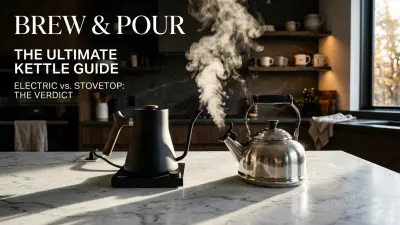
Electric vs. Stovetop Kettles: The Ultimate Brew Battle
At coffee brew hub, we know that every detail matters when crafting the perfect cup. From bean selection to grind size, each step contributes to the final aroma and flavor. One often-overlooked hero in your brewing arsenal is the kettle itself. The way you heat your water directly impacts your coffee, affecting extraction, taste, and even your daily routine. But when it comes to electric vs. stovetop kettles, which one truly heats up your brew better? Let's dive into an unbiased comparison.
Electric Kettles: The Modern Convenience
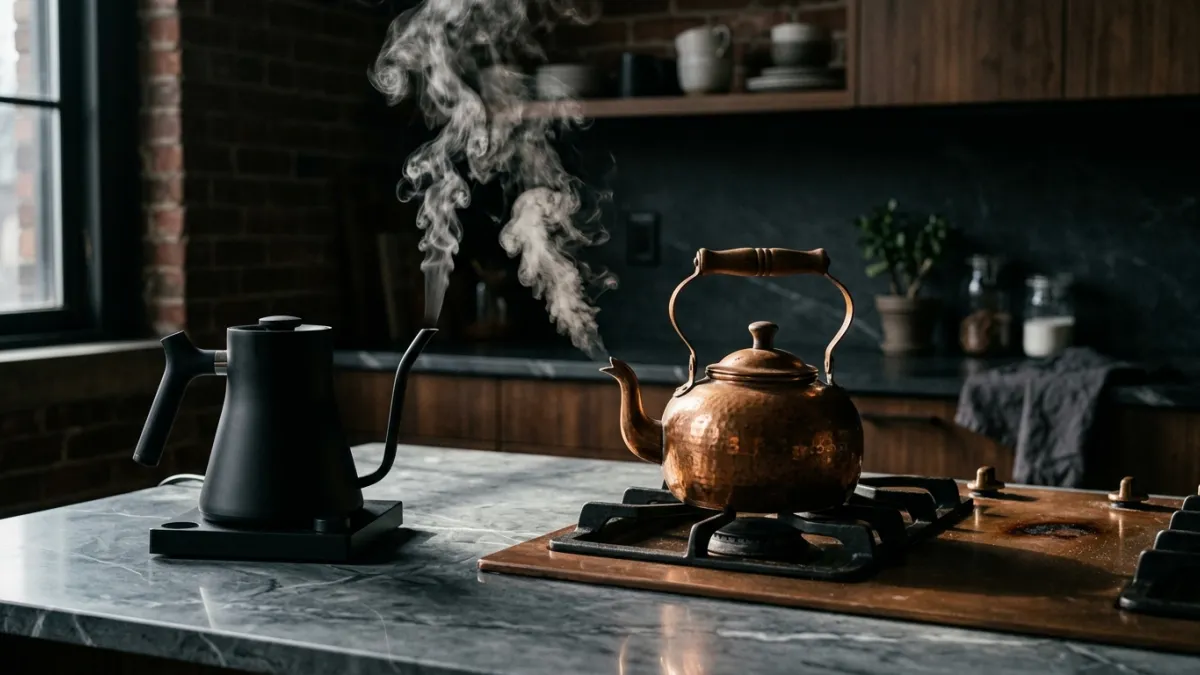
electric kettles have become a staple in many kitchens, prized for their speed and precision. They are self-contained units that plug directly into an outlet, heating water without needing a stovetop.
Pros of Electric Kettles:
- Speed: Generally, electric kettles heat water faster than their stovetop counterparts, especially models with higher wattage. This means less waiting and quicker coffee.
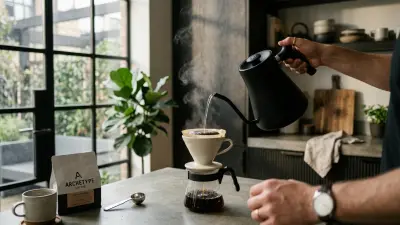
- Precision temperature control: Many modern electric kettles, particularly gooseneck models designed for pour-over, feature digital temperature settings. This allows you to heat water to the exact degree required for specific brewing methods (e.g., 200-205°F for pour-over), ensuring optimal extraction and flavor.
- Safety Features: Most electric kettles come with automatic shut-off and boil-dry protection, reducing the risk of accidents.
- Convenience: They are incredibly easy to use – just fill, set temperature (if applicable), and press a button. The cordless design of most models makes pouring simple.
- Consistency: Once you dial in your preferred temperature, it's easy to replicate it every time, leading to more consistent brews.
Cons of Electric Kettles:
- Cost: High-quality electric kettles, especially those with advanced temperature control, tend to be more expensive upfront.
- Counter Space: They occupy dedicated counter space and require an available electrical outlet.
- Durability Concerns: With more electronic components, there's a higher potential for technical malfunctions over time compared to a simple stovetop kettle.
- Portability: While easy to move, they are tied to an electrical source, limiting their use in off-grid or camping scenarios.
Stovetop Kettles: The Timeless Classic
Stovetop kettles evoke a sense of tradition and often add a classic aesthetic to the kitchen. They rely on an external heat source, typically a gas or electric hob.
Pros of Stovetop Kettles:
- Durability and Longevity: Made from robust materials like stainless steel or cast iron, stovetop kettles are often built to last for decades with proper care.
- Aesthetics: Many home baristas appreciate the classic look and feel of a stovetop kettle, which can complement a rustic or minimalist kitchen design.
- No Electricity Needed: Ideal for camping, power outages, or if you simply prefer not to use another electrical appliance. They are truly portable.
- Affordability: Basic stovetop kettles are generally more budget-friendly than their electric counterparts.
- Compact Storage: Without a base, they can often be stored more compactly in cabinets when not in use.
Cons of Stovetop Kettles:
- Slower Heating: Heating time depends on your stovetop's power and the kettle's material, often taking longer than an electric kettle.
- Less Precise temperature control: Achieving an exact temperature requires an external thermometer and careful monitoring, which can be less convenient for many.
- Safety Risks: Leaving a stovetop kettle unattended can lead to it boiling dry, potentially damaging the kettle or your stovetop, and creating a fire hazard.
- No Automatic Shut-off: You must manually remove it from the heat once it reaches temperature or boils.
Heating Up Your Brew: A Direct Comparison
Let's compare them directly on the most critical aspects for coffee brewing:
- Speed: Electric kettles generally win, especially models with high wattage. They convert electricity directly into heat with minimal loss.temperature control: For precision, electric kettles with variable temperature settings are superior. They allow you to hit and maintain the optimal temperature for specific brew methods like pour-over, French press, or AeroPress. Stovetop kettles require guessing or an additional thermometer.
- Energy Efficiency: While both use energy, electric kettles are often more efficient at heating a specific volume of water, as the heating element is directly immersed. Stovetop kettles lose more heat to the surrounding air.
- Convenience: Electric kettles offer unparalleled convenience with one-touch operation and automatic shut-off. Stovetop kettles demand more attention.
- Pour Control (Gooseneck models): Both types are available in gooseneck designs, essential for precise pour-over brewing. The functionality of the spout is comparable once the water is heated.
Which Heats Up Your Brew Better? The Verdict
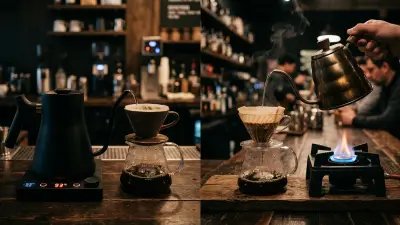
From a purely performance-driven perspective focused on speed, precision, and consistency for coffee brewing, the electric kettle – especially a gooseneck model with variable temperature control – heats up your brew better. It empowers the home barista to dial in the perfect water temperature, which is crucial for extracting the best flavors from your coffee beans.
However, "better" is also subjective and depends on your priorities:
- If precision, speed, and convenience are paramount, an electric kettle is your best bet.
- If durability, aesthetic appeal, a lower initial cost, and independence from electricity are more important, a high-quality stovetop kettle will serve you well, provided you're willing to manage temperature manually.
Conclusion
Ultimately, both electric and stovetop kettles can deliver hot water for your coffee. The choice boils down to your personal brewing style, budget, and kitchen setup. For the passionate home barista looking to master their coffee brewing and achieve consistently excellent results, an electric gooseneck kettle with precise temperature control offers an undeniable advantage. But if you value tradition and simplicity, a reliable stovetop kettle remains a perfectly viable, charming option. Whichever you choose, ensure it brings you joy in your journey to turn your kitchen into a personal café.