Quick answer: Ethiopian coffee beans are renowned for their bright acidity, floral tea-like aromas, and fruit-forward notes ranging from lemon verbena to ripe berries. To best extract these delicate flavor notes, select light-to-medium roasted beans, use a pour-over dripper like the Hario V60 with a 1:16 coffee-to-water ratio, target water temperatures between 92–94 °C (198–201 °F), and grind to a medium-fine consistency.
The Unique Terroir and Heirloom Varieties of Ethiopian Coffee
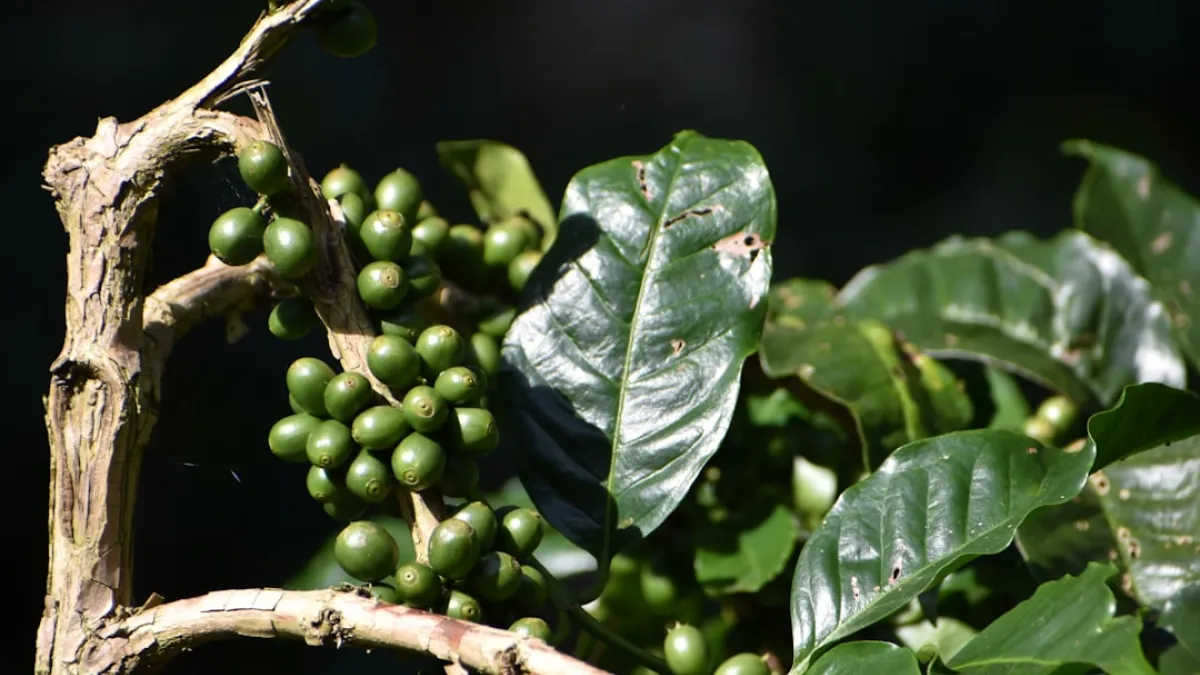
Ethiopia's elevation, tropical climate, and nutrient-dense volcanic soil create the ultimate environment for slow fruit development. High altitudes ranging from 1,500 to 2,200 meters above sea level allow coffee cherries to mature slowly, concentrating sugars and producing dense, highly insoluble green beans. These dense beans develop intricate organic acids—such as malic and citric acids—that manifest as crisp apple, citrus, and stone fruit notes in your final cup.
Unlike coffee-producing countries that rely on cultivated uniform hybrids like Bourbon, Caturra, or Catimor, Ethiopia relies heavily on wild heirloom cultivars. Estimates suggest that over 10,000 unique distinct varieties exist across Ethiopia's forests and smallholder gardens. These wild genetics, paired with distinct microclimates, make Ethiopian single-origin coffee one of the most dynamic categories for coffee lovers seeking expressive flavor profiles.
Key Growing Regions: Yirgacheffe, Sidama, Guji, and Harrar
Each major growing zone across southern and eastern Ethiopia exhibits signature microclimates and processing traditions that shape the raw green bean characteristics:
- Yirgacheffe: Situated within the broader Sidama region, Yirgacheffe produces world-famous washed coffees defined by intense jasmine aromatics, sweet bergamot, lemon zest, and a delicate, tea-like body.
- Sidama (Sidamo): Spanning vast mountain plateaus, Sidama yields rounded, vibrant coffees balancing bright citric acidity with sweet cane sugar and subtle spice undertones.
- Guji: Located south of Sidama, the Guji region has gained massive acclaim for producing intense natural-processed coffees packed with sweet strawberry, peach, and tropical mango notes.
- Harrar: Found in eastern Ethiopia, this arid region traditionally processes sun-dried natural beans known for deep blueberry, dried fig, cardamom, and winey acidity.
Processing Methods: Washed vs. Natural (Dry) Processed
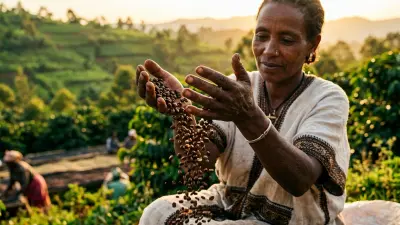
Processing—the method used to remove the fruit pulpy layers from the green coffee seed—exerts a massive influence on the final extraction performance and flavor profile. Smallholders across Ethiopia bring their harvested cherries to centralized washing stations or dry them on elevated African drying beds.
Washed (wet) processed coffees undergo depulping and underwater fermentation to strip away all fruit mucilage before drying. This method highlights clear acid structures, floral aromas, and a lightweight, crystalline mouthfeel. On the other hand, natural (dry) processed coffees dry with the entire cherry intact on bamboo raised beds for 15 to 25 days. The seed absorbs fruit sugars and organic compounds directly from the pulp, resulting in rich berry notes, creamy body, and heavy natural sweetness.
| Processing Feature | Washed (Wet) Process | Natural (Dry) Process |
|---|---|---|
| Primary Flavor Profile | Jasmine, Bergamot, Lemon, Green Tea | Blueberry, Dried Fig, Peach, Milk Chocolate |
| Acidity Profile | Vibrant, Citric, Crisp, Crystalline | Soft, Tartaric, Winey, Lactic |
| Mouthfeel & Body | Light, Silky, Tea-Like | Medium-to-Full, Syrupy, Creamy |
| Fines Generation During Grind | Low to Moderate | High (Friable Bean Matrix) |
| Ideal Extraction Temperature | 93–96 °C (199–205 °F) | 90–93 °C (194–199 °F) |
Dialing In the Extraction: Brewing Ethiopian Beans to Perfection
Brewing dense Ethiopian coffee beans requires careful control over water quality, grind size, and pour mechanics. Lightly roasted, dense high-altitude seeds demand sufficient thermal energy to dissolve desirable solids. However, their brittle structure can generate excessive microscopic dust (fines) during grinding, which increases the risk of filter clogging and bitter over-extraction.
Barista's tip: Natural process Ethiopian beans produce significantly more fine particles during grinding than washed coffees. When brewing naturally processed Guji or Harrar on a pour-over dripper like the Hario V60 or Chemex, reduce agitation during your pour phase. Instead of aggressive high pours, keep your kettle spout close to the surface and limit swirl movements to prevent fine particles from migrating down and clogging your filter paper.
Target Specifications and Extraction Parameters
To establish a clean baseline according to specialty coffee association (SCA) extraction guidelines, target a total dissolved solids (TDS) range between 1.25% and 1.40%. Achieving this sweet spot requires exact measurements and thermal consistency:
- Dose: 18.0 grams of fresh whole-bean coffee
- Yield (Water Weight): 288 grams of filtered water (1:16 brew ratio)
- Grind Size: Medium-Fine (approx. 550–650 microns on precision flat/conical burrs)
- Water Temperature: 93 °C (200 °F)
- Total Brew Time: 2 minutes 45 seconds to 3 minutes 15 seconds
- Bloom Phase: 50 grams water, 45 seconds duration with light agitation
Step-by-Step V60 Pour-Over Recipe
Follow this precise multi-pour pour-over method designed specifically to accentuate clean acidity and volatile aromatics while maintaining clear particle flow:
- Rinse your paper filter with hot water to purge papery taste and preheat your glass or ceramic dripper. Discard the rinse water completely.
- Add 18.0g of ground coffee into the filter, tapping the sides gently to settle the bed perfectly level. Place the dripper on your digital scale and tare to zero.
- Start your timer and pour 50g of water heated to 93 °C in gentle concentric circles, ensuring all grounds are fully saturated. Allow the slurry to bloom for 45 seconds to off-gas carbon dioxide.
- Pour steadily until reaching 150g total weight by 1 minute 15 seconds. Use a low pouring height to avoid disturbing the center bed too aggressively.
- At 1 minute 30 seconds, pour the remaining water steadily until your scale reads 288g. Give the dripper one single gently controlled spin to level the drawdown bed.
- Allow all water to drain completely through the bed. Total target contact time should land between 2:45 and 3:15. Serves one aromatic, balanced cup.
Equipment Selection and Maintenance Considerations
Extracting light-roasted Ethiopian heirloom beans requires consistent equipment capable of uniform particle distribution and precise temperature control. Blade grinders crush beans irregularly, yielding fine dust that bitter-over-extracts mixed with large boulders that sour-under-extract. Investing in high-quality manual or electric burr grinders—such as the Baratza Encore ESP, Fellow Ode Gen 2, or premium hand grinders with stainless steel burrs—ensures clean particle sizing.
Water chemistry also plays an oversized role when extracting delicate, floral single origins. Standard tap water with high carbonate hardness will neutralize the delicate citric and malic acids that give Yirgacheffe and Guji coffees their bright appeal. Aim for soft, ideal brewing water with 50–90 ppm Total Hardness and 40 ppm Alkalinity, heated in a variable temperature gooseneck kettle.
Roast Date, Degassing, and Peak Freshness
Dense Ethiopian green beans light-roasted for pour-over require adequate resting time post-roast to off-gas carbon dioxide trapped inside the cellular structure. Brewing Ethiopian beans within 48 hours of roasting often leads to channeling and uneven extractions due to aggressive gaseous foam during the bloom phase. For optimal clarity and sweetness, allow light-roasted single-origin beans to rest in a sealed bag with a one-way valve for 10 to 14 days after the roast date. They will maintain peak flavor expression between day 14 and day 35.
For best results, keep your coffee stored in a cool, dark location inside airtight vacuum canisters rather than original retail packaging. Avoid storing open bags inside the refrigerator or freezer, as ambient moisture condensation can damage sensitive flavor oils and cause premature degradation.
If you prefer pour-over brewing, pair a washed Yirgacheffe bean with a precise burr grinder, paper filters, and a clean 1:16 water ratio to enjoy bright floral notes. If you favor rich sweetness, milk drinks, or full-bodied French press extractions, select a dry-processed natural Guji roasted light-medium and dial back your brew temperature slightly to bring out heavy strawberry jam flavors.
Frequently Asked Questions
Why does my Ethiopian natural coffee brew so slowly on pour-over?
Natural processed Ethiopian beans are more friable and brittle, creating a higher concentration of fine particles during grinding. These fines settle at the bottom of your filter paper and slow down drawdown times. To fix this, use a slightly coarser grind setting, reduce agitation during your water pours, or use fast-draining paper filters.
Are Ethiopian coffee beans suitable for espresso?
Yes, Ethiopian single origins make vibrant, complex espresso shots. Natural processed beans produce sweet, berry-forward single-origin espresso shots with rich crema. Washed ethiopian coffees produce bright, floral, citrus-heavy shots that pair brilliantly as iced light espresso drinks.
What is the best roast level for Ethiopian beans?
Light to medium-light roasts are ideal for Ethiopian coffee. Dark roasting burns off volatile organic compounds responsible for jasmine aromas, bergamot acidity, and fruit notes, replacing those unique characteristics with generic dark roast bitterness.
What makes Ethiopian coffee taste like tea or fruit?
Ethiopia's unique heirloom genetics, high growing altitudes, and natural processing methods retain high levels of organic sugars and aromatic compounds. When lightly roasted, these organic compounds produce distinct tea-like, floral, and fruit flavor profiles that occur completely naturally without added flavorings.
Sources
- specialty coffee association Standards: SCA Resource Center & Standards
- Coffee Botany and Wild Genetics: Wikipedia: Coffea Arabica
- World Coffee Research Variety Catalog: World Coffee Research