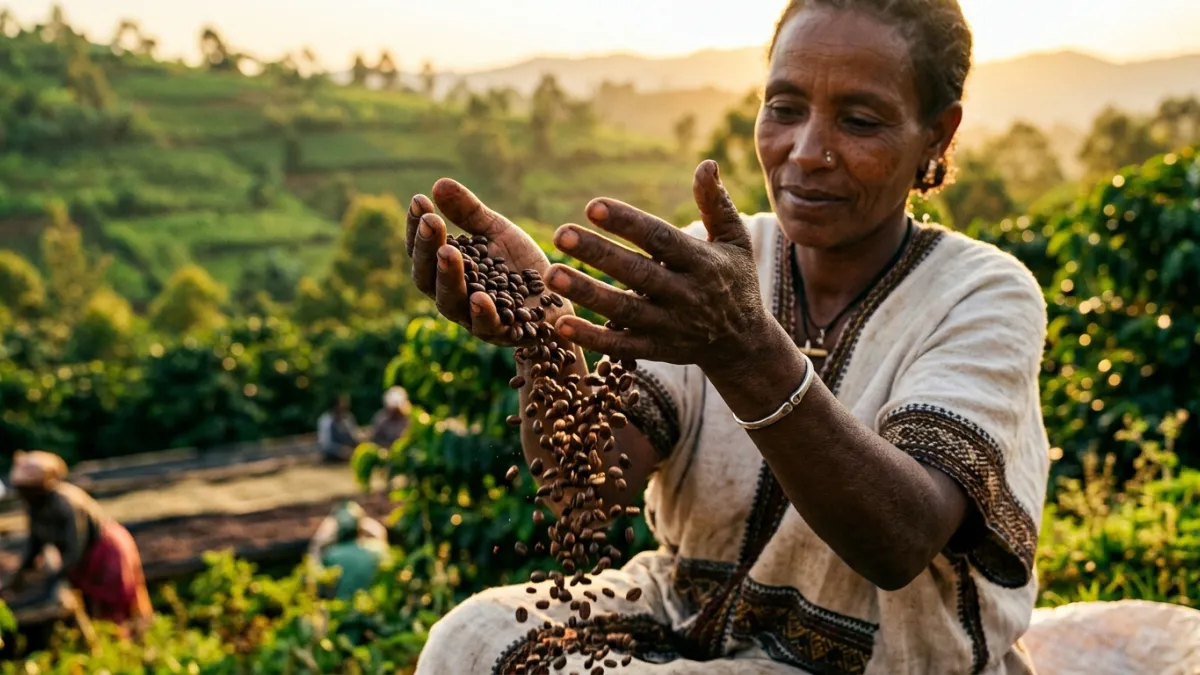
Ethiopian Coffee Beans: Discovering Distinct Flavors, Regions, and Brewing Methods
Welcome, fellow coffee enthusiasts, to the ancient heartland of coffee! Ethiopia, often called the birthplace of Arabica, offers a coffee experience unlike any other. For centuries, its unique beans have captivated palates worldwide with an extraordinary spectrum of flavors. If you're eager to deepen your understanding and elevate your home brewing, join Coffee Brew Hub as we embark on a journey through the distinct regions, processing methods, and optimal brewing techniques for Ethiopian coffee.
Why Ethiopian Coffee Stands Apart
What makes Ethiopian coffee so incredibly special? It boils down to a few key factors:
- Heirloom Varieties: Unlike many coffee-growing nations that cultivate a few dominant varieties, Ethiopia boasts thousands of wild, unclassified coffee varieties, collectively known as "heirloom" varieties. This incredible genetic diversity contributes to the complex and nuanced flavor profiles you'll find.
- High Altitude & Rich Soil: Most Ethiopian coffee grows at high altitudes (1,500 to 2,200 meters above sea level) in fertile, mineral-rich volcanic soil. These conditions allow the coffee cherries to mature slowly, developing rich sugars and complex acids.
- Processing Methods: The choice between Washed and Natural processing dramatically impacts the final cup.
- Washed (Wet) Process: Cherries are pulped, fermented, and then washed clean before drying. This method typically highlights the coffee's inherent acidity, floral notes, and a clean, bright cup profile.
- Natural (Dry) Process: Cherries are dried whole with the fruit intact. This allows the fruit's sugars and flavors to infuse into the bean, resulting in a coffee with a heavier body, intense fruitiness (often berry or tropical notes), and a more pronounced sweetness.
Key Ethiopian Coffee Regions & Their Distinct Flavors
Ethiopia is home to numerous coffee-producing regions, each imparting its unique signature to the beans. Here are some of the most celebrated:
Yirgacheffe
Perhaps the most famous Ethiopian region, Yirgacheffe is renowned for its elegant, bright, and intensely aromatic coffees. Predominantly washed process, these beans often present notes of lemon, bergamot, jasmine, and a delicate tea-like finish. They are known for their vibrant acidity and a remarkably clean cup.
Sidama
Located in the Ethiopian Highlands, Sidama offers a vast range of profiles due to its diverse microclimates. You'll find both washed and natural processed coffees here. Sidama coffees are celebrated for their balanced acidity, often exhibiting flavors of berries, stone fruit (like apricot or peach), and a subtle chocolate undertone, with a medium body and a pleasant sweetness.
Harrar
From the eastern highlands, Harrar coffees are almost exclusively natural processed. These are truly wild and distinctive beans, famous for their bold, complex, and sometimes "winey" characteristics. Expect flavors of blueberry, strawberry, dark chocolate, and sometimes a hint of spice or mocha. They typically have a heavier body and lower acidity than their washed counterparts.
Guji
Emerging as a distinct region from what was once considered part of Sidama, Guji coffees are gaining significant recognition. Available in both washed and natural processes, Guji beans often boast bright acidity, a clean cup, and prominent notes of tropical fruits, citrus, and a floral sweetness, often with a hint of honey.
Brewing Ethiopian Coffee: Unlocking Its Potential
To truly appreciate the intricate flavors of Ethiopian coffee, careful brewing is essential. Here are some general tips and recommended methods:
- Freshness is Key: Always use freshly roasted, freshly ground beans. Ethiopian coffees are often delicate, and stale beans quickly lose their vibrancy.
- Grind Size Matters: Adjust your grind size based on your brewing method. Generally, a medium-fine to medium grind works best for most pour-overs.
- Water Quality & Temperature: Use filtered water. Aim for a water temperature between 195-205°F (90-96°C) to extract optimal flavors without bitterness.
Recommended Brewing Methods:
- Pour Over (e.g., Hario V60, Kalita Wave): Ideal for washed Ethiopian coffees like Yirgacheffe or Sidama. This method highlights their clarity, delicate aromatics, and bright acidity. Use a medium-fine grind and a slow, controlled pour.
- Aeropress: A versatile choice for both washed and natural processed beans. The Aeropress can produce a clean cup with washed coffees or a more full-bodied, concentrated brew with naturals, allowing you to experiment with different immersion times.
- French Press: Excellent for natural processed Ethiopian coffees like Harrar or some Sidama/Guji naturals. The full immersion allows for a rich extraction, emphasizing their heavy body, intense fruitiness, and chocolate notes without filtering out the oils. Use a coarser grind to avoid over-extraction and sludge.
- Chemex: For those who desire an ultra-clean, sediment-free cup, the Chemex is perfect for delicate washed Ethiopian varieties. Its thicker filter provides an exceptionally clean and bright brew, showcasing the most subtle floral and citrus notes.
Beyond the Cup: The Ethiopian Coffee Ceremony
No discussion of Ethiopian coffee is complete without mentioning the traditional Buna, or coffee ceremony. This ancient ritual, involving roasting green beans, grinding, and brewing in a traditional clay pot called a 'jebena,' is a profound cultural experience. It underscores the deep respect and communal joy associated with coffee in its homeland.
Embarking on your journey with Ethiopian coffee is an adventure for the senses. Each region, each processing method, and each brewing choice unveils a new layer of complexity and delight. At Coffee Brew Hub, we encourage you to experiment, taste, and discover your own favorite Ethiopian treasures. Your kitchen awaits its transformation into a personal café!