Quick answer: single origin coffee highlights the distinct seasonal flavor profile and terroir of a specific farm or region, making it ideal for filter brewing like V60 or Chemex. Blended coffee combines multiple origins to engineer balance, body, and yield a predictable, consistent flavor profile that excels in espresso machines and automatic drip coffee makers.
Understanding Single Origin Coffee: Terroir and Traceability
In the specialty coffee industry, single origin refers to beans sourced entirely from one specific geographical location. This could mean a single country, a specific growing region, a cooperative of neighboring smallholders, or even a micro-lot harvested from a single hillside on an individual farm. Just like fine wine, single origin coffee is defined by terroir—the unique combination of volcanic soil chemistry, elevation above sea level, rainfall patterns, ambient temperature fluctuations, and localized harvesting traditions. When you brew a single origin coffee, you are sampling a snapshot of a specific place during a specific harvest season.
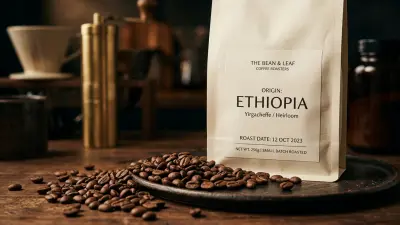
The defining characteristic of single origin coffee is its uncompromising clarity and distinct personality. Beans grown at elevations above 1,500 meters in regions like Ethiopia or Kenya develop dense cell structures due to cooler night temperatures, resulting in bright, complex citric or malic acidity alongside floral and berry-like flavor compounds. Conversely, beans from lower elevations or regions like Sumatra or Colombia tend to exhibit heavier body, lower acidity, and deep notes of dark chocolate, stone fruit, or toasted nuts. Single origin offerings allow home baristas to explore these vast regional variations and train their palates to recognize subtle flavor notes without any background distraction.
However, single origin coffees come with inherent trade-offs that every home barista should consider. Because they depend heavily on weather conditions and localized crop yields, single origins are seasonal and continuously changing throughout the calendar year. A batch of washed ethiopian coffee purchased in May may taste vastly different from a batch harvested the following year, or it may simply go out of stock until the next harvest cycle. Additionally, single origin beans can be unforgiving during extraction, requiring precise adjustments to grind size, water mineral content, and pouring technique to avoid bitter or sour off-flavors.
Understanding Blended Coffee: Crafting Balance and Consistency
Blended coffee is the artful fusion of two or more single origin coffee beans originating from different regions, countries, or processing methods. Master roasters create blends with a clear target profile in mind, combining individual bean characteristics to build a final cup that is more complete, harmonious, and balanced than any single component could achieve on its own. For instance, a roaster might pair a high-altitude Guatemalan bean prized for its crisp green apple acidity with a naturally processed Brazilian bean that delivers a rich, creamy body and notes of milk chocolate.
The primary advantage of a well-crafted coffee blend is exceptional consistency year-round. Because coffee is an agricultural product subject to seasonal supply fluctuations, single origin availability varies month to month. Roasters overcome this challenge by continuously adjusting the proportions of their blend recipes—swapping out a seasonal Central American bean for a similar Peruvian lot—to ensure the final flavor profile remains virtually identical every single morning. This makes blends the gold standard for commercial cafes and home drinkers who value a reliable, comforting, and predictable taste profile.
Blends also provide superior functional performance when subjected to high-pressure extraction methods. Espresso brewing amplifies every flavor element of a coffee bean under 9 bars of pressure; single origin beans with high acidity can produce an overwhelming, sour shot if extraction parameters drift slightly. Blends act as a stabilizing cushion, tempering aggressive fruit notes with sweet, round base notes that cut through steamed milk effortlessly in lattes and cappuccinos. While some purists view blends as less exclusive, high-end specialty blends require immense technical skill and sensory precision to design and roast successfully.
Barista's tip: When dialing in single origin beans for espresso, reduce your dose slightly (try 17.5 g instead of 18 g) and extend your brew ratio to 1:2.5 (around 44 g yield out) over 28–32 seconds. High-altitude single origins are structurally denser and benefit from higher yield to pull out soluble sugars, preventing harsh, under-extracted sourness.
Direct Comparison: Single Origin vs Blended Coffee
Choosing between single origin and blended coffee comes down to evaluating several core factors: flavor complexity, brewing method suitability, consistency, and overall cost. The comparison table below highlights how these two categories stack up against standard industry metrics.
| Factor | Single Origin Coffee | Blended Coffee |
|---|---|---|
| Primary Focus | Terroir, distinct flavor clarity, unique origin traits | Balance, harmony, consistent flavor profile |
| Flavor Characteristics | Bright, fruity, floral, or earthy; highly pronounced | Smooth, chocolatey, nutty, sweet, rounded |
| best brewing methods | Pour-over (V60, Chemex), AeroPress, French Press | Espresso machines, Moka pot, automatic drip coffee makers |
| Consistency & Supply | Seasonal, limited availability, variable between harvests | High consistency, available year-round |
| Target Extraction Parameters | Water Temp: 93–96 °C; Ratio: 1:16–1:17; Med-Fine to Fine | Water Temp: 90–93 °C; Ratio: 1:15–1:16; Fine (Espresso) |
| Price Point | Premium / High (due to traceability and supply limits) | Moderate / Economical (flexible sourcing options) |
How to Choose: Matching Beans to Your Brewing Gear
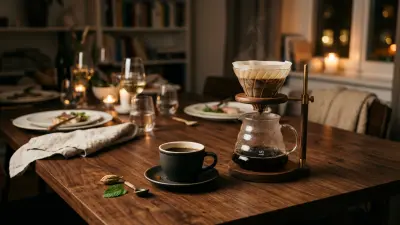
Your preferred extraction equipment should heavily influence whether you purchase single origin or blended beans. Pour-over drip methods like the Hario V60 or Chemex pass water through a paper filter under gravity alone, which retains fine oils and sediment while allowing bright, soluble fruit acids and floral compounds to pass into the carafe. Using a lightly roasted single origin coffee with a 1:16 brew ratio (e.g., 18 g of coffee ground at roughly 600–800 microns to 288 g of water at 94 °C) unlocks complex, tea-like notes that would completely disappear inside a milk-heavy espresso beverage.
If your daily morning routine relies on a semi-automatic espresso machine or an automatic drip machine, a quality blend is almost always the more rewarding option. espresso extraction involves forcing water through an 18 g puck of finely ground coffee under high pressure for 25 to 30 seconds to yield approximately 36 g of liquid espresso. Blends crafted specifically for espresso combine high-solubility beans that generate thick crema, smooth tactile mouthfeel, and low-acidity base notes, providing a balanced shot that pairs perfectly with milk while remaining forgiving if your grind size is slightly off target.
- Choose Single Origin if: You love pour-over coffee, prefer drinking black coffee without milk, enjoy chasing complex fruit and floral notes, and like trying new roast profiles frequently.
- Choose a Blend if: You brew espresso daily, routinely make milk drinks like lattes or flat whites, use an automatic coffee maker, or want an affordable daily driver with total taste consistency.
- Optimal Rest Period: Allow single origin light roasts to rest 10 to 14 days post-roast date before brewing to let CO2 gas dissipate fully; medium espresso blends are generally peak-ready after 7 to 10 days.
For the optimal home coffee setup, pair medium to light roast single origins with precision flat burr grinders (such as Fellow or Baratza entry-level specialty units) to maximize particle uniformity and clarity. Conversely, conical burr grinders work exceptionally well with espresso blends, creating a slightly wider particle distribution that enhances body and crema texture in classic espresso shots.
Frequently Asked Questions
Is single origin coffee higher quality than blended coffee?
Not necessarily. While single origin coffees often carry higher price points due to farm-level traceability and smaller yield quantities, blend quality depends on the grade of its constituent beans. Specialty roasters use top-grade specialty beans (scoring 80+ on the Specialty Coffee Association 100-point scale) to craft premium blends, ensuring exceptional quality in both categories.
Can you make espresso with single origin coffee beans?
Yes, single origin espresso (often referred to as SOE in specialty cafes) is popular among coffee enthusiasts. However, single origin espresso shots can be challenging to extract evenly and tend to showcase high acidity and thinner body compared to traditional espresso blends.
How long do roasted single origin and blended coffee beans stay fresh?
Whole bean coffee remains at peak flavor between 7 and 30 days following its roast date when stored in an airtight container away from light, heat, and oxygen. Once ground, coffee loses its volatile aromatic compounds rapidly, so always grind immediately prior to brewing regardless of bean origin.
Finding Your Perfect Daily Brew
To establish your ideal morning coffee setup, start by auditing your primary brewing equipment and personal taste preferences: if you use a pour-over dripper like a V60 and drink your coffee black, buy a lightly roasted single origin bean from East Africa or Central America using a 1:16 ratio; if you brew espresso or use an automatic drip machine with cream, select a medium-roasted house blend designed for balanced sweetness and low acidity. Experimenting with both categories will sharpen your palate, help you understand extraction variables, and ultimately turn your home kitchen into a professional-grade café.
Sources
- Specialty Coffee Association Standards
- Wikipedia: Coffee Roasting & Processing
- Baratza Grinder Technical Guides & Particle Distribution Data