Unlock the Secrets: Why Reading Your Coffee Bag Label Matters
As passionate home baristas, we know that brewing exceptional coffee starts long before the water hits the grounds. It begins with selecting the right beans. But with so many beautiful bags gracing the shelves, how do you make an informed choice? The answer lies in understanding the story hidden on the label. Think of your coffee bag as a treasure map, guiding you to the perfect cup. At coffee brew hub, we believe an empowered brewer is a better brewer, and deciphering these labels is a fundamental step.
Beyond just looking pretty, the information on a specialty coffee bag label is crucial for two main reasons: freshness and flavor prediction. Knowing these details allows you to optimize your brewing technique, anticipate flavor profiles, and consistently create incredible coffee in your kitchen.
The Golden Rule: The Roast Date
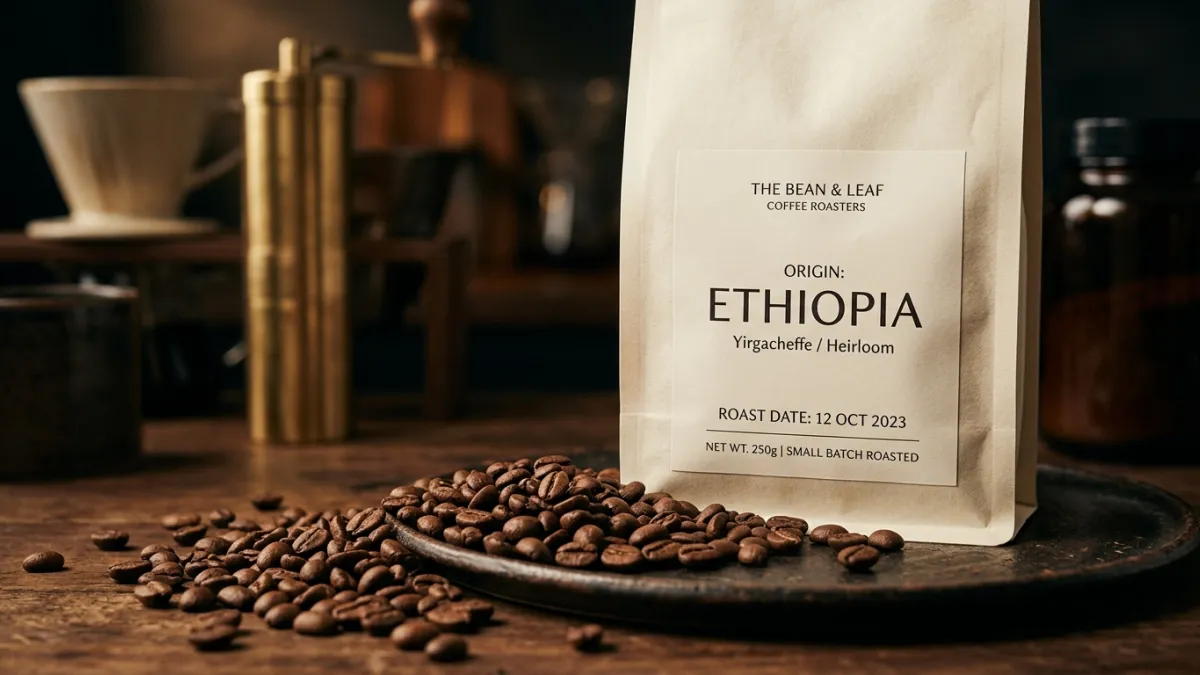
If there's one piece of information you absolutely must check, it's the roast date. This isn't just a suggestion; it's the heartbeat of your coffee's freshness and flavor.
Why the Roast Date is Crucial:
- Optimal Degassing: Freshly roasted coffee undergoes a process called degassing, releasing carbon dioxide. Brewing too soon can lead to inconsistent extraction and a sour taste. Brewing too late means much of the aromatic compounds have dissipated.
- Peak Flavor Window: For most brewing methods, coffee is at its best between 5-7 days and up to 3-4 weeks post-roast. This allows for adequate degassing while preserving peak aromatics and flavor.
- Avoid Stale Coffee: Coffee doesn't "spoil" in the traditional sense, but it does go stale. Stale coffee tastes flat, muted, and lacks the vibrant characteristics it once had.
Look for "Roasted On" or "Roast Date": Reputable roasters will always stamp the exact date their beans were roasted. Be wary of bags that only show a "best by" date, as this offers no real insight into freshness.
Where in the World? Understanding Coffee Origin
Just like fine wine, coffee's flavor is profoundly influenced by its origin. The climate, soil, altitude, and even the cultural practices of a region all contribute to the unique characteristics of the bean. This is known as "terroir."
What to Look For:
- Country: This is the broadest indicator. For example, Ethiopian coffees are often floral and tea-like, while Brazilian coffees tend to be nutty and chocolatey.
- Region/Farm: More specific origins, such as "Yirgacheffe, Ethiopia" or "Finca El Injerto, Guatemala," point to even more distinct flavor profiles. The more specific, the better!
- Varietal: Sometimes, labels will mention the coffee varietal (e.g., Geisha, SL-28, Caturra). Different varietals have inherent flavor characteristics, adding another layer of depth to your understanding.
Understanding origin helps you anticipate flavors, guiding you toward coffees you know you'll love or encouraging you to explore new and exciting profiles.
The Journey from Cherry to Bean: Processing Method
After harvesting, coffee cherries must have their seeds (beans) removed and dried. The method used for this crucial step, known as processing, dramatically impacts the final flavor in your cup.
Common Processing Methods:
-
Washed (or Wet) Process:
- How it Works: The cherry's fruit pulp is removed before drying. This typically involves fermenting the cherries in water tanks to break down the mucilage, then washing them clean, and finally drying the parchment coffee.
- Flavor Impact: Produces a cleaner, brighter, and often more acidic cup with distinct floral or fruity notes. It highlights the inherent characteristics of the bean itself.
-
Natural (or Dry) Process:
- How it Works: The entire coffee cherry is dried with the fruit intact, often on raised beds or patios. Once fully dried, the fruit is removed.
- Flavor Impact: Results in a coffee with more body, often featuring intense fruitiness, berry notes, and sometimes a hint of fermentation or wine-like qualities.
-
Honey (or Pulped Natural) Process:
- How it Works: A hybrid method where the skin of the cherry is removed, but some or all of the sticky mucilage (the "honey") is left on the bean to dry.
- Flavor Impact: Offers a balance between washed and natural. Expect a sweet, well-rounded cup with moderate acidity and a fuller body, often with stone fruit or caramel notes. The amount of mucilage left on can be indicated by "yellow honey," "red honey," or "black honey," each offering a slightly different flavor profile.
Knowing the processing method helps you predict the coffee's sweetness, body, and overall flavor intensity, allowing you to fine-tune your brewing approach for the best possible extraction.
Beyond the Big Three: Other Label Insights
While roast date, origin, and processing are paramount, other details can enhance your coffee experience:
- Tasting Notes: These are subjective suggestions of flavors the roaster identified. Use them as a guide, not a definitive list.
- Roast Level: Light, medium, or dark. Remember that these terms can be subjective between roasters, but generally indicate acidity and body levels.
- Certifications: Organic, Fair Trade, Rainforest Alliance – these indicate ethical and sustainable practices.
Your Personal Café, Elevated
Armed with this knowledge, you're no longer just buying coffee; you're making an informed decision about the liquid gold that will fill your mug. Reading the coffee bag label transforms you from a casual drinker into a discerning connoisseur, empowering you to explore new flavors, master your brewing, and truly make your kitchen a personal café. So next time you're at the coffee shop or browsing online, take a moment to read the story on the bag – your taste buds will thank you!