Single Origin vs Blended Coffee: Which Should You Choose?
As passionate home baristas, we’re constantly seeking to elevate our coffee experience. One of the most fundamental decisions we face when selecting beans is whether to opt for a single origin or a blended coffee. This choice significantly impacts the flavor profile, brewing approach, and overall enjoyment of your cup. At Coffee Brew Hub, we believe understanding these differences empowers you to master your brew and truly turn your kitchen into a personal café.
Understanding Single Origin Coffee
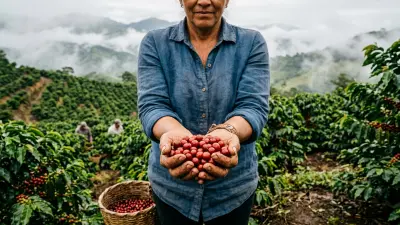
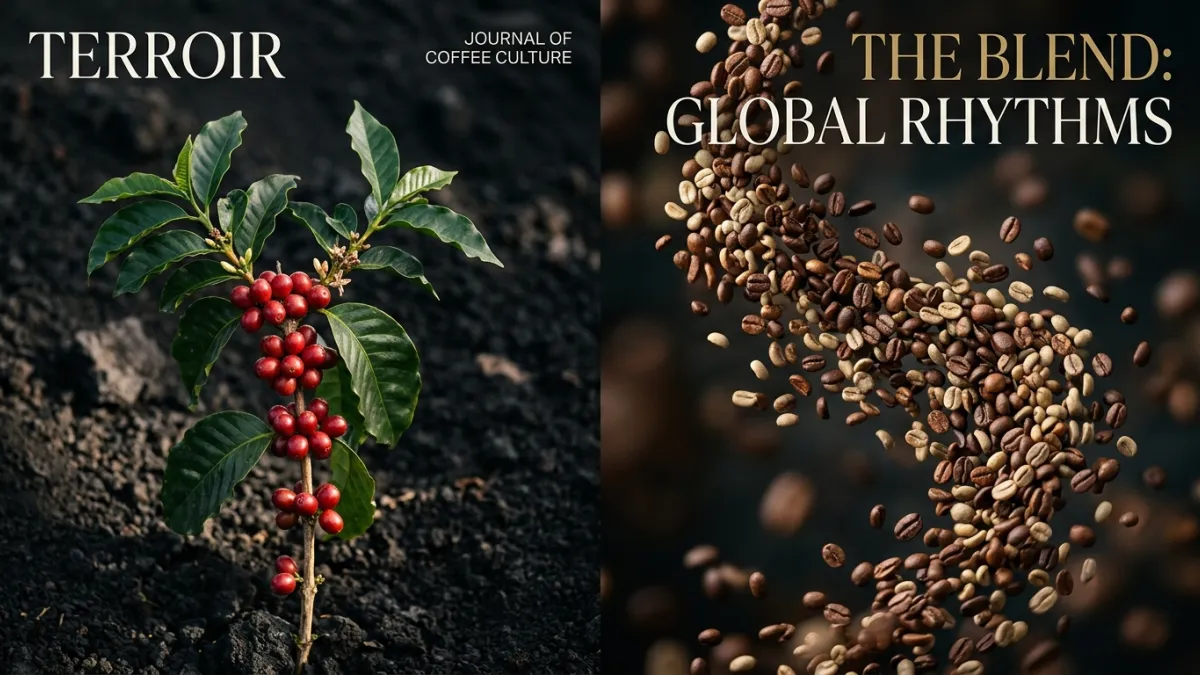
single origin coffee refers to beans sourced from a single, identifiable geographical location. This could mean a specific farm, a particular cooperative, or even a distinct region within a country. The key characteristic is its traceability and the notion that its flavor profile is a direct reflection of its unique terroir – the combination of soil, climate, altitude, and processing methods inherent to that specific place.
- Flavor Profile: single origin coffees are celebrated for their distinct, often complex, and nuanced flavors. You might encounter notes of bright citrus, delicate florals, specific fruits, or unique spice notes that are a direct result of their origin. They tend to showcase the inherent characteristics of the varietal and region without modification.
- Consistency: Due to their singular source and often seasonal availability, single origin coffees can offer less batch-to-batch consistency compared to blends. Their unique profiles can also be more susceptible to slight variations depending on the roast and brew method.
- Transparency & Education: They offer a wonderful opportunity to explore the global map of coffee and understand how different regions and processing methods impact flavor. You often know the exact farm, producer, and processing details.
- Ideal for: brewing methods that highlight clarity and nuance, such as pour-over, AeroPress, or Chemex. These methods allow the delicate flavors to shine without being overwhelmed.
Understanding Blended Coffee
In contrast, blended coffee is a combination of two or more different single origin coffees. These beans can come from various countries, regions, or even different farms within the same region. The art of blending lies in carefully selecting and combining different beans to achieve a desired flavor profile, balance, and consistency that might not be possible with a single origin alone.
- Flavor Profile: Blends are crafted for balance, complexity, and often a specific purpose. Roasters combine beans to achieve a well-rounded cup, perhaps balancing acidity with body, or adding sweetness to a bold base. Espresso blends, for instance, are specifically designed to perform well under the high pressure of an espresso machine, producing rich crema and a robust flavor that cuts through milk.
- Consistency: One of the primary advantages of blends is their consistency. Roasters can adjust the ratios of different beans throughout the year to maintain a consistent flavor profile, even as individual components become unavailable or change slightly.
- Versatility & Forgiveness: Blends are often more forgiving in brewing and can be incredibly versatile. Their balanced nature makes them excellent for a wide range of brewing methods, from espresso to French press to drip coffee.
- Ideal for: espresso machines, drip coffee makers, and French press, where a robust, consistent, and balanced flavor is desired. They're also great for those who prefer a less extreme or more approachable flavor profile.
Which Should You Choose?
The "better" choice isn't about objective quality; it's about personal preference, brewing goals, and what you seek in your coffee experience. Here's how to decide:
- Consider Your Taste Preferences:
- For Nuance & Specificity: If you love dissecting flavors, enjoy exploring the unique characteristics of different regions, and appreciate bright acidity or delicate floral notes, single origins are your go-to.
- For Balance & Robustness: If you prefer a well-rounded, consistent, and often bolder cup, perhaps with chocolatey or nutty undertones, blends are likely to satisfy.
- Match Your Brewing Method:
- Single Origin: Shines in methods like pour-over, Chemex, AeroPress, or Siphon, which emphasize clarity and highlight subtle flavors.
- Blended Coffee: Excels in espresso, French press, and automatic drip brewers, providing a consistent, full-bodied extraction.
- Think About Consistency vs. Exploration:
- Consistency: If you want your morning cup to taste the same every day, a well-crafted blend is your best bet.
- Exploration: If you enjoy variety and learning about the world of coffee, single origins offer an endless journey.
- Budget: While not a strict rule, premium single origin beans, especially rare varietals or those from micro-lots, can sometimes be more expensive due to their limited supply and specific processing. Blends can often offer excellent value while delivering great flavor.
The Verdict: Embrace Both!
Ultimately, there's no single "right" answer. Both single origin and blended coffees offer unique and rewarding experiences. We encourage you to experiment! Start your week with a consistent, comforting blend for your daily espresso, and then spend your weekend exploring a vibrant single origin through a pour-over. By trying both, you'll not only discover your personal preferences but also deepen your appreciation for the incredible diversity of the coffee world. Happy brewing!