Disclosure: As an Amazon Associate, we earn from qualifying purchases.
Few morning disappointments rival taking a eager sip of freshly brewed coffee only to be met with a harsh, puckering bitterness. While many people assume that coffee is naturally supposed to taste dark and astringent, a well-crafted cup should actually offer a balanced harmony of natural sweetness, crisp acidity, and rich aromatic notes. When bitterness dominates your cup, it is rarely a defect of the coffee plant itself, but rather a sign that something went wrong during the brewing process. By making a few methodical adjustments to your home coffee routine, you can easily transform a harsh brew into a smooth, café-quality beverage.Quick answer: coffee tastes bitter primarily due to over-extraction, which happens when water dissolves unwanted astringent compounds from the grounds. You can instantly fix this by using a coarser grind size, lowering your water temperature to between 195°F and 205°F, and shortening your total brewing duration.
Understanding Over-Extraction and Coffee Chemistry
To eliminate bitterness, you must first understand the chemical extraction process that occurs whenever water meets ground coffee. coffee beans contain hundreds of soluble compounds, including fruit acids, sugars, organic lipids, and bitter plant polyphenols. As hot water flows through the coffee bed, these compounds do not dissolve at the same rate. Acids and bright fruity flavors dissolve first, followed by sweet sugars and heavy oils, while harsh, bitter compounds like chlorogenic acid lactones and phenylindanes extract last.
When your extraction is balanced, you capture the ideal window where acidity, sweetness, and body harmonize without reaching the late-stage bitter compounds. Over-extraction occurs when water remains in contact with the coffee grounds for too long, at too high a temperature, or through an excessively fine particle size. According to specialty coffee Association (SCA) standards, optimal extraction yields between 18% and 22% total dissolved solids from the grounds into your cup. Exceeding this range almost always pulls out intense, dry bitterness that masks all pleasant flavors.
Under-extraction represents the opposite problem, where coffee tastes thin, sour, and salty because water did not have enough contact time to extract sugars. Mastering home brewing is simply the art of steering your variables directly into the center sweet spot. By systematically adjusting variables one by one, you gain complete control over flavor balance and can banish unwanted bitterness forever.
7 Practical Fixes to Eliminate Coffee Bitterness
1. Switch to a Coarser Grind Size
Grind size serves as the primary dial for controlling extraction speed. When you grind coffee too finely, you dramatically increase the surface area exposed to water. Fine particles create tight pathways, causing water to pass through slowly while aggressively dissolving bitter compounds from every tiny fragment. If your poured water stalls or pools on top of the filter bed, your grind is undoubtedly too fine.
To fix this, adjust your grinder setting toward a coarser particle size. For pour-over methods like the Hario V60 or Chemex, target a medium-coarse texture resembling sea salt or coarse sand. For immersion tools like the French press, use coarse particles similar to kosher salt. Using a quality burr grinder, such as the Baratza Encore or Fellow Ode, ensures uniform particle size and prevents fine dust from over-extracting while larger boulders under-extract.
Fix #1: Stop Over-Extracting Fines with a Conical Burr Grinder

2. Lower Your Water Temperature
Water temperature acts as a thermal accelerator for chemical extraction. Scalding water dissolves solubles at an alarming rate, drawing out harsh polyphenols before delicate sugars have time to balance the beverage. Boiling water straight off the stove sits at 212°F (100°C), which is far too aggressive for medium and dark roast coffee beans.
The ideal brewing temperature range recommended by specialty coffee professionals is 195°F to 205°F (90°C to 96°C). Dark roasts benefit from even cooler temperatures around 185°F to 190°F (85°C to 88°C) because their cellulose structure is already highly porous from roasting. If you do not own a variable temperature kettle like the Fellow Stagg EKG, simply boil your kettle and let it rest on the counter off the heat for 45 to 60 seconds before pouring.
3. Reduce Your Brew Time
Contact time dictates how long water acts upon the coffee solids. The longer water sits against the grounds, the deeper into the cellular matrix it penetrates, eventually pulling out stubborn bitter elements. Over-steeping in a French press or allowing a pour-over draw-down to drag on past four minutes guarantees an astringent finish.
Keep strict track of your brewing time with a digital timer or precision coffee scale like the Acaia Pearl. Aim for a total draw-down time of 2:30 to 3:30 minutes for single-cup pour-overs. For a standard 4-minute French press steep, plunge promptly at the four-minute mark or use a decanting vessel immediately so the coffee does not sit on the settled sediment and continue extracting.
Barista's tip: Fine coffee dust retained in cheaper blade grinders or old burrs quickly creates severe bitterness through channeling. If your pour-over brews taste both sour and bitter simultaneously, your grinder is likely producing an uneven mix of micro-fines and large chunks. Purging your grinder regularly and upgrading to consistent steel burrs makes a bigger flavor difference than changing your water or coffee beans.
4. Fine-Tune Your Coffee-to-Water Ratio
Fix #2: Stop Scorching Beans with a Temperature-Controlled Kettle

Using improper proportions confuses your brew chemistry. Counterintuitively, using too little coffee grounds for a large volume of water causes extreme bitterness. When there are not enough coffee grounds present, every single gram of coffee gets overworked by the excess water volume, resulting in complete over-extraction of bitter compounds.
Adhere to the standard "Golden Ratio" of 1:15 to 1:17 (grams of coffee to grams of water). For an optimal daily pour-over, dose 18 grams of coffee to 300 grams of water (a 1:16.6 ratio). Measuring grounds and water precisely by weight using a digital scale eliminates guesswork and ensures consistent strength without pulling harsh flavors.
5. Upgrade Your Water Quality
A cup of brewed coffee consists of roughly 98.5% water, meaning your local tap water plays a massive role in taste. Heavy tap water containing high chlorine levels, iron, or excessive calcium carbonates reacts with organic acids, neutralizing sweetness and emphasizing medicinal bitterness. Conversely, distilled or reverse-osmosis water lacking all mineral content produces hollow, flat, and unpleasantly sharp tasting cups.
Use filtered water containing balanced mineral levels. Simple carbon filtration pitchers like Brita reduce chlorine and off-odors significantly. For serious home baristas, using third-wave water mineral packets added to distilled water recreates the exact mineral profile specified by the SCA (around 75–150 ppm total dissolved solids with balanced calcium and magnesium content) to highlight natural bean sweetness.
6. Choose Fresh, Lighter Roasted Beans
Dark roast coffee beans are roasted to high temperatures, burning off natural sugars and developing heavy carbon oils on their surface. While some enjoy dark chocolate and smoky notes, excessively dark roasts taste inherently bitter and rubbery due to pyrolytic breakdown during roasting. Furthermore, stale coffee that has sat on a pantry shelf for months develops oxidized oils that taste rancid and astringent.
Purchase fresh, high-altitude Arabica beans from local specialty roasters featuring a visible "roast date" printed on the bag. Aim to consume beans within 7 to 30 days of their roast date when carbon dioxide degassing has stabilized. Try switching to medium or light-medium roasts, which showcase origin characteristics, crisp citric acidity, and brown sugar sweetness rather than heavy roast bitterness.
7. Thoroughly Clean Your Brewing Gear
Fix #3: Ditch Burnt Dark Roasts for Naturally Sweet Medium Roasts

Old coffee oils collect rapidly inside portafilters, French press mesh filters, carafe spouts, and drip machine baskets. Over time, these trapped organic oils oxidize, turn rancid, and bake onto warm surfaces. Every new pot of hot coffee passing over these stale residues dissolves rancid bitterness directly into your cup, regardless of how perfectly you execute the rest of your brew.
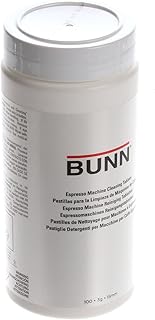
Establish a strict cleaning schedule for all your brewing gear. Disassemble French press filters weekly and wash them with warm, soapy water. Use specialized coffee detergent powders like Cafiza or Biocaf to break down stubborn baked-on coffee oils from metal and glass surfaces. Descale drip machines monthly with an organic citric acid solution to clean internal heating elements.
Brewing Method Adjustment Guide
Different brewing devices require distinct operational tweaks to prevent over-extraction. The comparison matrix below provides recommended baseline parameters for popular home brewing tools to help you dial in a smooth, non-bitter cup.
| Brewing Method | Recommended Grind Size | Water Temp Range | Brewing Ratio | Target brew time |
|---|---|---|---|---|
| Pour-Over (V60 / Kalita) | Medium-Fine to Medium | 198°F – 203°F (92°C – 95°C) | 1:15 – 1:17 | 2:30 – 3:30 minutes |
| French Press | Coarse | 195°F – 200°F (90°C – 93°C) | 1:14 – 1:16 | 4:00 minutes (then decant) |
| AeroPress | Medium-Fine | 185°F – 195°F (85°C – 90°C) | 1:12 – 1:15 | 1:30 – 2:00 minutes |
| Home Drip Machine | Medium | 198°F – 205°F (92°C – 96°C) | 1:16 – 1:18 | 4:00 – 6:00 minutes |
| Espresso | Fine | 195°F – 201°F (90°C – 94°C) | 1:2.0 – 1:2.5 | 25 – 30 seconds |
Frequently Asked Questions
Can adding salt really remove bitterness from coffee?
Yes, adding a tiny pinch of sodium chloride (table salt) to a bitter cup of coffee can neutralize bitterness on a sensory level. Sodium ions block the bitter taste receptors on your tongue, allowing sweet and acidic flavors to come forward. While this is a quick emergency fix for bad office diner coffee, adjusting your grind size, water temp, and brew time is always preferable for high-quality beans.
Fix #4: Dissolve Rancid Coffee Oils with Urnex Cafiza
Why does my coffee taste both bitter and sour at the same time?
When coffee tastes bitter and sour simultaneously, you are experiencing uneven extraction caused by poor grind consistency or uneven water flow (channeling). Uneven particles mean fine dust over-extracts (bitter) while large chunks under-extract (sour). Switching from a blade grinder to a burr grinder and ensuring an even water pour using a gooseneck kettle resolves this issue.
Are darker roasts always more bitter than light roasts?
Dark roasts naturally carry more roasted bitterness due to prolonged thermal breakdown of sugars and organic acids during the roasting process. Light roasts preserve complex fruit acids and delicate sugars, yielding a brighter flavor profile. However, an improperly brewed light roast can still taste bitter if over-extracted with scalding water and excessive contact time.
Does milk or cream fix bitter coffee?
Adding dairy or plant milk masks bitter flavors because fats bind to polyphenols and coat your taste buds. The natural lactose sweetness in milk also balances astringent notes. While effective for casual consumption, relying on milk hides underlying extraction flaws that could easily be fixed by dialing in your brewing parameters.
If you want immediate results tomorrow morning, begin by weighing an 18-gram dose of fresh medium-roast beans, coarsening your grinder setting by two clicks, and letting your boiling kettle rest off the heat for one full minute before brewing. Making this single set of adjustments using a digital scale will instantly shift your extraction back into balance and eliminate harsh bitterness from your morning ritual.