Ever wonder why your favorite coffee shop’s brew tastes just right, while your home creation sometimes misses the mark? Often, the unsung hero (or villain) behind your cup’s character is the humble coffee filter. It might seem like a minor detail, but the material of your filter dramatically influences the flavor, body, and clarity of your coffee. As your barista friend, I’m here to demystify the world of coffee filters, helping you choose the perfect match for your brewing style.
Let's dive into the three main types: paper, cloth, and metal. Each has its unique personality and will leave a distinct impression on your beloved brew.
Paper Filters: For a Clean, Bright Cup
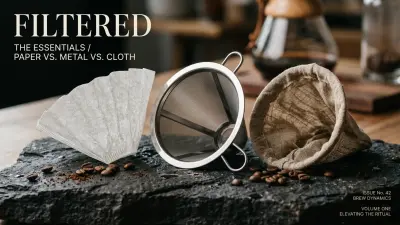
paper filters are by far the most common type, found in everything from automatic drip machines to sophisticated pour-over setups. They’re designed to trap even the finest coffee particles and oils, resulting in a very clean, bright, and sediment-free cup.
Pros of Paper Filters:
- Cleanliness: They effectively remove coffee fines and most of the coffee oils (lipids), leading to a very clean, crisp cup with distinct flavor notes. This is why they’re often preferred for lighter roasts and single-origin coffees where you want to highlight nuanced flavors.
- Convenience: Easy to use and dispose of, making cleanup a breeze.
- Availability: Widely available in various shapes and sizes (cone, flat-bottom, basket) for almost any brewer.
Cons of Paper Filters:
- Flavor Absorption: By filtering out oils, they can also remove some of the coffee's body and richness.
- Paper Taste: Unrinsed paper filters can impart a papery taste to your brew.
- Waste: They are single-use, contributing to landfill waste (though many are compostable).
Best For:
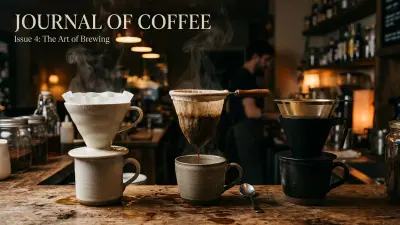
Automatic drip coffee makers, pour-over devices like the Hario V60, Chemex, Kalita Wave, and certain Aeropress setups where a clean, bright cup is desired.
Actionable Tip: Always, always, always pre-rinse your paper filter with hot water before adding coffee grounds. This washes away any potential paper taste and preheats your brewing device, ensuring a more stable brewing temperature.
Cloth Filters: The Eco-Friendly, Full-Bodied Option
Once a staple before paper filters became dominant, cloth filters (often made from cotton or hemp) are making a comeback, particularly among eco-conscious brewers and those seeking a unique cup profile.
Pros of Cloth Filters:
- Fuller Body: They allow more of the coffee's natural oils to pass through compared to paper, resulting in a richer, more viscous body while still filtering out most sediment.
- Reusable: Environmentally friendly as they can be washed and reused countless times.
- Unique Flavor: Offers a balance between the clarity of paper and the richness of metal, often described as a "silky" cup.
Cons of Cloth Filters:
- Maintenance: Requires diligent cleaning after each use to prevent oil buildup and rancidity, which can impart off-flavors. They often need to be stored in water in the fridge between uses.
- Slower Flow: Can brew slower than paper filters, requiring grind adjustments.
- Durability: While reusable, they eventually wear out and need replacing.
Best For:
Pour-over cones (like the Hario V60 or Chemex for a different take), some traditional drip coffee makers, and even cold brew setups where you want a cleaner concentrate without losing too much body.
Actionable Tip: After brewing, rinse your cloth filter thoroughly under running water until it runs clear. Squeeze out excess water and store it submerged in a small container of water in your refrigerator. This prevents bacteria growth and keeps it odor-free. Replace every few months or when it starts to show signs of wear or persistent off-flavors.
Metal Filters: For Max Body and Robust Flavors
Metal filters, often made of stainless steel mesh, are the go-to for brewers who love a robust, full-bodied cup with all the coffee oils intact. Think French press!
Pros of Metal Filters:
- Maximum Oils: They allow virtually all coffee oils and micro-fines to pass through, resulting in a very rich, heavy-bodied cup with intense flavors.
- Zero Waste: Completely reusable and extremely durable, lasting for years.
- No Paper Taste: Eliminates any concern of a papery taste.
Cons of Metal Filters:
- Sediment: Expect some fine sediment in your cup, especially towards the bottom. This is part of the experience for many but can be off-putting for others.
- Cleaning: Can be a bit harder to clean than paper, as fines can get trapped in the mesh.
Best For:
French Press (their primary domain), Aeropress (using a fine metal disc filter), some pour-over cones (often called "permanent filters"), and cold brew setups where a rich, unfiltered concentrate is desired.
Actionable Tip: If you're new to metal filters, especially for pour-over, embrace the sediment! It’s what gives these brews their characteristic body. For cleaning, a quick rinse immediately after use usually suffices. For stubborn clogs, a scrub brush and occasional soak in a cleaning solution (like diluted cafiza) can help.
Choosing Your Perfect Filter: It's All About Preference
So, which material is "best"? There's no single answer, as it truly depends on your taste preferences, desired convenience, and commitment to sustainability.
- If you crave a clean, bright, and nuanced cup with minimal sediment and easy cleanup, paper filters are your best bet.
- If you desire a full-bodied, silky cup that balances clarity with richness, and you don't mind a little extra maintenance for an eco-friendly option, consider a cloth filter.
- If a robust, heavy-bodied cup with maximum flavor and oils (and don't mind some sediment) is your ideal, then a metal filter is calling your name.
Don't be afraid to experiment! Many brewers have different filter types for different moods or coffee beans. Perhaps a paper filter for a delicate Ethiopian light roast and a metal filter for a bold Sumatran dark roast. Your brewing journey is all about discovery.
Understanding the role your filter plays is a significant step towards mastering your home brewing. Happy brewing, coffee lovers!