The Great Coffee Debate: Single Origin vs. Blended Beans
Walk into any specialty coffee shop or browse your favorite roaster's website, and you're likely to encounter two main categories of beans: Single Origin and blended coffee. For home coffee enthusiasts, especially those just starting their brewing journey, the choice can feel overwhelming. What's the difference? Does one taste better than the other? And most importantly, which one should you choose for your daily brew?
As your trusted barista friend, I'm here to demystify these terms and help you make an informed decision that suits your palate and brewing style. There's no single "better" option; it all comes down to what you're looking for in your cup.
What is Single Origin Coffee?
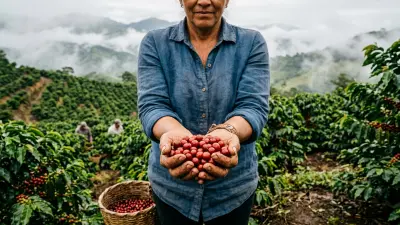
Imagine a wine that comes from a specific vineyard, or a craft beer made with hops from a particular farm. single origin coffee is much the same. It refers to coffee beans that come from a single, identifiable geographic location – be it a specific farm, a cooperative of farms, or a distinct region within a country. The key here is traceability and a direct link to its source.
Characteristics of Single Origin Coffee:
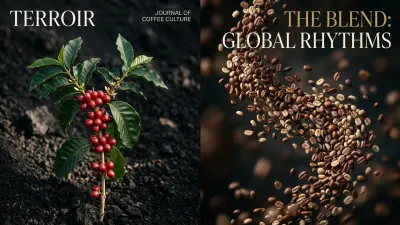
- Unique Flavor Profiles: single origin coffees are celebrated for showcasing the distinct characteristics of their terroir (pronounced "tare-WAHR" – the complete natural environment in which a particular coffee is produced, including factors like soil, topography, and climate). You might find notes of berries from an Ethiopian Yirgacheffe, rich chocolate from a Colombian Supremo, or bright citrus from a Kenyan AA.
- Seasonality: Like fresh produce, single origin coffees are often seasonal. This means availability can vary throughout the year, as roasters source beans from different harvests around the world.
- Transparency: You often know exactly where your coffee comes from, sometimes down to the specific farm or even the lot number.
Pros of Single Origin Coffee:
- Exploration of Flavors: Perfect for those who love to explore diverse and nuanced tastes. Each bag offers a new adventure.
- Appreciation of Terroir: A great way to understand how geography and processing influence coffee flavor.
- Support for Specific Farmers: Often associated with direct trade, which can benefit growers.
Cons of Single Origin Coffee:
- Inconsistency: Due to seasonality, your favorite single origin might not always be available. Flavor profiles can also vary slightly from batch to batch.
- Higher Price Point: Often more expensive due to smaller batch sizes, specific sourcing, and unique qualities.
- Can Be Polarizing: Some distinct flavors might not appeal to everyone, making it less of an "everyday" coffee for some.
Brewing Tip: Single origins often shine in brewing methods that highlight clarity and aroma, such as pour-over (e.g., Hario V60, Chemex), AeroPress, or French press. Lighter roasts are common for these beans to preserve their delicate notes.
What is Blended Coffee?
In contrast, blended coffee combines beans from multiple different origins. Roasters carefully select and mix beans from various regions, sometimes even different continents, to achieve a specific flavor profile that is consistent and often more balanced than a single origin.
Characteristics of Blended Coffee:
- Consistent Flavor: The primary goal of a blend is to create a consistent, repeatable taste profile. Roasters can adjust the ratios of beans to maintain the same flavor year-round, even if one component becomes unavailable.
- Versatility: Many blends are designed to perform well across different brewing methods, especially for espresso, where consistency and crema are key.
Pros of Blended Coffee:
- Reliability: You know what you're getting every time. Great for a consistent daily brew.
- Balanced Flavors: Offers a well-rounded taste that often appeals to a broader audience, frequently with notes like chocolate, nuts, and caramel.
- Cost-Effective: Generally more affordable than single origin coffees, offering good value for a quality cup.
- Espresso Friendly: Many blends are specifically crafted to excel as espresso, providing rich body and stable crema.
Cons of Blended Coffee:
- Less Traceability: While roasters know the origins, the individual components aren't always highlighted as much as with single origins.
- Less "Excitement" for Some: For those seeking adventurous, distinct flavors, a blend might seem less unique or complex.
Brewing Tip: Blends are incredibly versatile. They are often ideal for espresso machines due to their consistent performance, but also make excellent drip coffee, French press, and automatic brewers. Roasts can vary from medium to dark to achieve desired characteristics.
Single Origin vs. Blended: How to Choose Your Perfect Brew
Now that you understand the fundamental differences, how do you decide? Here's a quick guide based on your preferences:
Choose Single Origin if you:
- Love to explore: You enjoy discovering new and unique flavor notes (e.g., floral, fruity, winey).
- Appreciate nuance: You prefer a coffee that showcases specific characteristics of its origin.
- Brew manually: Methods like pour-over or Aeropress allow these beans to truly shine.
- Want traceability: You care about knowing the exact source of your coffee.
Choose Blended Coffee if you:
- Value consistency: You want a reliable, delicious cup every single morning.
- Prefer balanced flavors: You enjoy a well-rounded cup with notes like chocolate, nuts, and caramel.
- Brew espresso: Blends are often formulated to create excellent espresso shots with good crema.
- Add milk/sugar: A robust blend stands up well to additions without losing its character.
- Are budget-conscious: Blends often offer great quality at a more accessible price point.
- Use automatic brewers: Their consistent nature makes them ideal for various automatic machines.
Tips for Exploring Both
Don't feel like you have to pick a side forever! Many coffee lovers enjoy both. Here's how to explore:
- Start with smaller bags: Buy 8oz or 12oz bags to try different options without committing to a large quantity.
- Talk to your roaster/barista: They are a wealth of knowledge and can recommend specific single origins or blends based on your flavor preferences.
- Experiment with brewing: Try a single origin with a pour-over and a blend as espresso or in your drip machine to see how different beans perform.
The Final Sip
Ultimately, the choice between single origin and blended coffee is a personal one, driven by your taste buds and what you value in your daily cup. Single origins offer an exciting journey of discovery through unique and distinct flavors, while blends provide comfort, consistency, and balanced deliciousness. There's a whole world of coffee out there waiting for you to explore, one delightful cup at a time. Happy brewing!