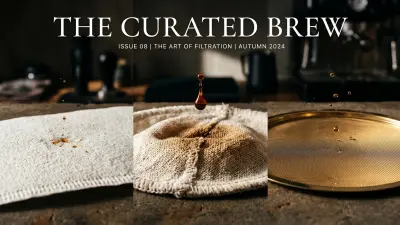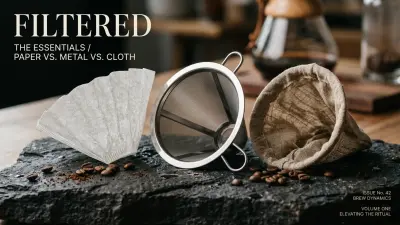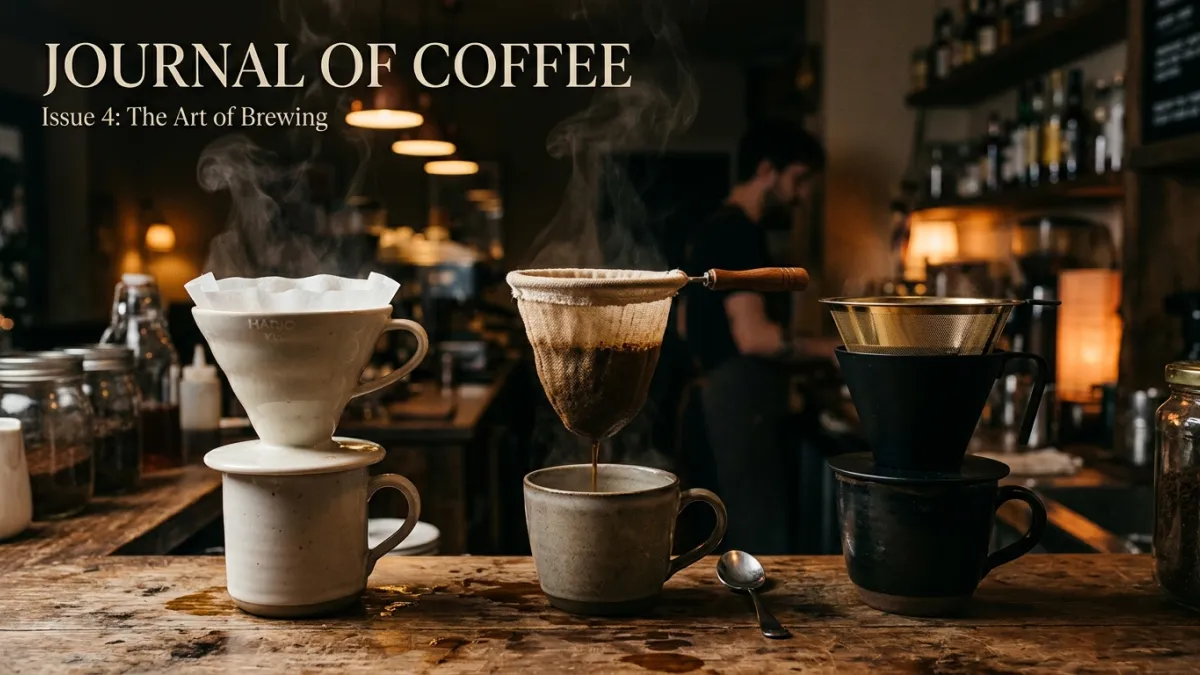
In the quest for the perfect cup, we often obsess over bean origin, roast level, grind size, and water temperature. Yet, a seemingly simple component—the coffee filter—plays a profoundly underestimated role in shaping your final brew. It’s the gatekeeper that determines what makes it into your cup, influencing everything from clarity and body to the presence of oils and sediment.
At coffee brew hub, we believe understanding every variable empowers you to master your coffee. So, let’s demystify the world of coffee filters, exploring the unique characteristics of paper, cloth, and metal, and helping you decide which is best for your brewing style and taste preferences.
Paper Filters: For the Cleanest, Brightest Cup
Paper filters are arguably the most common and widely recognized type, found in everything from drip coffee makers to sophisticated pour-over setups. Made from cellulose fibers, they are designed to trap coffee grounds and fines effectively.
Pros:
- Exceptional Clarity: Paper filters excel at removing all sediment and most coffee oils, resulting in a very clean, bright, and transparent cup. This allows delicate flavors and acidic notes to shine through.
- No Sediment: Enjoy a visually clear cup with no grittiness.
- Easy Cleanup: Simply discard the used filter and grounds.
- Widely Available: Easy to find in various shapes and sizes (cone, basket, wave).
Cons:
- Absorbs Oils: While good for clarity, paper also absorbs some beneficial coffee oils, which contribute to body and mouthfeel. This can lead to a lighter-bodied cup.
- Potential Papery Taste: If not pre-rinsed thoroughly with hot water, paper filters can impart an undesirable papery taste to your coffee.
- Environmental Impact: Disposable filters contribute to waste, though unbleached and compostable options are available.
Best For:
Paper filters are ideal for brew methods where clarity and brightness are paramount, such as Chemex (known for its thick filters), Hario V60, Kalita Wave, and most standard automatic drip coffee makers.
Cloth Filters: The Balanced, Reusable Choice
Cloth filters, often made from cotton or hemp, offer a middle ground between paper's clarity and metal's body. They have a long history, particularly in traditional "nel drip" methods (like the Hario Woodneck).
Pros:
- Balanced Body and Clarity: Cloth filters retain some coffee oils, resulting in a fuller body and richer mouthfeel than paper, but still filter out more fines than metal, offering a relatively clean cup.
- Reusable & Eco-Friendly: A sustainable option that reduces waste.
- Unique Flavor Profile: Can produce a sweet, nuanced cup with a silky texture that some connoisseurs adore.
Cons:
- Meticulous Cleaning Required: Cloth filters must be thoroughly rinsed and stored properly (sometimes even submerged in water in the fridge) to prevent oil buildup, bacterial growth, and off-flavors.
- Can Develop Off-Flavors: If not cleaned meticulously, residual oils can go rancid, imparting stale or bitter notes.
- Slower Flow Rate: Can be slower than paper filters, requiring a coarser grind.
Best For:
Cloth filters are perfect for those who enjoy a balanced cup with good body and minimal sediment. They are famously used in Hario Woodneck pour-overs (nel drip) and certain siphon coffee makers.
Metal Filters: For the Fullest Body and Boldest Flavor
Metal filters, also known as permanent filters, are typically made of stainless steel mesh or perforated metal. They are designed to allow almost all coffee oils and many micro-fines to pass through, resulting in a robust, full-bodied cup.
Pros:
- Maximum Body & Flavor: By allowing all coffee oils to pass, metal filters produce a rich, bold, and full-bodied cup with a pronounced mouthfeel.
- Zero Waste: As reusable filters, they are the most environmentally friendly option.
- Durable: Built to last, making them a one-time purchase.
Cons:
- Sediment in the Cup: Expect some coffee fines and sediment at the bottom of your cup, which some find undesirable.
- Can Mute Delicate Flavors: The abundance of oils and fines can sometimes overpower the more subtle, delicate notes of certain coffees.
- Cleaning: While durable, the fine mesh can sometimes be challenging to clean thoroughly, requiring brushing to remove trapped fines.
Best For:
Metal filters are synonymous with brew methods that celebrate a full-bodied, robust experience, such as the French press, AeroPress (especially with fine metal disc filters), and many built-in filters for automatic drip coffee makers.
Choosing the Best Filter for Your Brew
There's no single "best" filter; the ideal choice depends on your personal preferences, desired cup profile, and commitment to maintenance. Here’s a quick guide to help you decide:
- For a Super Clean, Bright Cup: Go with paper filters. Ideal for showcasing bright acidity and delicate floral notes. Remember to rinse them!
- For a Balanced Cup with Good Body and Clarity: Opt for a cloth filter. Perfect if you appreciate richness but want to minimize sediment, and are willing to commit to proper cleaning.
- For a Rich, Bold, Full-Bodied Experience: Choose a metal filter. If you love a robust cup with all the oils and don't mind a bit of sediment, this is your go-to.
Experimentation is key! Try brewing the same coffee with different filter types to truly understand their impact. You might find that some beans sing with a paper filter, while others reach their full potential through a metal or cloth filter. Your kitchen is your personal café, and mastering these nuances will elevate your brewing journey.
Ultimately, the best filter is the one that consistently delivers the cup you love the most. Happy brewing!