Paper vs. Reusable Coffee Filters: The Ultimate Brew-Off for Your Home Brew
Hey there, fellow coffee lover! As home baristas, we're constantly searching for ways to perfect our daily brew. One of the most fundamental choices, often overlooked, is the coffee filter itself. It might seem like a small detail, but whether you opt for paper or a reusable alternative can dramatically impact your coffee's taste, your wallet, and even the planet. Let's dive deep into the great filter debate, helping you decide which one is right for your brewing ritual.
Taste: What's in Your Cup?
The filter material plays a significant role in the flavor profile and mouthfeel of your coffee. It's all about what gets into your cup and what gets held back.
Paper Filters: Clarity and Brightness
- How they work: Paper filters are incredibly fine, designed to trap almost all coffee grounds and most of the natural oils (lipids) present in coffee.
- Taste profile: This results in a very clean, bright, and often sweeter cup with a lighter body. You'll notice distinct flavor notes more easily, as the oils that can sometimes mute nuances are removed. Think crisp acidity and a sparkling finish.
- Best for: Pour-over methods like the Hario V60 or Chemex, which are celebrated for their clean cups. drip coffee makers also traditionally use paper.
- Specifics: For pour-over, pre-wetting (rinsing) your paper filter thoroughly with hot water is crucial to remove any papery taste that can impart an unwanted flavor to your brew. Brands like Hario V60 filters and Chemex bonded filters are known for their quality and neutrality.
Reusable Filters: Full Body and Richness
reusable filters come in a few main types, each offering a slightly different experience:
- metal filters (e.g., stainless steel mesh, gold-tone):
- How they work: These filters have tiny perforations or a fine mesh that allows more of the coffee's natural oils and even some micro-fines (tiny coffee particles) to pass through.
- Taste profile: Expect a fuller-bodied cup with a richer, more robust flavor. The presence of oils contributes to a luscious mouthfeel and can enhance perceived sweetness and chocolatey notes. Some might detect a slight "muddy" quality due to the fines, but many appreciate the complexity.
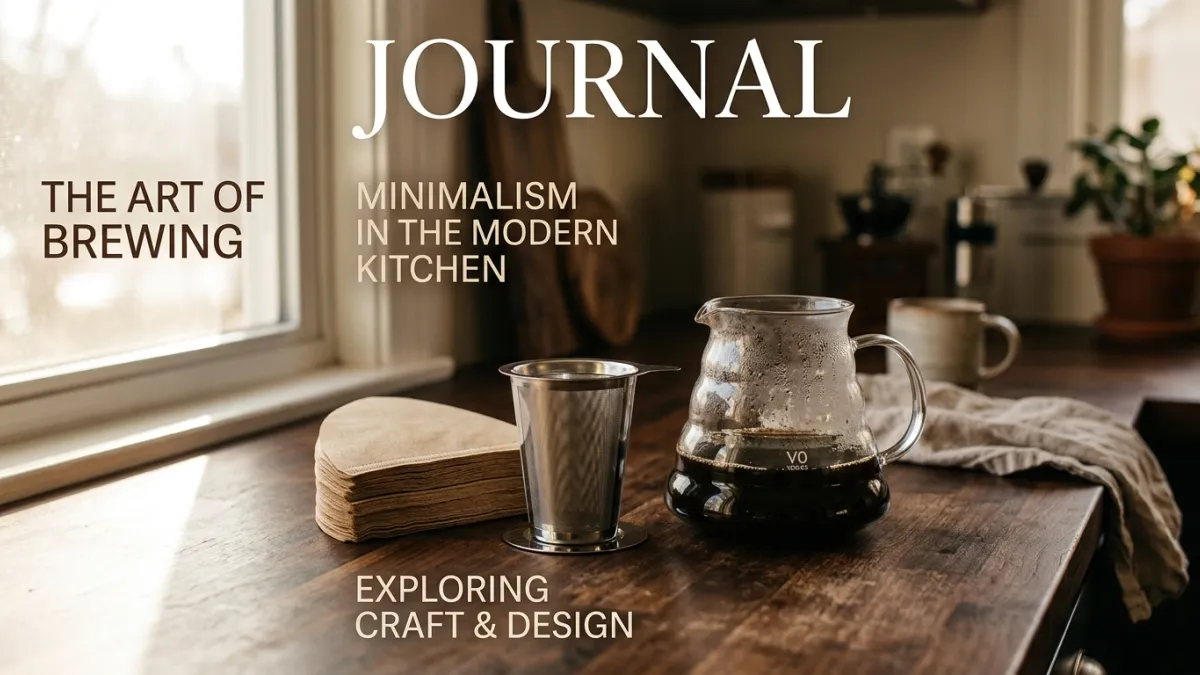
- Best for: French press (though technically a coarser mesh screen, it shares the principle), Aeropress (with a metal disc), or pour-over cones like the Able Kone for Chemex or other pour-over brewers. Many automatic drip machines come with a permanent gold-tone filter.
- cloth filters (e.g., cotton, hemp):
- How they work: Cloth filters offer a fascinating middle ground. They allow more oils through than paper but trap more fines than metal, thanks to the fabric's weave.
- Taste profile: These produce a very clean cup, similar to paper, but with a noticeable increase in body and a silky mouthfeel due to the oils. They tend to be less prone to muddying than metal filters.
- Best for: Traditional pour-over methods like the siphon coffee maker or specific pour-over drippers. Brands like CoffeeSock offer excellent reusable cloth filters.
- Specifics: Cloth filters require careful cleaning and storage (often in water in the fridge) to prevent souring or bacterial growth.
Cost: Investing in Your Daily Brew
The financial impact of your filter choice can add up over time.
Paper Filters: Low Upfront, High Ongoing
- Initial cost: Very low. A pack of 100 filters might cost you $5-$10.
- Long-term cost: This is where it adds up. If you brew one cup a day, that's 365 filters a year. At $0.05-$0.10 per filter, you're looking at $18-$36 annually, plus shipping if you buy online. Over five years, that's $90-$180.
- Convenience factor: Extremely convenient. Use it, toss it (or compost it!).
Reusable Filters: Higher Upfront, Low Ongoing
- Initial cost: Higher. A quality metal pour-over filter like the Able Kone can range from $30-$60. A good cloth filter set might be $15-$25.
- Long-term cost: Minimal. Once purchased, you typically only need to replace them every few years (metal filters last indefinitely with proper care, cloth filters might need replacing every 6-12 months depending on use).
- Payback period: A metal filter might pay for itself in 1-3 years compared to the cost of paper filters, and then it's essentially free brewing!
Sustainability: Brewing with a Conscience
For many, the environmental footprint is a major factor.
Paper Filters: The Disposable Debate
- Waste generation: Each filter is single-use, contributing to landfill waste.
- Resource consumption: Manufacturing paper filters requires trees, water, and energy. Many are bleached (chlorine bleaching is common, though oxygen-bleached or unbleached options exist).
- Compostability: Unbleached paper filters are generally compostable, especially if you rinse off most of the coffee grounds. This significantly reduces their environmental impact. Look for certified compostable options.
Reusable Filters: Reducing Your Footprint
- Waste reduction: This is their strongest suit. One reusable filter can replace hundreds, if not thousands, of paper filters over its lifespan.
- Resource consumption: While manufacturing reusable filters (especially metal) requires energy and resources, their extended lifespan typically makes them more sustainable overall compared to the continuous production and disposal of paper filters.
- Water usage: Keep in mind that cleaning reusable filters requires water. While not as significant as paper production, it's a factor in their overall environmental impact.
Which Filter is Right for You?
There's no single "best" filter; it truly depends on your priorities:
- Choose Paper if:
- You prioritize a super clean, bright, and sediment-free cup.
- You value ultimate convenience and minimal cleanup.
- You're willing to manage ongoing costs or want to compost your used filters.
- Choose Reusable if:
- You prefer a fuller-bodied, richer cup with more oils and potentially some fines.
- You want to significantly reduce your long-term brewing costs.
- You're committed to reducing waste and your environmental footprint.
- You don't mind a bit of extra cleaning and maintenance.
For some, having both is the answer! You might enjoy a crisp paper-filtered brew on Monday and a rich, metal-filtered coffee on Tuesday. Experimentation is part of the fun in the world of home brewing!
Final Thoughts from Your Barista Friend
The filter you choose is more than just a barrier for grounds; it's a tool that shapes your coffee experience. Whether you lean towards the sparkling clarity of paper or the robust richness of a reusable filter, the most important thing is that you enjoy the process and the delicious coffee it produces. Happy brewing, and feel free to explore different options to find your perfect match!