Elevate Your Brew: The Essential Guide to Espresso Machine Cleaning
As passionate home baristas, we know the magic that a perfectly pulled shot of espresso brings to our mornings. But just like any precision instrument, your espresso machine needs love and attention to consistently deliver that magic. Regular cleaning and maintenance aren't just about aesthetics; they're crucial for extending your machine's lifespan, preventing costly repairs, and, most importantly, ensuring every cup tastes as incredible as the first. Welcome to Coffee Brew Hub, where we empower you to master your coffee journey!
Leftover coffee oils, scale buildup, and milk residue can quickly turn your pristine machine into a breeding ground for off-flavors and blockages. Don't let your investment deteriorate or your espresso experience suffer. Follow this practical, step-by-step guide to keep your espresso machine pristine and performing at its peak.
Daily Rituals: After Every Use
These quick steps prevent immediate buildup and are essential for preserving the taste of your next shot.
- Wipe and Purge the Steam Wand: Milk residue can quickly bake onto your steam wand, creating a hygiene hazard and affecting steam quality.
- Wipe: Immediately after steaming milk, wipe the wand thoroughly with a damp cloth.
- Purge: Open the steam valve for a second or two to clear any milk from inside the wand. This also removes excess moisture.
- Rinse the Portafilter and Basket: Remove the portafilter from the group head and discard the spent coffee puck.
- Rinse the portafilter and basket under hot water to remove all coffee grounds and oils.
- Wipe them dry to prevent water spotting and mineral buildup.
- Flush the Group Head: Briefly run water through the group head (without the portafilter attached) to rinse away loose coffee grounds and oils.
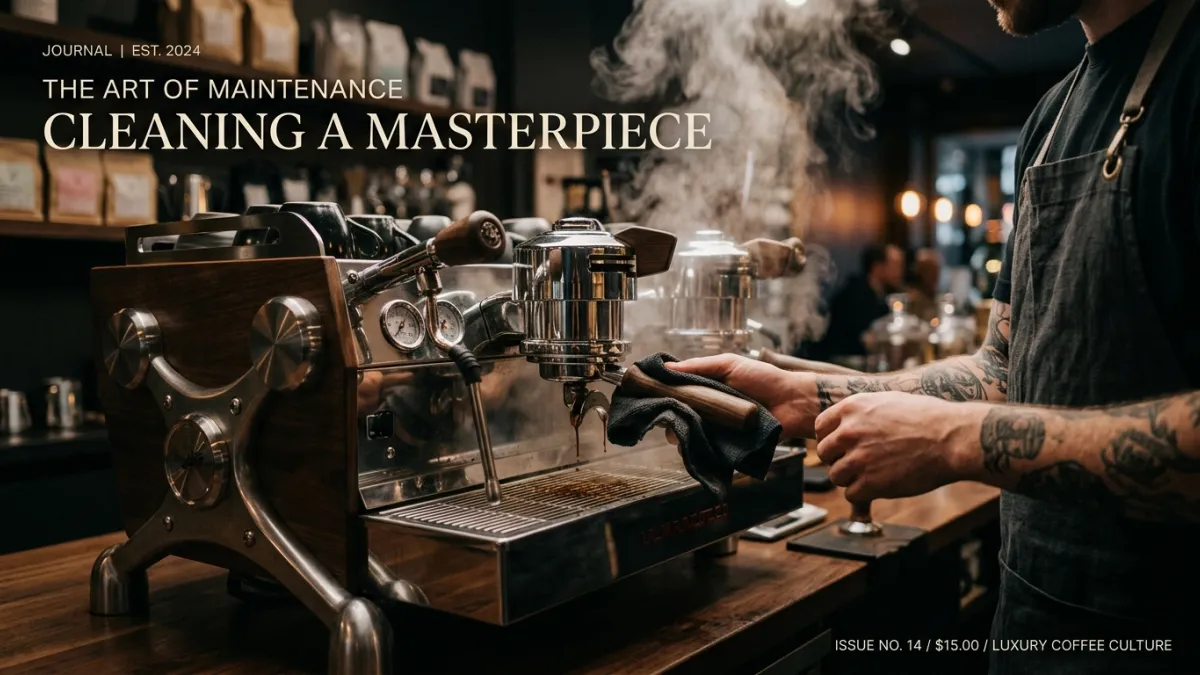
- Wipe Down the Machine: Use a clean, damp cloth to wipe down any coffee splashes or spills on the machine's exterior.
Weekly / Bi-Weekly Deep Clean: For Peak Performance
These steps tackle more stubborn buildup and ensure your machine's internal components remain clean.
- Backflushing (for Machines with a 3-Way Solenoid Valve): This is vital for cleaning the group head's internal pathways and preventing rancid coffee oil buildup.
- Insert Blind Basket: Replace your regular portafilter basket with a blind (backflushing) basket.
- Add espresso machine Detergent: Add a small amount (e.g., 1/4 teaspoon) of specialized espresso machine cleaning detergent (like Cafiza or Purocaff) into the blind basket.
- Engage & Release: Lock the portafilter into the group head. Engage the brew cycle for 10 seconds, then disengage for 10 seconds. Repeat this 5-6 times. You'll see dirty water flush out of the exhaust pipe.
- Rinse: Remove the detergent, rinse the blind basket, and repeat the backflushing process 5-6 times with just water to thoroughly rinse away any detergent residue.
- Deep Clean Portafilter and Baskets:
- Remove the basket from the portafilter.
- Soak both the portafilter (avoiding the handle if it's wood) and the basket in a solution of hot water and espresso machine detergent for 20-30 minutes.
- Scrub away any remaining residue with a brush, then rinse thoroughly.
- Clean the Shower Screen and Group Gasket:
- Use a group head brush to scrub the shower screen and the surrounding group gasket. Pay attention to any embedded coffee grounds.
- For a deeper clean, you might need to remove the shower screen (consult your machine's manual) and soak it with your portafilter.
- Clean the Drip Tray and Water Reservoir:
- Empty and wash the drip tray with warm, soapy water.
- Empty the water reservoir. If detachable, wash it with warm, soapy water. For internal reservoirs, wipe them down thoroughly.
- Ensure both are completely dry before reassembling.
Monthly / Quarterly Maintenance: Descaling for Longevity
Scale buildup from minerals in water is the silent killer of espresso machines. It restricts water flow, reduces heating efficiency, and can cause machine failure. descaling frequency depends on your water hardness and machine usage.
- Choose Your Descaler: Always use a descaling solution specifically designed for espresso machines (e.g., citric acid-based descalers). Avoid harsh chemicals like vinegar, which can corrode internal components in some machines.
- Follow Manufacturer's Instructions: This is critical! Descaling procedures vary greatly between machine brands and models.
- Typically, you'll dilute the descaling solution with water and fill the water reservoir.
- Run the solution through the brew group and steam wand according to the manual's instructions.
- After running the descaling solution, thoroughly rinse the reservoir and run several cycles of fresh, clean water through the machine to remove all descaler residue.
General Tips for Long-Term Espresso Machine Health
- Use Filtered Water: This is perhaps the single most important step to reduce scale buildup and improve the taste of your coffee.
- Inspect Gaskets and Seals: Regularly check your group head gasket and steam wand O-rings for cracks or wear. Replace them as needed to prevent leaks and maintain proper pressure.
- Wipe Down After Use: Don't let coffee spills or milk splashes sit and dry on your machine.
- Unplug When Not in Use: For long periods of inactivity, unplug your machine.
By integrating these cleaning and maintenance routines into your home barista practice, you're not just preserving a machine; you're preserving the integrity of your espresso. A clean machine is a happy machine, and a happy machine makes truly exceptional coffee. Keep brewing, Coffee Brew Hub enthusiasts!