What Exactly is Single Origin Coffee?
As passionate home baristas, we constantly seek to deepen our understanding and elevate our brewing craft. One of the most rewarding avenues for exploration is the world of single origin coffee. But what exactly does this term mean, and why is it so revered in the coffee community?
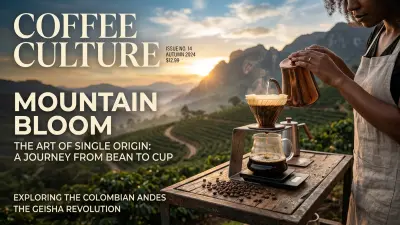
Simply put, single origin coffee refers to coffee beans sourced from a single, identifiable geographic location. This could be a specific farm, a particular cooperative, or even a distinct region within a country. Unlike coffee blends, which combine beans from various locations to achieve a consistent flavor profile, single origin coffees celebrate the unique characteristics inherent to their birthplace. The beauty of single origin lies in its traceability and transparency, allowing you to connect directly to the origin and the intricate story behind your cup.
The Magic of Terroir: Where Flavor Begins
The concept of terroir, borrowed from the wine world, is fundamental to understanding single origin coffee. It encompasses all the environmental factors that contribute to the unique flavor profile of the coffee bean. Imagine the difference between two apples grown on opposite sides of a mountain; coffee is no different. Terroir is the sum of:
- Climate & Altitude: High altitudes and specific temperature ranges often lead to slower cherry maturation, resulting in denser beans with more complex sugars and acids.
- Soil Composition: The mineral content and nutrient levels in the soil directly impact the coffee plant's health and the bean's development.
- Coffee Varietal: Different species and varieties (e.g., Arabica vs. Robusta, Bourbon vs. Gesha) naturally possess distinct genetic flavor profiles.
- Processing Methods: How coffee cherries are processed after harvest (washed, natural, honey) significantly influences the final taste, body, and aroma.
At Coffee Brew Hub, we believe appreciating terroir is key to truly mastering coffee, allowing you to anticipate and savor the nuances in every brew.
A World of Taste: Exploring Regional Flavor Profiles
The true joy of single origin coffee is embarking on a global flavor adventure. Each region offers a distinct palate that tells a story of its land and people. Let's dive into some prominent flavor profiles:
Africa: The Cradle of Coffee
- Ethiopia: Often considered the birthplace of coffee, Ethiopian beans are renowned for their incredible complexity. Expect vibrant floral notes (jasmine, bergamot), bright citrus acidity (lemon, lime), and delicate fruit flavors (blueberry, strawberry) in naturally processed coffees. Washed Ethiopians often boast a cleaner, tea-like body.
- Kenya: Kenyan coffees are celebrated for their bold, savory sweetness, intense blackcurrant notes, and sparkling acidity reminiscent of wine. They often have a rich body and complex fruitiness.
- Rwanda: Rwandan coffees frequently present a clean, bright profile with red fruit flavors (cherry, cranberry), caramel sweetness, and often a pleasant citrus zest.
Latin America: Balanced & Sweet
- Colombia: Famous for its consistently balanced cups, Colombian coffees often feature rich chocolate and caramel notes, nutty undertones, and a medium body with mild, pleasant acidity.
- Brazil: As the world's largest coffee producer, Brazil offers a vast range. Many Brazilians are natural-processed, leading to low-acidity coffees with prominent nutty, chocolatey, and caramel notes, often a heavier body, making them excellent espresso bases.
- Guatemala: Guatemalan beans frequently exhibit a full body, often with chocolate and nutty flavors, complemented by bright, clean acidity and sometimes spicy or floral undertones.
Asia-Pacific: Bold & Earthy
- Indonesia (Sumatra, Java): Indonesian coffees, particularly from Sumatra, are known for their distinct earthy, woody, and sometimes spicy notes (cedar, tobacco). They typically have a very full body, low acidity, and a lingering finish, often processed using the unique Giling Basah (wet-hulled) method.
- Vietnam: While largely known for robusta, specialty arabica from Vietnam is emerging, often showcasing chocolate, nut, and sometimes herbal notes, with a robust body.
Brewing for Clarity: Unlocking Single Origin Potential
To truly appreciate the unique nuances of single origin coffee, careful brewing is paramount. Because these beans are celebrated for their distinct characteristics, you'll want a brewing method that highlights clarity and allows their inherent flavors to shine. Pour-over, AeroPress, and French press are excellent choices. Experiment with grind size, water temperature, and brew time to find the sweet spot that brings out the best in each specific bean. Don't be afraid to adjust; a slightly coarser grind or a lower temperature might reveal hidden subtleties!
Embarking on Your Single Origin Journey
Exploring single origin coffees is a continuous journey of discovery. Start with a region that intrigues you, perhaps an Ethiopian for its wild fruitiness or a Colombian for its comforting balance. Pay attention to the roast level – lighter roasts typically preserve more of the origin's inherent acidity and delicate flavors, while darker roasts bring out more bittersweet and roasty notes.
At Coffee Brew Hub, we encourage you to savor the diversity, experiment with different origins, and let your palate be your guide. Each cup is an opportunity to travel the world from your kitchen.