Unlock the World of Flavor: Your Journey into Single Origin Coffee Tasting
As passionate home baristas and coffee enthusiasts, we’re constantly seeking to deepen our understanding and enjoyment of the brew. single origin coffees offer an incredible opportunity to explore the diverse tapestry of flavors the coffee world has to offer, each bean telling a unique story of its origin. But how do you move beyond simply "liking" a coffee to truly tasting it like a pro?
This comprehensive guide from coffee brew hub will empower you to identify and appreciate the nuanced characteristics that make each single origin special. Get ready to turn your kitchen into a personal café, equipped with the knowledge to discern the subtle notes that professionals cherish.
The Foundation: Preparing Your Palate and Environment
Before you even brew, setting the stage is crucial for an optimal tasting experience. Think of it as preparing your senses for a symphony of flavors.
- Cleanse Your Palate: Drink a glass of water before you begin. Avoid strong foods, chewing gum, or brushing your teeth immediately prior, as these can interfere with your perception of delicate flavors.
- Minimize Distractions: Find a quiet, well-lit space free from strong odors (like cooking or scented candles). Your focus should be solely on the coffee.
- Gather Your Tools: While professional cupping involves specific equipment, for a beginner, a simple setup works. You'll need:
- Your chosen single origin coffee beans (freshly roasted, ideally within 2-3 weeks).
- A reliable grinder (burr grinder is best for consistency).
- A brewing device (French Press is excellent for tasting as it allows full immersion and minimal filtration, or you can try a simple cupping method).
- Clean cups or bowls.
- A spoon for tasting.
- Hot water (just off the boil, around 200-205°F / 93-96°C).
- Mindset: Approach your tasting with curiosity and an open mind. There’s no right or wrong answer when you’re starting; it’s about what you perceive.
The Tasting Ritual: A Step-by-Step Guide to Professional Tasting
Now, let's dive into the sensory journey. We'll break down the tasting process into distinct stages, just like the pros do.
1. The Aroma: Before and After the Brew
Aroma plays a massive role in flavor perception. Your nose can detect thousands of scents.
- Dry Fragrance: Before brewing, grind your beans. Take a deep sniff of the dry grounds. What do you smell? Is it nutty, chocolatey, fruity, earthy, or floral? Note these initial impressions.
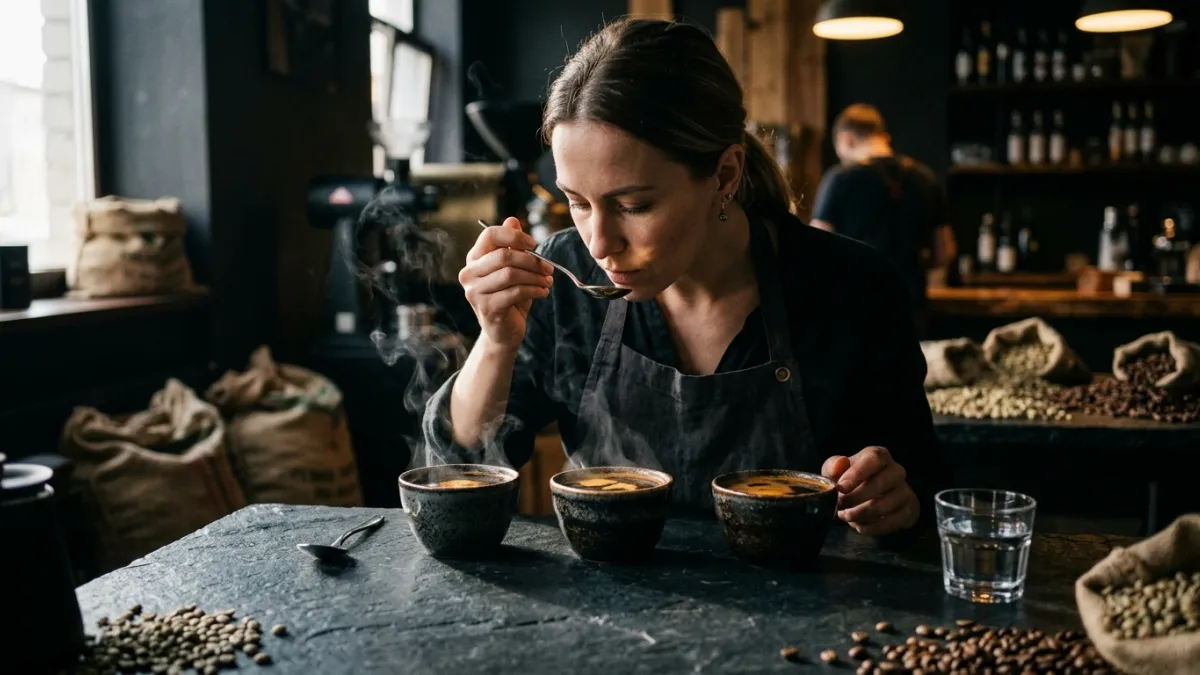
- Wet Aroma: After brewing (or after pouring hot water over the grounds if cupping), allow the coffee to steep for a few minutes. Break the crust (the layer of grounds on top) with your spoon and take another deep sniff. How has the aroma changed? Is it more intense? Are new notes emerging?
2. The Taste: Flavor, Acidity, Body, and Aftertaste
This is where the magic happens. Take a spoonful of coffee (if cupping) or a sip from your cup. The key is to slurp! Yes, slurp loudly. This aerates the coffee, spreading it across your entire palate and allowing your olfactory senses to fully engage.
- Flavor Notes: What are the dominant flavors? Are they bright and citrusy (lemon, orange), dark and rich (chocolate, caramel), sweet (honey, berry), spicy (cinnamon, clove), or savory? Don't be afraid to get specific. Use a coffee flavor wheel as a guide if you're stuck – it’s an invaluable tool.
- Acidity: This isn't sourness (which is usually a defect), but rather a pleasant brightness or tanginess that adds liveliness to the coffee. Is it crisp like an apple, sparkling like champagne, or juicy like a berry? High acidity is often a hallmark of high-quality coffee.
- Body (Mouthfeel): How does the coffee feel in your mouth? Is it light and tea-like, medium-bodied and silky, or full-bodied and creamy like warm milk? This refers to the texture and weight of the coffee.
- Sweetness: Is there a natural sweetness present? This can range from subtle honey notes to rich caramel or brown sugar.
- Aftertaste: After you swallow, what flavors linger on your tongue? Is the finish clean and short, or long and complex? Is it pleasant, bitter, or dry?
3. The Balance: Harmony in the Cup
Finally, consider the overall balance. Do all the elements – aroma, flavor, acidity, body, and sweetness – work harmoniously together? Does one aspect overpower the others, or is there a beautiful synergy?
Developing Your Palate: Practice Makes Perfect
Tasting like a pro is a skill that develops over time with consistent practice.
- Compare Side-by-Side: The best way to discern differences is to taste two or more single origins side-by-side. This highlights their unique characteristics.
- Keep a Tasting Journal: Jot down your observations for each coffee. Over time, you'll start to recognize patterns and develop your own descriptive vocabulary. Note the origin, processing method, roast level, and your personal flavor notes.
- Don't Be Afraid to Be "Wrong": There’s no definitive answer for what a coffee tastes like, especially when you’re learning. Your perception is unique. The goal is to articulate what you experience.
- Explore Processing Methods: Pay attention to whether the coffee is washed, natural, or honey-processed. These methods significantly impact the final flavor profile.
Your Personal Coffee Journey Awaits
Learning to taste single origin coffee like a pro is an incredibly rewarding journey. It elevates your daily ritual from a simple caffeine fix to a rich, sensory exploration. By following these steps, you'll not only deepen your appreciation for the craft of coffee but also empower yourself to make more informed choices, transforming your kitchen into a truly personal café. Keep experimenting, keep exploring, and most importantly, keep enjoying every delicious sip!