The Science of Coffee Extraction Explained
To consistently brew coffee that rivals your favorite local café, understanding coffee extraction is non-negotiable. Extraction is the process of dissolving desirable flavors from roasted grounds into water. Coffee beans contain roughly 30% soluble compounds, but extracting 18% to 22% yields the sweetest, most balanced cup.
When water meets coffee, compounds extract in a specific order: fruity acids first, followed by sweet sugars and oils, and finally bitter plant fibers. Under-extracted coffee tastes sour and weak because water didn't pull enough sugars out. Over-extracted coffee tastes dry and harsh because excessive contact time drew out bitter tannins.
Golden Ratios and Brewing Variables
Achieving a coffee brew with perfect balance requires precise control over four core variables: brew ratio, grind size, water temperature, and contact time.
- Brew Ratio: The standard specialty target is a 1:15 to 1:17 coffee-to-water ratio. For a standard 300 ml mug, use 18 grams of whole bean coffee to 300 grams of water.
- Water Temperature: Keep your water between 195°F and 205°F (90°C to 96°C). Boiling water (212°F/100°C) scorches delicate aromatics, while water below 190°F leads to under-extraction.
- Grind Size: Fine for espresso (1–2 minute extraction), medium-fine for pour-over (3–4 minutes), and coarse for French press (4–5 minutes).
Comparing Popular Coffee Brewing Methods
Different brew devices extract compounds at varying rates based on pressure, paper filtration, and immersion times. Here is how three popular home methods stack up:
| Brewing Method | Grind Size | Brew Time | Flavor Profile |
|---|---|---|---|
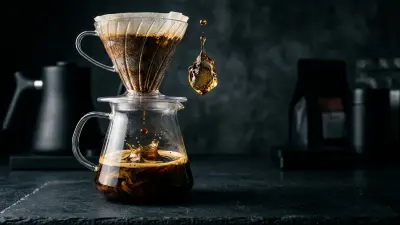
| Pour-Over (V60/Chemex) | Medium-Fine | 3:00–3:30 mins | Clean, bright acidity, high clarity |
| French Press | Coarse | 4:00 mins | Full-bodied, rich texture, heavy mouthfeel |
| AeroPress | Fine-Medium | 1:30–2:00 mins | Smooth, balanced, highly customizable |
Step-by-Step Guide to the Ultimate Pour-Over
To experience true brewhub coffee quality in your kitchen, follow this tested 4-step pour-over technique using an 18g to 300g ratio (1:16.6):
- Rinse and Preheat: Place a paper filter into your dripper and rinse it thoroughly with hot water to wash away paper taste and heat your vessel. Discard the rinse water.
- The Bloom (0:00 - 0:45): Add 18g of medium-fine coffee. Pour 50g of 200°F water in circular motions to saturate all grounds. Allow 45 seconds for carbon dioxide gas to escape. This expansion phase ensures even water flow later.
- Main Pours (0:45 - 2:00): Pour water in gentle, concentric circles until your scale reaches 180g. Allow the liquid to draw down slightly, then pour continuously until you hit 300g total weight.
- Drawdown (2:00 - 3:15): Give the slurry a gentle stir with a spoon or swirl the brewer once to settle the bed. Let the water pass completely through the coffee bed. The finished bed should look flat and uniform.
Troubleshooting Common Brew Flaws
If your cup falls short of coffee brewing pro standards, adjust one variable at a time based on these flavor cues:
If your coffee tastes excessively sour: The extraction was too low. Grind your beans finer, increase water temperature by 2–3°F, or extend the total pour duration to slow down flow rate.
If your coffee tastes astringent or bitter: The extraction was too high. Coarsen your grind size, reduce water temperature slightly, or shorten total drawdown time.
Frequently Asked Questions
What is the best water for brewing coffee?
Filtered or spring water containing 70–150 ppm (parts per million) total dissolved solids (TDS) is ideal. Tap water high in chlorine or heavy minerals negatively alters extraction and masks delicate flavor notes.
Why is blooming coffee necessary?
Freshly roasted coffee traps carbon dioxide inside the bean structure. The bloom releases this gas rapidly when water hits the grounds. Skipping the bloom prevents water from penetrating evenly, leading to channelled, inconsistent extraction.