For millions of us, that morning cup of coffee is a non-negotiable ritual that sets the tone for the entire day. However, while high-quality coffee beans offer natural antioxidants and complex flavor profiles, traditional ultra-processed commercial creamers can quickly turn an otherwise healthy beverage into a liquid dessert filled with hydrogenated oils, corn syrup solids, and artificial flavorings. Transitioning to a cleaner lifestyle does not mean sacrificing the velvety texture and richness that transforms a bitter drip coffee into a comforting café-style treat. By understanding ingredient labels and selecting mindful liquid or powder additives, you can enhance your daily brew without compromising your wellness goals.
Quick answer: The best healthy coffee creamers rely on simple, whole-food base ingredients like unsweetened almond milk, oat milk, or coconut cream, completely avoiding hydrogenated oils and refined sugars. For zero-sugar and keto diets, unsweetened almond-coconut blends like Nutpods offer exceptional mouthfeel without artificial sweeteners. If you prefer a richer, dairy-like density, unsweetened oat milk creamers deliver great micro-foam texture while maintaining a low glycemic impact.
Understanding what Makes a Coffee Creamer Truly Healthy
To determine if a product deserves a spot in your refrigerator, you must look past bright front-label marketing claims and dive straight into the nutritional panel. Standard commercial creamers frequently rely on partially hydrogenated trans fats or dipotassium phosphate to prevent curdlings in hot liquid, combined with high-fructose corn syrup to mask low-grade dairy or oil bases. A genuinely healthy creamer prioritizes minimal, recognizable ingredients that nourish your body rather than triggering inflammatory spikes. Look for simple bases derived from real almonds, coconuts, oats, or organic grass-fed dairy, ideally kept under 20 calories and zero grams of added sugar per serving.
Macro-nutritional balance plays a pivotal role in maintaining stable energy levels throughout your morning. When you add high-glycemic sugars to your morning espresso or filter coffee, you trigger a rapid blood glucose spike followed by a mid-morning energy crash that leaves you reaching for more caffeine. Incorporating medium-chain triglycerides (MCTs) from coconut oil or natural fats from nuts helps slow down the absorption of caffeine, providing a sustained, jitter-free energy release over several hours. Always cross-reference ingredient lists to ensure sweeteners come from natural, non-caloric sources like stevia leaf extract or monk fruit rather than synthetic compounds like sucralose or acesulfame potassium.
Digestive comfort is another major driver behind the shift toward modern plant-based formulations. Lactose intolerance affects roughly 65 percent of the global adult population, leading many coffee enthusiasts to experience bloating, indigestion, or inflammation from traditional heavy cream or skim milk additives. Switching to certified non-GMO, plant-based options eliminates lactose entirely while introducing beneficial plant fats and lower overall cholesterol risk. Whether you are following a strict ketogenic protocol, managing type 2 diabetes, or simply trying to lower daily calorie intake, natural whole-food creamer alternatives provide the ideal balance of functionality and nutritional integrity.
Comparing Top Dairy-Free and Low-Sugar Creamer Brands
The market for non-dairy, clean-label coffee additives has expanded rapidly over the past few years, giving home baristas access to café-quality textures straight from the grocery aisle. Leading brands have refined their processing methods to ensure these milks do not separate or curdle when hitting high-acid lighter roast coffees. Below is a detailed breakdown comparing popular options available on store shelves today based on their nutritional profiles, base ingredients, and key dietary fits.
| Brand & Product | Primary Base | Calories (per tbsp) | Sugar (g) | Best Dietary Fit |
|---|---|---|---|---|
| Nutpods Unsweetened | Almond & Coconut Cream | 10 | 0g | Keto, Paleo, Whole30 |
| Califia Farms Oat Barista Blend | Whole Grain Oats | 15-20 | 1-2g (natural) | Vegan, Dairy-Free Barista Style |
| Laird Superfood Original Powder | Coconut Milk Powder & Aquamin | 15 | 1g | Travel, Paleo, Functional Energy |
| Chobani Zero Sugar Creamer | Ultra-Filtered Milk / Cream | 15 | 0g | Low-Carb Dairy Lovers |
Among these top performers, Nutpods stands out as a dominant recommendation across online coffee forums like Reddit's r/coffee and health-focused communities. By combining almond milk for lightness with coconut cream for body, they eliminate the need for added sugar or synthetic thickening gums while mimicking the mouthfeel of half-and-half. Califia Farms takes a slightly different approach with their oat-based formulations, utilizing natural oat sugars to deliver an exceptionally smooth foam that steams beautifully for home-brewed lattes and dairy-free creamer recipes without overpowering the subtle origin notes of your roasted beans.
Functional powdered alternatives have also captured significant market share, particularly for frequent travelers and active morning routines. Laird Superfood incorporates freeze-dried coconut powder with calcified sea algae (Aquamin) to supply trace minerals alongside natural fats. Meanwhile, zero-sugar dairy options like Chobani’s ultra-filtered lines cater to traditionalists who want real dairy richness without the naturally occurring lactose sugars. When selecting among these elite options, weigh your desire for zero-sugar compliance against your preferred texture and brewing method to find your ideal match.
The Science of Mixing Creamers into Manual Specialty Coffee
Even the healthiest creamer can ruin a carefully crafted cup of coffee if added incorrectly, leading to feathering, flaking, or thermal degradation. When hot coffee interacts with cooler non-dairy liquids, the sudden change in temperature and acidity can cause plant proteins to coagulate, resulting in an unappealing curdled appearance. Light to medium roast specialty coffees naturally possess higher titratable acidity (pH 4.8 to 5.2) compared to darker commercial roasts, making them particularly prone to breaking down delicate almond or soy proteins upon contact.
Barista's tip: To permanently solve non-dairy creamer curdling in acid-forward pourovers like a V60 or Chemex, temper your creamer first. Pour 15-30 ml (1-2 tbsp) of room-temperature creamer into your mug, then slowly swirl in an equal amount of hot brewed coffee (brewed at 92-96 °C / 198-205 °F using an 18 g dose to 300 g water ratio). Once the creamer matches the coffee's temperature, pour in the remaining brew. This gentle thermal ramp-up prevents thermal shock and protein denaturation every single time.
Understanding brewing geometry and extraction metrics helps maximize the synergy between your beans and chosen creamer. When dialing in a full-bodied immersion brew like a French press (using a 1:15 coffee-to-water brew ratio with a 4-minute steep time), the resulting liquid contains higher levels of natural coffee oils (kahweol and cafestol). These natural lipids act as emulsifiers, helping integrate sugar-free powders and plant fats far more smoothly than ultra-clean paper-filtered pour-overs. Matching heavy plant oils with rich, medium-fine ground immersion brews creates an optimal textural harmony that satisfies without additional sweeteners.
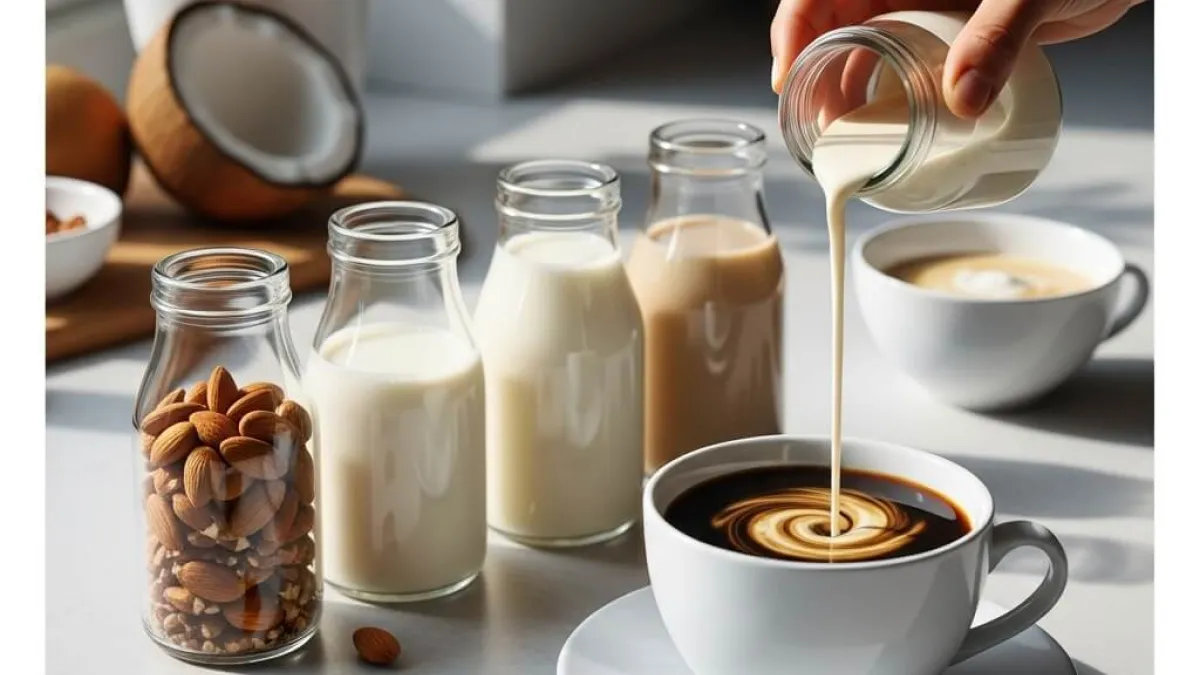
For espresso-based drinks, steaming or frothing your healthy creamer creates micro-foam that locks in flavor and aroma. When using a hand-held battery wand or milk steamer, aim for a sweet-spot temperature of 55–60 °C (130–140 °F) for plant milks, which is slightly lower than standard dairy steam targets (65 °C / 150 °F). Exceeding 65 °C destroys the protein structures in oat and almond matrices, causing the foam to instantly collapse into thin, watery liquid. temperature control is paramount to keeping your low-sugar lattes silky, aromatic, and visual appealing.
Evaluating Legacy Brands: Natural Bliss and Coffee-Mate
Consumers frequently ask whether commercial supermarket staples like Nestlé Natural Bliss or traditional coffee-Mate fit into a genuinely healthy lifestyle. The answer depends entirely on which specific line item you purchase from their extensive portfolios. Natural Bliss gained immense popularity by marketing a short ingredient list—typically just milk, cream, sugar, and natural flavorings. While this is a massive upgrade over synthetic oil-based products, standard flavored Natural Bliss bottles still pack up to 5 grams of added cane sugar per single tablespoon, which quickly adds up if you pour heavy-handedly into large mugs.
traditional coffee-Mate liquids and powders present significant nutritional drawbacks for health-conscious drinkers. The primary ingredients in standard Coffee-Mate formulations are water, sugar, and partially hydrogenated soybean or cottonseed oils, alongside mono- and diglycerides and artificial flavor agents. Consuming these refined fats daily introduces unnecessary trans-fatty acids and promotes systemic inflammation. Even their "Sugar-Free" lines substitute real sugar with artificial sweeteners like sucralose and corn syrup solids, which can negatively disrupt gut microbiome health and maintain sugar cravings long-term.
If you prefer the convenience and availability of standard retail brands, select products specifically labeled "Natural Bliss Unsweetened Plant-Based" or "Coffee-Mate Natural Bliss Oat Milk Unsweetened." These specific product SKUs bypass the harmful added sugars and vegetable oil bases while keeping the convenient pasteurized shelf stability of mass-market distributors. Always scan the ingredient panel for words like "hydrogenated," "dipotassium phosphate," or "sucralose" before assuming a bright green front label implies genuine health benefits.
How to Make Your Own Healthy Coffee Creamer at Home
Making a custom, fresh coffee creamer in your home kitchen gives you total control over every ingredient, calorie, and sweetener level. DIY recipes eliminate all industrial gums, preservatives, and synthetic emulsifiers while costing a fraction of premium retail brands. By blending a base of raw soaked nuts, healthy fats, and natural aromatic extracts, you can formulate a batch tailored precisely to your macro requirements and favorite roast profiles.
To craft a rich, low-carb base, soak 1 cup of raw organic cashews in hot water for 30 minutes, then drain and combine in a high-speed blender with 2 cups of filtered water, 2 tablespoons of coconut cream, 1 teaspoon of pure vanilla extract, and a pinch of fine Himalayan sea salt. Blend on high for 60 seconds until completely smooth without any grit. Because cashews blend fully into suspension, this recipe requires no strained nut milk bag filtering, yielding a velvety cream containing zero refined sugars and plenty of heart-healthy monounsaturated fats that lasts up to seven days in a sealed glass vessel in the refrigerator.
For seasonal flavor variations without calories, experiment with natural spice infusions directly during the blending phase. Add a half-teaspoon of ground Ceylon cinnamon and a dash of nutmeg for a clean autumnal profile, or incorporate pure raw cacao powder and a few drops of liquid monk fruit for a zero-sugar mocha cream. Using fresh, home-made plant creams elevates your daily morning pour while completely avoiding mysterious artificial processing agents found in store-bought bottles.
Clear Recommendation
If you are looking to make an immediate, effortless upgrade to your morning routine, start by replacing commercial sweetened creamers with an unsweetened almond-and-coconut liquid blend like Nutpods or an unsweetened oat milk option. Pour 15 to 30 ml directly into a medium-to-dark roast brew, or temper it gently into light-roast pour-overs to prevent curdling. This single swap completely eliminates added sugars, synthetic oils, and digestive triggers, allowing you to master healthy coffee brewing right from your home kitchen.
Frequently Asked Questions
Can I use unsweetened coconut milk as a direct 1:1 creamer replacement?
Yes, full-fat canned coconut milk or carton coconut cream serves as an excellent 1:1 replacement for traditional heavy cream. It adds healthy MCT fats and a rich texture, though it will impart a subtle coconut flavor to lighter roast coffees.
Why does my almond milk creamer curdle in hot coffee?
Curdling happens when the proteins in cold plant milk hit high temperatures and high acidity simultaneously. Pre-warming your creamer slightly or pouring a bit of warm coffee into the creamer to balance temperatures before filling the cup stops separation completely.
Are sugar-free commercial creamers safe for a keto diet?
They fit keto macronutrient ratios, but many rely on artificial sweeteners like sucralose or Acesulfame K, which can cause digestive issues for some people. Unsweetened creamers sweetened naturally with monk fruit or stevia are far better options for clean keto diets.
How long does homemade non-dairy creamer last in the fridge?
Because homemade plant creamers lack synthetic preservatives or stabilizers, they generally stay fresh for 5 to 7 days when kept stored in an airtight glass jar or bottle in the coldest section of your refrigerator.