Demystifying Decaf: Your Top Questions Answered
For many of us, the aroma of freshly brewed coffee is the ultimate morning ritual, a jolt of energy that kickstarts the day. But what about those times when you crave the rich taste of coffee without the caffeine rush? Enter decaf. Often misunderstood and sometimes unfairly maligned, decaf coffee has long been shrouded in myths, especially concerning its caffeine content. At coffee brew hub, we believe every coffee lover deserves to understand their brew inside and out. So, let’s pull back the curtain and debunk the most common decaf myths, focusing on the big question: is decaf coffee truly caffeine-free?
Is Decaf Coffee Truly 100% Caffeine-Free?
This is perhaps the most common misconception. The simple answer is: no, decaf coffee is not 100% caffeine-free, but it is very, very close. The U.S. Food and Drug Administration (FDA) stipulates that for coffee to be labeled "decaffeinated," at least 97% of its caffeine must be removed. This means a standard 8-ounce cup of decaf coffee typically contains anywhere from 2 to 15 milligrams of caffeine, compared to 95-200 milligrams in a regular cup.
So, while you won't get the same jolt as from a regular espresso, the trace amounts are generally negligible for most people, especially those sensitive to caffeine. It's designed to provide the coffee experience without the significant stimulating effects.
How is Caffeine Removed from Coffee Beans? What are the Methods?
The decaffeination process is a fascinating blend of science and art, typically occurring while the beans are still green (unroasted). There are several primary methods, all designed to selectively remove caffeine while preserving the coffee's inherent flavor compounds:
- Direct-Solvent Method: In this method, green coffee beans are steamed or soaked in hot water, then directly exposed to a chemical solvent like methylene chloride or ethyl acetate. The solvent bonds with the caffeine molecules. The beans are then thoroughly rinsed, steamed again, and dried to remove any solvent residue before roasting. While these solvents sound intimidating, strict regulations ensure that any residual amounts are well below safe limits.
- Indirect-Solvent Method: Similar to the direct method, but the beans never directly touch the solvent. Instead, they are first soaked in hot water to extract caffeine and flavor compounds. The water is then separated, and a solvent is added to this water to remove the caffeine. The now caffeine-free water (still containing the flavor compounds) is then returned to the beans for reabsorption.
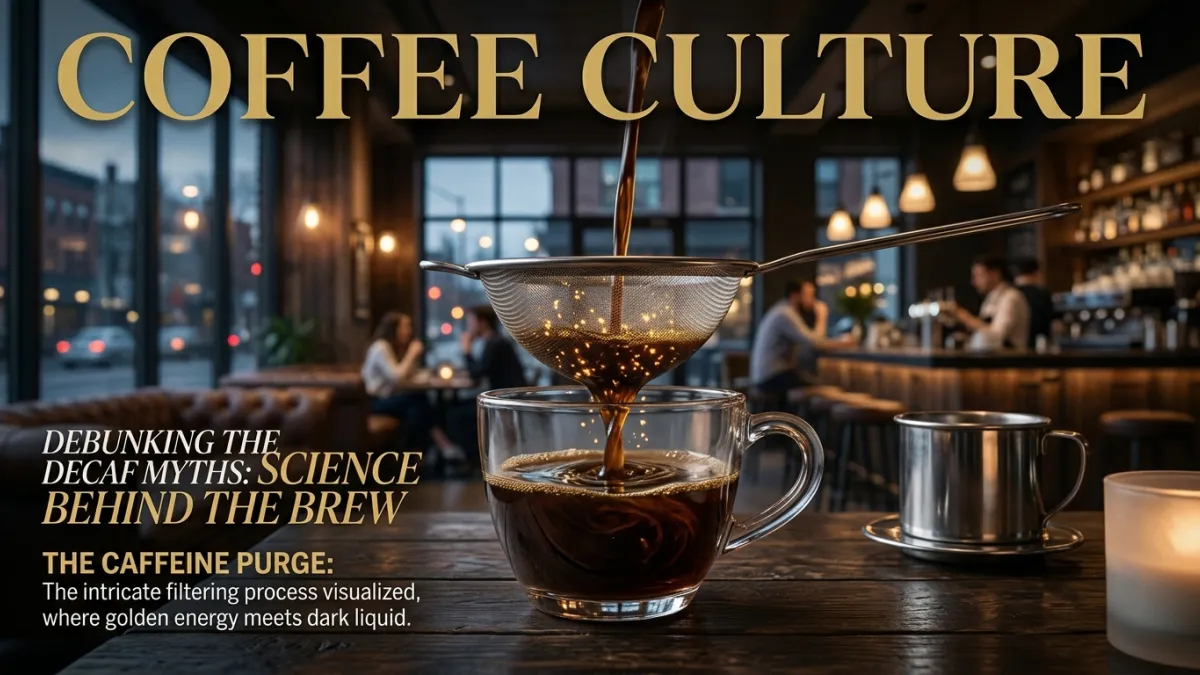
- Swiss Water Process (Water-Only Method): This is a popular solvent-free method. Green coffee beans are soaked in hot water, creating "flavor-rich green coffee extract." This extract then passes through activated charcoal filters that specifically trap only caffeine molecules. The caffeine-free extract is then returned to the beans to reintroduce their original flavor. This process is often favored for its natural approach and ability to maintain bean integrity.
- CO2 Process: This method uses supercritical carbon dioxide (CO2) – a state where CO2 acts as both a liquid and a gas. Green coffee beans are soaked in water and then placed in a high-pressure vessel with liquid CO2. The CO2 acts as a selective solvent, extracting caffeine molecules without significantly affecting the flavor compounds. The caffeine is then separated from the CO2, which can be reused. This method is also considered very clean and effective.
Each method has its nuances, but all aim for the same goal: great-tasting coffee with minimal caffeine.
Does Decaf Coffee Taste Different from Regular Coffee?
Historically, decaf often got a bad rap for its flavor, sometimes described as muted or slightly "off." This perception is largely outdated. While the decaffeination process can inevitably remove or alter some delicate flavor compounds, modern methods have become incredibly sophisticated. Many decaf coffees today offer a rich, complex flavor profile that rivals their caffeinated counterparts.
Factors influencing decaf taste include the original quality of the green beans, the decaffeination method used, and the skill of the roaster. A well-processed, high-quality decaf can be indistinguishable to many palates. At coffee brew hub, we encourage you to experiment! You might be surprised by the delicious decaf options available.
Are There Any Health Benefits to Drinking Decaf Coffee?
Absolutely! Decaf coffee retains most of the beneficial compounds found in regular coffee, including antioxidants like chlorogenic acids and polyphenols. These compounds are linked to various health benefits, such as reduced risk of certain chronic diseases, improved cognitive function, and anti-inflammatory effects.
The primary benefit, of course, is enjoying these advantages without the stimulating effects of caffeine. This makes decaf an excellent choice for:
- Individuals sensitive to caffeine, experiencing jitters, anxiety, or sleep disturbances from regular coffee.
- Pregnant or breastfeeding women, who are often advised to limit caffeine intake.
- Anyone who wants to enjoy multiple cups of coffee throughout the day or in the evening without affecting their sleep.
- People with certain medical conditions, like heart issues or acid reflux, where caffeine can exacerbate symptoms.
Is Decaf Coffee Safe to Drink?
Yes, unequivocally. Concerns about residual solvents from the decaffeination process are largely unfounded in the context of commercial decaf coffee. Regulatory bodies like the FDA in the U.S. and the European Food Safety Authority (EFSA) have strict limits on solvent residues in food products. The trace amounts, if any, found in decaf coffee are far below levels considered harmful.
The processing methods are designed to remove virtually all solvent, and what little might remain is typically measured in parts per million – negligible and poses no health risk. Enjoy your decaf with peace of mind!
Can I Still Enjoy the Ritual of Coffee Brewing with Decaf?
Without a doubt! The art of brewing coffee isn't solely about the caffeine kick; it's about the aroma, the process, the warmth, and the connection. Switching to decaf doesn't diminish the joy of grinding fresh beans, perfecting your pour-over technique, or savoring a perfectly extracted espresso.
For home baristas, decaf offers a fantastic opportunity to explore different roast profiles and origins, practice brewing methods, and craft delicious beverages for any time of day or for guests who prefer to skip the caffeine. It’s about empowering yourself to enjoy coffee on your own terms, transforming your kitchen into a personal café, regardless of the caffeine content.
Conclusion
Decaf coffee has come a long way, shedding its old stereotypes to become a delicious and healthful option for coffee lovers worldwide. While not 100% caffeine-free, its minimal caffeine content makes it an ideal choice for many, offering all the flavor and most of the benefits without the stimulant effects. So, next time you reach for a bag of beans, don't shy away from decaf. Embrace its versatility and discover a world of flavor without the jitters. Happy brewing from your friends at Coffee Brew Hub!