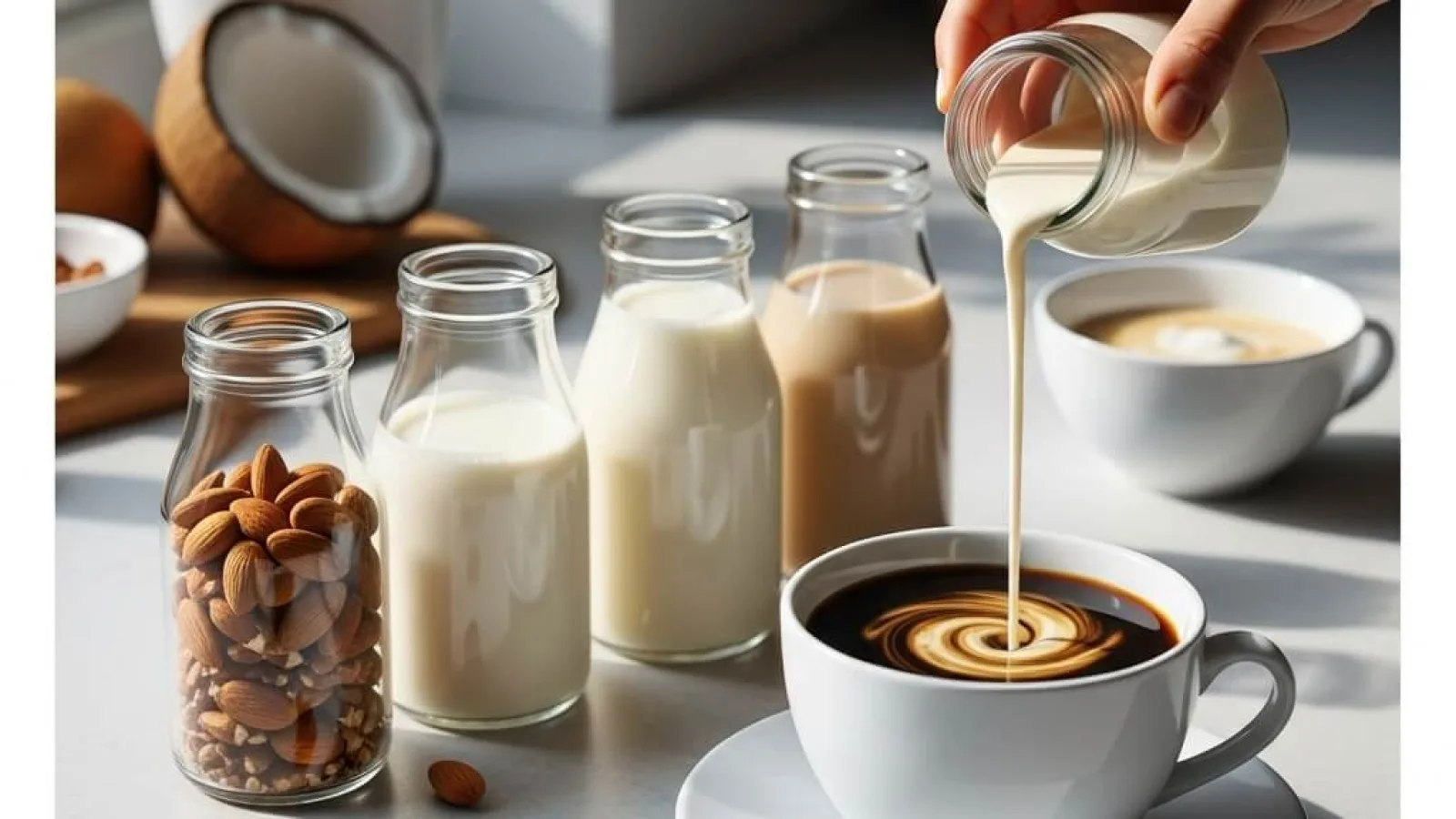
Elevate Your Mug: The Ultimate Creamer Showdown
For many coffee enthusiasts, the journey to the perfect cup extends beyond the brew itself—it often includes the creamy addition that transforms a simple drink into a comforting ritual. Whether you're a purist who enjoys the rich embrace of traditional dairy or an adventurer exploring the vast world of plant-based alternatives, the choice of creamer significantly impacts the overall taste and texture of your coffee. Here at coffee brew hub, we're dedicated to empowering your brewing mastery, and that includes understanding the nuances of your chosen add-ins. Let's dive deep into an unbiased comparison of dairy versus non-dairy coffee creamers.
Understanding Dairy Creamers: The Classic Choice
Dairy creamers, typically derived from cow's milk, have long been the gold standard for adding richness to coffee. They come in various forms, from whole milk and half-and-half to heavy cream and specialized coffee creamers.
Taste Profile
- Richness: Dairy creamers are renowned for their inherent richness and creaminess, which can mellow out coffee's acidity and bitterness.
- Sweetness: While unsweetened, dairy products contain natural lactose sugars, contributing a subtle sweetness that complements coffee without overpowering it.
- Flavor Enhancement: They tend to enhance the inherent flavors of coffee, allowing its complex notes to shine through a smooth, milky backdrop.
Texture and Mouthfeel
- Velvet Smoothness: Dairy creamers provide an unparalleled smooth, velvety mouthfeel. The fat globules and proteins in milk integrate seamlessly with coffee, creating a consistent emulsion.
- Body: They add significant body to the coffee, making it feel fuller and more luxurious on the palate.
- Frothing: Whole milk and half-and-half are excellent for frothing, creating stable, microfoam ideal for lattes and cappuccinos.
Exploring Non-Dairy Creamers: A World of Alternatives
The non-dairy creamer market has exploded, offering a plethora of options for those with dietary restrictions, ethical preferences, or simply a desire to experiment. These alternatives are typically plant-based, each bringing its unique characteristics to your brew.
Common Non-Dairy Types and Their Characteristics
- Oat Milk:
- Taste: Naturally sweet and remarkably neutral, making it a favorite for many. It doesn't typically impart a strong "oaty" flavor.
- Texture: Known for its exceptional creaminess and ability to foam beautifully, rivaling dairy milk for barista applications. It rarely curdles.
- almond milk:
- Taste: Often has a slightly nutty, sometimes subtly sweet, flavor. Unsweetened versions are very neutral.
- Texture: Thinner than oat or dairy milk. Can sometimes curdle in very hot or acidic coffee, especially lower-fat versions. Frothing can be challenging, often resulting in larger bubbles.
- Soy Milk:
- Taste: Can have a distinct "beany" flavor that some find noticeable, though many brands have minimized this. Often chosen for its protein content.
- Texture: Creamy and can froth well, creating a reasonably stable foam. It's also prone to curdling in acidic coffee if not formulated specifically for coffee.
- Coconut Milk:
- Taste: Imparts a noticeable coconut flavor, which can be delightful or divisive depending on preference.
- Texture: Varies greatly from thin "beverage" coconut milk to thicker "canned" versions. The former can be watery, while the latter can be very rich but also separate. Frothing is generally poor.
- Pea Milk (e.g., Ripple):
- Taste: Very neutral, often described as having no strong flavor, making it a good canvas for coffee.
- Texture: Surprisingly creamy and thick, often designed to mimic dairy milk's mouthfeel. It froths quite well and is less prone to curdling.
Key Comparison Points: Dairy vs. Non-Dairy
1. Flavor Impact
- Dairy: Generally neutral, enhancing coffee's inherent flavors with richness and a subtle sweetness.
- Non-Dairy: Each type brings its own flavor profile (nutty, oaty, coconut, beany), which can either complement or compete with the coffee's notes. Oat and pea milk often come closest to dairy's neutrality.
2. Texture & Mouthfeel
- Dairy: Unparalleled creamy, velvety smoothness, adding significant body.
- Non-Dairy: Varies widely. Oat and pea milk offer the closest approximation to dairy's creaminess and body. Almond and coconut milks tend to be thinner.
3. Frothing Potential
- Dairy: Whole milk and half-and-half are excellent for producing stable, fine microfoam for latte art.
- Non-Dairy: "barista blend" versions of oat and soy milk are specifically formulated to froth well, often containing stabilizers. Almond and coconut milks typically produce less stable, larger-bubbled foam.
4. Curdling Issues
- Dairy: Rarely curdles in coffee unless the milk is spoiled or the coffee is extremely acidic and scorching hot.
- Non-Dairy: More prone to curdling, especially almond and soy milk, particularly when added to highly acidic or very hot coffee. Barista blends are often buffered to prevent this.
5. Dietary & Health Considerations
- Dairy: Contains lactose (an issue for lactose intolerant individuals) and cholesterol. Offers calcium and protein.
- Non-Dairy: Lactose-free, cholesterol-free. Varies in calorie, fat, protein, and sugar content. Many are fortified with calcium and vitamins. Allergies (nuts, soy) are important considerations.
Making Your Choice: A Personal Journey
Ultimately, the "best" creamer is a matter of personal preference, influenced by taste, texture, dietary needs, and the specific coffee you're brewing. We encourage you to experiment!
- Consider your coffee: A light, acidic roast might pair well with a creamier, more neutral non-dairy option like oat milk to balance its brightness, while a dark roast might stand up better to the richness of dairy.
- Try "Barista Blends": If you love frothy drinks, seek out non-dairy milks specifically labeled "barista blend" or "for coffee" as they are formulated to perform better.
- Experiment with brands: Not all oat milks or almond milks are created equal. Different brands have varying formulations that impact taste and texture.
- Taste test: The only way to truly know is to try different options with your favorite brew.
Conclusion
Whether you stick with the timeless appeal of dairy or explore the innovative world of non-dairy alternatives, understanding their unique contributions to your coffee is key to unlocking your ideal cup. Both categories offer distinct experiences in terms of taste and texture, allowing for endless customization. So, go forth, experiment with confidence, and transform your kitchen into a personal café, one perfectly creamed cup at a time!