Disclosure: As an Amazon Associate, we earn from qualifying purchases.
Colombian coffee is widely celebrated across the world as the benchmark for balance, gentle acidity, and crowd-pleasing sweetness. However, treating Colombia as a single, uniform flavor profile misses the fascinating microclimates that define its vast mountain ranges. With three distinct cordilleras of the Andes splitting across the country, differences in altitude, volcanic soil, and precipitation create wildly diverse cup profiles from north to south. For home baristas, dialing in these regional characteristics with tailored brewing methods transforms an ordinary morning cup into a sensory journey through Latin America's premier coffee origin.
Quick answer: Colombian coffee spans three distinct flavor profiles based on geography: Southern regions like Huila and Nariño offer bright, fruit-forward, and floral acidity best extracted with pour-over cones like the Hario V60; Central regions like Antioquia present smooth chocolate and nut notes ideal for French press or drip; and Northern departments like Santander feature full-bodied, earthy notes perfect for espresso or Moka pot. Matching your brew method and grind size to the specific region ensures maximum sweetness and clarity.
The Foundations of Colombian Coffee Quality
Understanding why Colombian coffee tastes so refined starts with its unique agricultural infrastructure. Over 550,000 smallholder farming families cultivate coffee trees on small plots called fincas, usually spanning less than three hectares. The National Federation of Coffee Growers (Federación Nacional de Cafeteros, or FNC), established in 1927, has maintained strict quality control standards, research facilities, and national collection centers that guarantee high-grade Arabica exports.
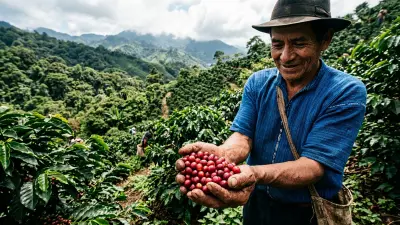
Most Colombian beans are harvested by hand due to steep mountain slopes that make mechanical harvesting impossible. This selective hand-picking ensures that only ripe, red cherries are collected. Additionally, Colombia predominantly utilizes the fully washed (wet) processing method. After harvesting, cherries are depulped, fermented in clean water tanks for 12 to 36 hours to break down mucilage, and sun-dried on raised beds or patio terraces. This processing technique cleanses the bean, highlighting crisp acidity, floral aromatics, and pristine cup clarity.
Botanical varietals play another crucial role in flavor development. While historic heirloom varieties like Typica and Bourbon established Colombia's global reputation, modern crops feature high-yielding, rust-resistant cultivars developed by Cenicafé—the FNC's research division. Today, Caturra, Castillo, and Colombia varieties sit side-by-side with rare micro-lots of Pink Bourbon and Gesha, offering an expansive playground for specialty coffee enthusiasts.
Exploring Colombia's Key Coffee Regions
Huila: The Sweet and Fruity Powerhouse
The Classic Balanced Profile: Don Pablo Colombian Supremo (Whole Bean)

Situated in southwestern Colombia where the Central and Eastern Andes meet, Huila is renowned for producing some of the world's most awarded micro-lots. Coffee farms in Huila sit between 1,400 and 2,000 meters above sea level. Warm daytime temperatures coupled with cool mountain nights slow down cherry development, allowing sugars to concentrate dense within the seed. Huila coffees deliver vibrant stone fruit flavors like peach and plum, balanced by panela (unrefined cane sugar) sweetness, juicy citrus, and a silky, medium body.
Nariño: High-Altitude Floral Clarity
Located in Colombia's extreme southwest along the border with Ecuador, Nariño features some of the highest coffee-growing elevations on Earth, reaching up to 2,300 meters above sea level. Cold Andean air currents at night force coffee trees into survival mode, producing dense beans packed with intense organic acids. In the cup, Nariño exhibits sparkling wine-like acidity, intoxicating jasmine aromatics, lemon zest, and a lingering sweetness reminiscent of white honey. It represents the most delicate and ethereal end of the Colombian flavor spectrum.
Antioquia: The Classic Daily Drinker
As the historical birthplace of commercial Colombian coffee production surrounding Medellín, Antioquia represents the traditional profile that built the country's reputation. Grown at lower to moderate altitudes between 1,300 and 1,700 meters, Antioquia coffees experience warm tropical weather. The resulting cup is comforting, deeply balanced, and incredibly consistent. Expect sweet milk chocolate, roasted almond, red apple, and a smooth, syrup-like body with low to medium malic acidity.
Santander: Bold, Earthy, and Low Acidity
In northeastern Colombia, Santander presents a stark contrast to southern growing zones. With drier conditions, abundant shade trees, and lower elevations ranging from 1,200 to 1,800 meters, Santander produces heavy-bodied beans with relaxed acidity. Cup characteristics lean heavily toward dark cocoa, toasted hazelnut, pipe tobacco, and subtle herbal spices. Santander beans are exceptionally suited for milk-based espresso drinks and full-immersion manual brews.
Barista's tip: High-altitude Colombian beans like those from Nariño and Huila are physically denser than lower-grown beans. Because dense beans resist heat and water absorption, dial in your grinder slightly finer—around 50 to 100 microns tighter—and use water heated to 94–96 °C (201–205 °F) to unlock complete extraction without sourness.
Top Single-Origin Specialty Pick: Volcanica Colombian Supremo

Regional Coffee Comparison Table
To help you choose the best beans for your personal taste preferences, here is a detailed technical overview of Colombia's primary coffee-growing regions:
| Region | Elevation (MASL) | Dominant Flavor Notes | Acidity Level | Recommended Brew Method |
|---|---|---|---|---|
| Huila | 1,400 – 2,000 m | Peach, Red Apple, Panela, Caramel | Medium-High (Vibrant) | Kalita Wave, AeroPress, V60 |
| Nariño | 1,700 – 2,300 m | Jasmine, Bergamot, Lemon, Honey | High (Sparkling) | Hario V60, Chemex |
| Antioquia | 1,300 – 1,700 m | Milk Chocolate, Hazelnut, Brown Sugar | Medium (Balanced) | French Press, Auto Drip |
| Santander | 1,200 – 1,800 m | Dark Cocoa, Toasted Nut, Herbal Spice | Low (Mellow) | Espresso, Moka Pot, French Press |
Brewing Techniques to Highlight Colombian Flavors
To extract the best flavors from high-grade Colombian coffee, home baristas must match their brewing variables—dose, water temperature, ratio, and grind size—to the physical characteristics of the bean. Following standard Specialty Coffee Association (SCA) brewing guidelines ensures consistent extraction yields between 18% and 22%.
Pour-Over Protocols for High-Elevation Coffees (Huila & Nariño)
For delicate floral and fruit-forward beans, pour-over drippers like the Hario V60 or Chemex offer unparalleled clarity. Paper filters trap fine insoluble oils, allowing bright acids and delicate aromatics to shine.
- Dose: 18.0 g whole bean coffee
- Water: 288 g filtered water at 95 °C / 203 °F (1:16 ratio)
- Grind Size: Medium-fine (approx. 500–600 microns, using burr grinders like Fellow Ode or Baratza Encore)
- Bloom Phase: Pour 50 g water, stir gently twice, and bloom for 45 seconds to release trapped carbon dioxide gas.
- Pouring Schedule: Pour in steady concentric circles in two equal pulses of 119 g, finishing total draw-down between 2:45 and 3:15 minutes.
Full Immersion and Espresso for Chocolate-Nut Profiles (Antioquia & Santander)
Unlock Floral & Citrus Notes: Hario V60 Ceramic Pour-Over Kit

When brewing full-bodied, lower-acidity beans from Antioquia or Santander, full-immersion methods like the French press or high-pressure extraction via espresso machines accentuate body and sweetness.
- French Press Setup: Use an 1:15 ratio (30 g coarsely ground coffee to 450 g water at 93 °C / 200 °F). Steep undisturbed for 4 minutes, break the top crust, skim surface foam, and wait 5 additional minutes before plunging gently.
- Espresso Setup: Dose 18.0 g in a double basket, aiming for a 36 g liquid yield in 27 to 30 seconds at 93 °C (199 °F) water temperature under 9 bar pressure.
Buying and Storing Fresh Colombian Coffee
To truly enjoy specialty Colombian coffee, pay close attention to harvest windows and bean freshness. Because Colombia benefits from two distinct harvest cycles—the main harvest (*cosecha*) and the smaller mid-year harvest (*mitaca*)—fresh green coffee is shipped globally almost year-round. Always choose roasters who disclose specific details like the region, farm or cooperative, varietal, and roast date on the bag.
For optimal flavor, let freshly roasted Colombian coffee rest for 7 to 14 days post-roast to allow excess degasification of carbon dioxide while preventing oxidation. Store whole beans in an airtight container with a one-way degassing valve away from direct sunlight, excess humidity, and temperature fluctuations. Avoid refrigerating daily beans, as condensation quickly degrades fragile floral aromatics and oils.
Recommendation for Home Baristas
If you are exploring regional Colombian coffee for the first time, start with a washed Huila single-origin paired with a standard pour-over cone like the Hario V60. Use a precise 1:16 brew ratio (18 g coffee to 288 g water filtered to 50–100 PPM) at 94 °C. This classic combination provides a perfect balance of peach-like sweetness and clean chocolate depth, serving as an ideal baseline before exploring extreme high-altitude Nariños or full-bodied Santanders.
Frequently Asked Questions
Perfect Pour-Over Flow Rate: COSORI Electric Gooseneck Kettle

What makes Colombian coffee taste different from other origins?
Colombian coffee is predominantly Arabica grown at high altitudes in rich volcanic soils and processed almost exclusively using the fully washed method. This produces a exceptionally clean, sweet cup with balanced acidity, medium body, and bright fruit or chocolate notes compared to naturally processed or lower-altitude origins.
What is the difference between Colombian Supremo and Excelso?
Supremo and Excelso are size grading terms, not indicators of flavor quality. Supremo beans pass through a larger mesh screen (size 17/18), while Excelso beans are smaller (size 15/16). Both grades can yield exceptional flavor profiles when grown in prime regional conditions and roasted expertly.
Is Colombian coffee good for espresso blends?
Yes, regional Colombian coffees from Antioquia and Santander are widely prized as base ingredients in espresso blends. Their rich milk chocolate notes, subtle nutty tones, low acidity, and heavy mouthfeel provide stability and sweetness that holds up well against steamed milk.