Ever stood in the coffee aisle, staring at bags labeled "Colombia" and "Brazil," wondering which one to choose? You're not alone! These two South American giants dominate the coffee world, each offering a distinct experience in your cup. As your trusted barista friend, I'm here to demystify the differences and help you discover your perfect brew.
The Giants of South American Coffee: An Overview
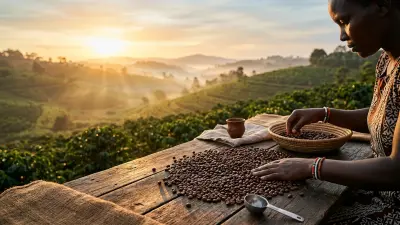
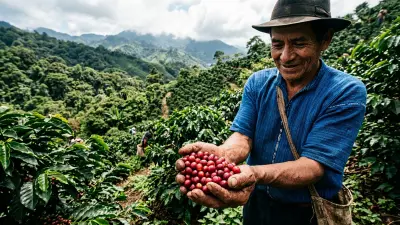
Colombia and Brazil are the titans of coffee production, but their approach to growing, processing, and ultimately, the flavor of their beans, couldn't be more different. Brazil, the world's largest producer, has vast, relatively flat farms that allow for mechanized harvesting and often use natural or pulped natural processing. Colombia, on the other hand, is known for its mountainous terrain, smaller farms, and a strong tradition of washed processing, often hand-picked.
Colombian Coffee: Brightness in Every Bean
Colombian coffee is celebrated for its consistently high quality and balanced profile. When you sip a cup of Colombian, you're tasting the result of perfect growing conditions and meticulous processing.
Flavor Profile
- Acidity: This is where Colombian coffee truly shines. It boasts a bright, vibrant, and often citrusy acidity, like a crisp green apple or a juicy orange.
- Body: You'll typically find a medium body – not too heavy, not too light – making it incredibly approachable.
- Notes: Expect a complex array of flavors, often including sweet caramel, milk chocolate, and notes of red berries (like cherry or currant). Sometimes, you might even pick up subtle floral or tropical fruit undertones.
- Processing: Overwhelmingly, Colombian coffee undergoes the washed process, where the fruit pulp is removed before drying. This method contributes to its clean, bright, and articulate flavors.
- Altitude: Grown at high altitudes, which slows down the maturation of the coffee cherry, leading to more complex sugars and acids.
Ideal Roast Level
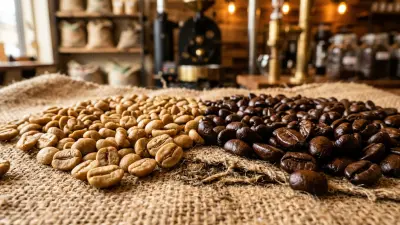
To really bring out those delightful bright and nuanced flavors, a medium roast is usually preferred for Colombian beans. A lighter roast might be too sour, while a dark roast can mute those delicate fruity and floral notes, replacing them with roasty bitterness.
Best Brewing Methods
Colombian coffee thrives in methods that highlight its clarity and brightness:
- Pour Over (e.g., Hario V60, Chemex): This method accentuates its crisp acidity and complex aromatics. My recommendation for a V60 is a 1:16 coffee-to-water ratio (e.g., 20g coffee to 320g water) with water at 200-205°F (93-96°C) and a medium-fine grind. Aim for a total brew time of 2:30-3:30 minutes.
- Aeropress: Great for a clean, flavorful cup, often with a slightly bolder body than a pour over. Try a 1:10 ratio (e.g., 20g coffee to 200g water) at 195-200°F (90-93°C), pressed slowly for 30-45 seconds after a 1-minute steep. Dilute to taste.
- Drip Coffee Maker: A reliable choice for an everyday bright and balanced cup.
Specific Bean Examples
Look for single-origin beans from regions like Huila, Nariño, or Antioquia. These areas are renowned for producing some of Colombia's finest, most expressive coffees.
Brazilian Coffee: Smoothness in Every Sip
Brazil offers a comforting, classic coffee experience. If you prefer a mellow, sweet, and nutty cup, Brazilian coffee is likely your jam.
Flavor Profile
- Acidity: Much lower and more subdued than Colombian coffee. It’s smooth and gentle, often described as mild or chocolatey rather than bright.
- Body: Brazilian coffees are famous for their full, creamy body. They feel rich and substantial in your mouth.
- Notes: The predominant flavors are rich chocolate, various nuts (think peanut, almond, hazelnut), and sweet caramel. It's the quintessential "comfort coffee" profile.
- Processing: Brazil primarily uses the natural process (cherries dried whole) or pulped natural process (skin removed, but mucilage left on). These methods contribute to its lower acidity, heavier body, and sweet, often fruit-forward (in a dried-fruit sense) or chocolatey notes.
- Altitude: Generally grown at lower altitudes compared to Colombia.
Ideal Roast Level
Brazilian beans handle and often benefit from medium to dark roasts. These roast levels enhance their inherent chocolatey and nutty characteristics, making them perfect for bolder applications like espresso or a rich drip coffee.
Best Brewing Methods
Brazilian coffee excels in methods that showcase its body and rich, low-acidity profile:
- Espresso: This is where Brazilian beans truly shine. Their low acidity, full body, and excellent crema production make them a staple for espresso blends and single-origin shots. Aim for a 1:2 yield (e.g., 18g in, 36g out) in 25-30 seconds, with a very fine grind.
- French Press: Maximizes its full body and rich mouthfeel. Use a 1:12 to 1:15 ratio (e.g., 30g coffee to 450g water) with water at 200-205°F (93-96°C) and a coarse grind. Steep for 4 minutes.
- Drip Coffee Maker: Excellent for a consistent, comforting, and robust daily brew.
- Cold Brew: The low acidity and chocolatey notes make Brazilian coffee fantastic for a smooth, naturally sweet cold brew concentrate.
Specific Bean Examples
Look for beans from regions like Sul de Minas, Cerrado, or Mogiana. Many Brazilian coffees are sold by region and processing method, so "Brazil Cerrado Natural" is a common and excellent choice.
Colombian vs. Brazilian: A Side-by-Side Comparison
To make your choice even clearer, here's a quick summary:
- Flavor:
- Colombian: Bright, fruity, floral, caramel, chocolate.
- Brazilian: Smooth, nutty, chocolatey, caramel.
- Acidity:
- Colombian: High, vibrant, citrusy.
- Brazilian: Low, mellow, subtle.
- Body:
- Colombian: Medium.
- Brazilian: Full, creamy.
- Processing:
- Colombian: Predominantly Washed.
- Brazilian: Predominantly Natural or Pulped Natural.
- Ideal Roast:
- Colombian: Medium.
- Brazilian: Medium to Dark.
- Best For:
- Colombian: Pour Over, Aeropress, drip for a bright cup.
- Brazilian: Espresso, French Press, cold brew, drip for a rich cup.
Making Your Choice: Which Coffee Is For You?
Ultimately, the "best" coffee is a matter of personal preference. Here’s how to decide:
- Choose Colombian if: You love a vibrant, bright cup with noticeable acidity and complex fruity or floral notes. You enjoy a clean finish and appreciate a coffee that sparkles on your palate. It's fantastic black or with just a splash of milk.
- Choose Brazilian if: You prefer a smooth, comforting, and mellow cup with rich chocolate and nutty flavors. You like a coffee with a full, creamy body and low acidity. It's an excellent base for espresso, lattes, or any drink where milk is involved, as its robust flavors stand up beautifully.
My advice? Don't just read about it – taste it! Grab a bag of each, brew them using the recommended methods, and conduct your own side-by-side tasting. You might even find that you love both for different occasions!