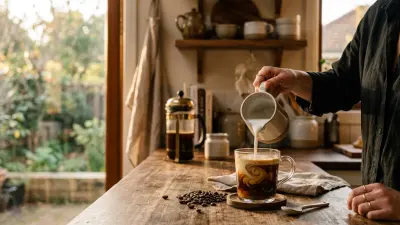
Pulling a rich, syrupy shot of espresso in your own kitchen is the ultimate milestone for any home coffee enthusiast. While the core concept appears straightforward—forcing pressurized hot water through compressed coffee grounds—espresso is a delicate dance of fluid dynamics, precise particle sizing, and thermal stability. Mastering this ritual transforms your daily caffeine fix into an elevated sensory experience, unlocking nuanced tasting notes ranging from bright floral acidity to deep dark chocolate sweetness.
Quick answer: Crafting exceptional home espresso requires fresh, medium-to-dark roasted beans ground to a fine uniform texture (200–400 microns), extracted at a 1:2 brew ratio (such as 18 g coffee to 36 g liquid espresso). Ensure your machine runs at 9 bar pressure with water temperatures between 90–93.5 °C (194–200 °F), targeting a target extraction time of 25 to 30 seconds.
Understanding Espresso Extraction Chemistry
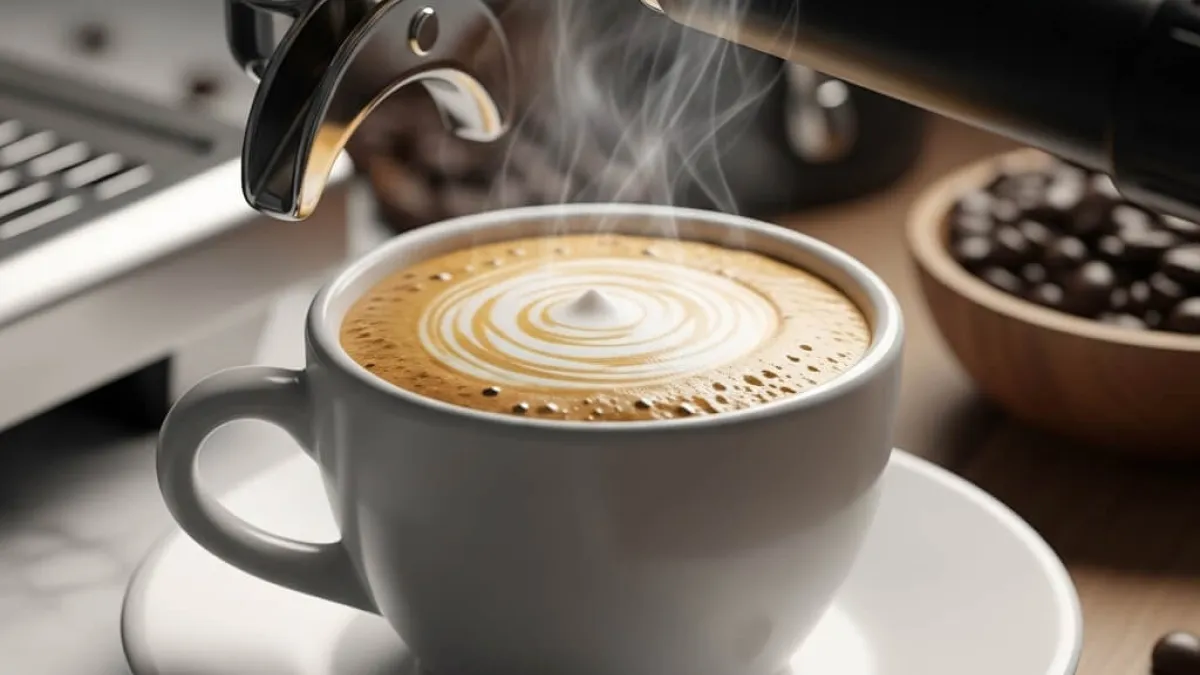
Unlike immersion brewing or pour-over drip coffee that relies entirely on gravity, espresso relies on mechanical pressure to extract soluble compounds from coffee cells. Drip systems typically yield a drink with 1.2% to 1.5% total dissolved solids (TDS), whereas a well-pulled espresso sits between 8% and 12% TDS. The high pressure—ideally set to 9 bar (130 psi)—emulsifies insoluble oils and forces carbon dioxide out of the grounds, creating the signature creamy foam known as crema.
Extraction unfolds in three distinct chemical phases during a standard 25 to 30 second shot window. In the first few seconds, organic acids and fruity aromatic compounds extract rapidly, giving the shot brightness and aroma. Mid-way through the pull, sweet sugars, caramel notes, and balanced tactile weight enter the cup. Finally, heavier astringent compounds, woody tannins, and intense lipids wash out at the end of the shot.
Balancing these three phases requires absolute precision over your brew variables. If water moves through the coffee bed too fast, you end up with an under-extracted, sour, and watery shot. Conversely, water that lingers too long strips away harsh, bitter lingering chemicals from the burnt plant fibers. Achieving harmony between dose, yield, and time is the key to mastering your espresso machine setup.
Choosing the Right Coffee Beans and Freshness Window
Not all whole bean coffees perform equally under intense pressure. While you can technically pull any origin through a portafilter, picking coffee tailored for espresso makes dialing in significantly easier. Medium to dark roasts are traditionally preferred because the roasting process increases bean porosity and breaks down complex cellulose walls, making soluble compounds easier to extract quickly.
Single-origin lighter roasts have gained massive popularity in modern specialty cafes, offering brilliant acidity and distinct fruit characteristics. However, light roasts require higher brew temperatures (93–95 °C) and precise grinder adjustments to avoid tasting unpleasantly sour or grassy. For consistent crema, structural body, and rich flavor notes, classic espresso blends incorporating central American, South American, or Indonesian coffees remain the gold standard for home baristas.
Freshness plays a massive role in shot stability and flavor development. Coffee beans need time to degas off-harmful carbon dioxide after roasting, but using stale beans guarantees thin crema and fast, unchanneled water flow. The sweet spot for brewing espresso is generally between 7 and 21 days past the roast date. Using beans roasted within the past 48 hours results in excessive gas bubbles that disrupt extraction, while beans older than 6 weeks lose volatile aromatic compounds.
Barista's tip: If your shot sputters out of a bottomless portafilter and flows in multiple chaotic streams—a phenomenon known as channeling—the culprit is usually uneven distribution, stale beans, or residual static in your coffee grinder. Use a WDT (Weiss Distribution Technique) tool with thin 0.35mm needles to break up clumps in the basket before tamping level.
Grind Size, Particle Sizing, and Equipment Selection
The grinder is undeniably the most crucial piece of equipment in an espresso workflow—far more critical than the espresso machine itself. To resist 9 bars of pressure, coffee must be ground fine enough to restrict water flow while maintaining microscopic channels for uniform saturation. Espresso grounds generally require an average particle diameter of 200 to 400 microns, feeling powdery yet slightly gritty between your fingertips.
Blade grinders and basic flat burr grinders intended for drip coffee lack the micro-adjustment control and particle size distribution necessary for espresso. High-quality conical burr grinders (like the Baratza Sette 270) or specialized flat burr grinders (such as the Eureka Mignon or Fellow Opus) allow micro-step or stepless adjustments. Consistent particle sizing ensures that every grain of coffee surrenders its soluble compounds at the exact same rate during extraction.
Understanding how variables match up across different manual and automated brewing equipment helps put espresso specs into perspective. The table below illustrates standard industry baselines according to Specialty Coffee Association standards:
| Brew Method | grind size (Microns) | Brew Ratio | Water Temp | Target Brew Time |
|---|---|---|---|---|
| Espresso | Fine (200–400 µm) | 1:1.5 – 1:2.5 | 90–93.5 °C (194–200 °F) | 25–30 seconds |
| Moka Pot | Fine-Medium (400–600 µm) | 1:7 – 1:10 | Boiling (98–100 °C) | 1–2 minutes |
| AeroPress | Medium-Fine (500–700 µm) | 1:11 – 1:16 | 85–92 °C (185–198 °F) | 1:30–2:00 minutes |
| Pour-Over (V60) | Medium (600–800 µm) | 1:15 – 1:17 | 92–96 °C (198–205 °F) | 2:30–3:30 minutes |
| French Press | Coarse (800–1000 µm) | 1:12 – 1:15 | 93–96 °C (200–205 °F) | 4:00 minutes |
Step-by-Step Brew Workflow and Dialing-In Procedure
To consistently pull balanced shots, you must adopt a methodical approach to preparation. Dialing in refers to adjusting your grind size while holding all other variables constant until you achieve the ideal balance of acidity, sweetness, and bitterness. Follow this structured routine every time you open a new bag of beans:
- Dose your coffee precisely: Weigh out 18.0 grams of roasted whole beans using a digital scale accurate to 0.1g. Dump the grounds into your double basket portafilter.
- Distribute and level: Use a needle-based distribution tool to declump the coffee bed. Ensure the surface is completely flat before applying vertical pressure.
- Tamp with level pressure: Apply firm, level pressure using an ergonomic tamper (roughly 20–30 lbs of force). Tamp until the coffee bed resists further compression; pushing harder will not alter extraction speed.
- Flush the group head: Purge a brief 2-second splash of hot water from your group head to ensure clean thermal stability and remove old coffee debris.
- Extract and weigh the yield: Lock the portafilter into place, place your coffee cup and scale underneath, start your timer, and initiate the brew pump simultaneously. Target 36 grams of liquid espresso output in 25 to 30 seconds.
If your shot pulls 36 grams in under 20 seconds, the water met too little resistance; adjust your grinder finer. If the machine chokes and takes over 38 seconds to yield 36 grams, your grounds are blocking flow; adjust your grinder coarser. Small micro-adjustments on your grinder make massive differences in flavor expression.
Recommended Routine for Home Baristas
For home baristas seeking the most reliable route to daily espresso success, begin with a fresh medium-dark specialty blend rested 10 days from roast. Pair an adjustable burr grinder with a standard 18g double basket portafilter, aiming for a 1:2 brew ratio (18g dose to 36g liquid espresso output) extracted in 27 seconds at 93 °C. This stable baseline eliminates major variables, allowing you to easily adjust your grind finer if the cup tastes too sour or coarser if it turns harsh and bitter.
Frequently Asked Questions
Why does my espresso shot taste unpleasantly sour?
Sourness indicates under-extraction, meaning water passed through the grounds too quickly to pull out balanced sugars. To fix this, adjust your grinder to a finer setting, slightly increase your water temperature, or extend your brew target yield slightly.
Do I really need a dedicated espresso grinder?
Yes, standard coffee grinders lack the fine stepless control needed to adjust particle sizes within the narrow 200–400 micron spectrum. Without precise burr micro-adjustments, your shots will fluctuate between completely choked and far too fast.
How much pressure is ideal for pulling espresso shots?
While consumer machines frequently advertise 15 or 19 bar pumps, the professional specialty coffee standard is 9 bar (approximately 130 psi) at the portafilter basket. Excessively high pressure compresses the puck too tightly, leading to channeling and uneven extraction.
Sources
- Specialty Coffee Association: SCA Coffee Standards and Extraction Protocols
- Baratza Grinder Calibration Specifications: Baratza Official Equipment Manuals
- Italian Espresso National Institute: Certified Italian Espresso Parameters