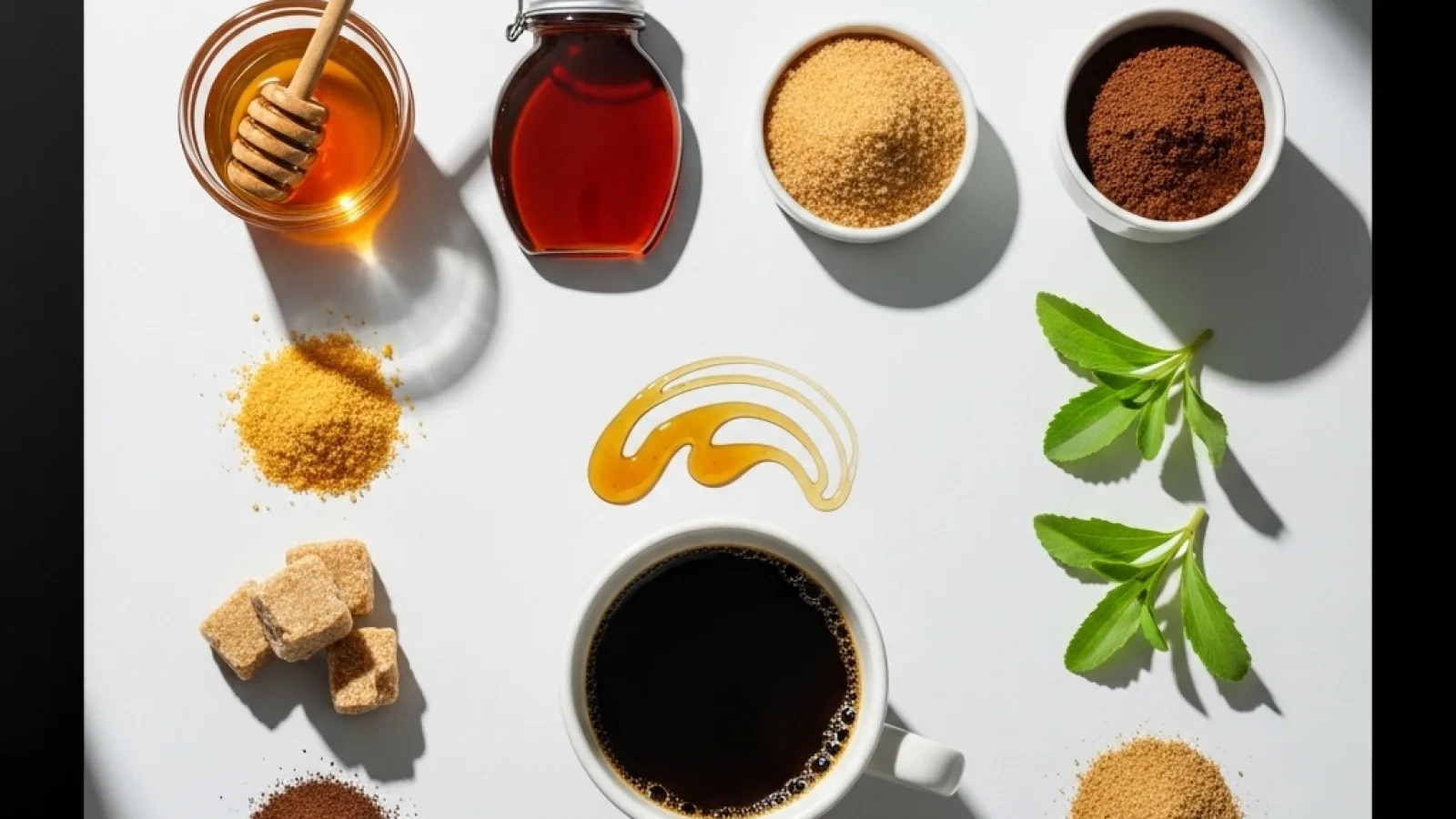
Sweeten Your Brew Smartly: A Guide to Healthier Coffee Alternatives
For many of us, a truly satisfying cup of coffee includes a touch of sweetness. But if you're looking to reduce your traditional sugar intake without sacrificing flavor, you're in luck! The world of sugar alternatives for coffee has expanded dramatically, offering a spectrum of options for every palate and dietary need. Here at coffee brew hub, we believe in empowering you to master your brew, and that includes customizing it to your health goals.
This comprehensive guide will walk you through the most popular healthier sweeteners, discussing their unique characteristics, how they interact with coffee, and their best uses. Get ready to transform your kitchen into a personal café, one health-conscious, delicious cup at a time!
Why Consider Sugar Alternatives for Your Coffee?
Beyond calorie reduction, opting for sugar alternatives can offer several benefits:
- Blood Sugar Management: Many alternatives have a lower glycemic index, preventing the sharp spikes and crashes associated with refined sugar.
- Dental Health: Some sweeteners are non-cariogenic, meaning they don't contribute to tooth decay.
- Dietary Goals: Ideal for ketogenic, low-carb, or diabetic diets.
- Exploring New Flavors: Different sweeteners can introduce subtle new dimensions to your coffee's profile.
Your Go-To Guide for Healthier Sweeteners
1. Natural Zero/Low-Calorie Sweeteners
These are derived from plants and offer sweetness without significant calories or impact on blood sugar.
-
Stevia (Steviol Glycosides)
- Taste Profile: Derived from the Stevia rebaudiana plant, it's intensely sweet, often 200-400 times sweeter than sugar. Some people detect a slight licorice-like or bitter aftertaste, especially in higher concentrations.
- Best Uses: Excellent for hot coffee, lattes, cappuccinos. Start with a very small amount and add incrementally. It dissolves well.
- Tips: Look for pure Stevia extract or blends with erythritol to mitigate potential aftertaste. Avoid products with dextrose or maltodextrin if you're sensitive to carbs.
-
Monk Fruit (Mogrosides)
- Taste Profile: Extracted from monk fruit, it's also intensely sweet (150-250 times sweeter than sugar) but generally has a cleaner taste profile with less aftertaste than Stevia for many users.
- Best Uses: Versatile for both hot and cold coffee drinks, including iced coffee and cold brew. Its clean taste makes it a great choice for showcasing coffee's natural flavors.
- Tips: Like Stevia, start small. Blends with erythritol are common and can improve the texture and mouthfeel.
2. Sugar Alcohols
These are carbohydrates that occur naturally in some fruits and vegetables. They are partially digested by the body, offering fewer calories than sugar.
-
Erythritol
- Taste Profile: About 70% as sweet as sugar with a very clean taste and no aftertaste for most. It can sometimes have a mild "cooling" sensation in the mouth.
- Best Uses: Ideal for any coffee preparation where you want a sugar-like sweetness and mouthfeel without the calories. Great for larger batches like cold brew concentrates.
- Tips: You'll need to use slightly more erythritol than sugar for equivalent sweetness. It dissolves well in hot beverages but can crystallize in cold ones if not fully dissolved initially.
- Note: While generally safe, consuming large amounts can cause digestive discomfort in some individuals. Keep all sugar alcohols, especially xylitol, away from pets as they can be highly toxic.
3. Natural Caloric Sweeteners
These options still contain calories and natural sugars but often come with additional nutrients or unique flavor profiles that can complement coffee beautifully.
-
Maple Syrup
- Taste Profile: Distinctive caramel and woody notes that can beautifully enhance the richness of coffee. It's less sweet than sugar, so you might use a bit more.
- Best Uses: Fantastic in lattes, particularly with espresso, adding a cozy, sophisticated touch. Pairs exceptionally well with nutty or chocolatey coffee beans.
- Tips: Use pure maple syrup (Grade A Dark, formerly Grade B, has the richest flavor). Start with a teaspoon and adjust.
-
Honey
- Taste Profile: Varies greatly depending on the floral source, from delicate to robust and earthy. It adds a natural, complex sweetness.
- Best Uses: Wonderful in hot coffee, especially with milk or cream, where its flavors can meld smoothly. Experiment with different types of honey (e.g., clover, wildflower, buckwheat) to find your favorite pairing.
- Tips: Honey can alter the acidity of coffee slightly. Dissolve it thoroughly in hot coffee to prevent it from settling at the bottom.
-
Agave Nectar
- Taste Profile: Sweeter than sugar with a relatively neutral flavor profile, making it a versatile option. It has a thinner consistency than honey.
- Best Uses: Excellent for cold brew and iced coffee because it dissolves easily in cold liquids. Its neutral taste allows the coffee's flavor to shine through.
- Tips: Agave is very sweet, so use sparingly. It's also high in fructose, so moderation is key for those monitoring sugar intake.
4. A Note on Artificial Sweeteners
While often calorie-free, artificial sweeteners like sucralose, aspartame, and saccharin are highly processed and can have a more chemical aftertaste for some. Many home baristas at coffee brew hub prefer natural alternatives for a cleaner taste and fewer artificial ingredients in their daily ritual.
Mastering Your Sweet Coffee Experience
- Start Small: These alternatives vary in sweetness intensity. Always begin with a tiny amount and add more as needed.
- Consider Your Coffee: The sweetener you choose can highlight different notes in your coffee. A dark roast might pair well with maple, while a lighter roast could shine with monk fruit.
- Experiment: Don't be afraid to try different options! What works for a hot espresso might not be ideal for an iced latte.
- Dilution Matters: If your coffee is very strong, you might need slightly more sweetener to balance the intensity.
Find Your Perfect Match
The journey to finding your ideal coffee sweetener is a personal one. By exploring these healthier alternatives, you're not just cutting down on sugar; you're opening up a world of new flavor possibilities and aligning your coffee ritual with a healthier lifestyle. So go ahead, experiment, and enjoy discovering the perfect sweet touch for your next amazing cup!