Unlock the Ancient Art of Turkish Coffee Brewing
Hey coffee lovers! Ever wondered about that uniquely rich, intensely aromatic brew with a distinct layer of foam on top? We're talking about Turkish coffee, a brewing method steeped in centuries of tradition and a true cornerstone of coffee culture. Far from just a drink, it's an experience, a ritual, and a taste of history. If you're ready to dive into a truly unique coffee adventure, you've come to the right place. As your trusted barista friend, I'm here to guide you through mastering this exquisite brew right in your own kitchen.
What Makes Turkish Coffee So Special?
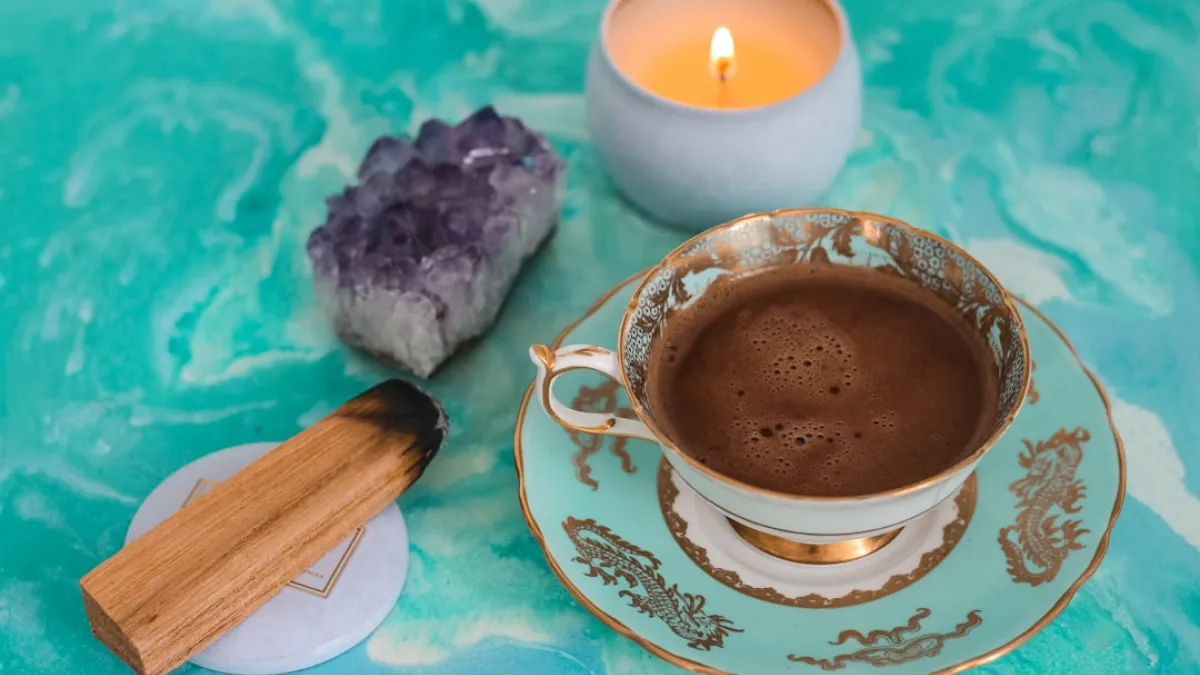
Unlike most brewing methods, Turkish coffee involves boiling ultra-fine coffee grounds directly in water, without any filtration. This results in a thick, full-bodied beverage with a delightful layer of foam on top and a sediment of grounds at the bottom of the cup. It's the coffee equivalent of espresso in terms of intensity, but with its own distinct preparation and character.
Essential Equipment for Your Turkish Coffee Journey
To brew authentic Turkish coffee, you'll need a few specific tools. Don't worry, they're generally affordable and will last you for years.
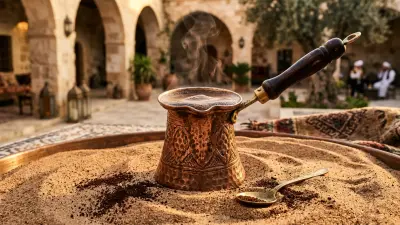
- Cezve (or Ibrik): This is the star of the show! A cezve (pronounced "jez-veh" in Turkish) or ibrik is a small, long-handled pot, usually made of copper, brass, or stainless steel, with a wide base and a narrow neck. Copper is highly recommended for its excellent heat conductivity, allowing for precise temperature control. Sizes vary, typically holding 1-4 servings.
- Ultra-Fine Grinder: This is crucial. Turkish coffee requires an almost powdery grind, finer than espresso. If you don't buy pre-ground Turkish coffee, a dedicated burr grinder capable of achieving this consistency, like a manual Turkish coffee grinder or a high-quality electric burr grinder, is essential.
- Small Demitasse Cups: Traditional Turkish coffee is served in small, usually handle-less, demitasse-style cups.
- Teaspoon: For measuring coffee and stirring.
- Cold, Filtered Water: The foundation of any good coffee.
The Ingredients: Simple Yet Significant
- Fresh Coffee Beans: Opt for high-quality Arabica beans, light to medium roast. Freshness is key for optimal flavor and foam. If grinding yourself, ensure they are fresh roasted.
- Water: Cold, filtered water is always best for purity of flavor.
- Sugar (Optional): Turkish coffee is traditionally prepared with sugar added during the brewing process, not afterwards. You can choose your sweetness level:
- Sade (Plain): No sugar.
- Az Şekerli (Slightly Sweet): Half a teaspoon of sugar per cup.
- Orta Şekerli (Medium Sweet): One teaspoon of sugar per cup.
- Çok Şekerli (Very Sweet): One and a half to two teaspoons of sugar per cup.
- Cardamom (Optional): A pinch of ground cardamom can be added with the coffee grounds for an aromatic twist, especially popular in some Middle Eastern traditions.
Step-by-Step Brewing Guide for Perfect Turkish Coffee
Ready to brew? Follow these steps for a rich, foamy, and authentic experience.
- Measure Your Coffee and Water: For each serving, use approximately 1 heaping tablespoon (about 7-8 grams) of ultra-fine Turkish coffee grounds and 60-70ml (about 2.5 fluid ounces) of cold water. If adding sugar, measure it now.
- Combine in the Cezve: Add the measured coffee grounds, sugar (if using), and cold water into your cezve. Give it a gentle stir with your spoon, just enough to fully wet the grounds and dissolve the sugar. Avoid over-stirring.
- Heat Slowly: Place the cezve over low to medium-low heat on your stovetop. This slow heating process is crucial for extracting flavor and building that beautiful foam. Resist the urge to use high heat!
- Watch for the Foam: As the coffee heats, you'll notice a dark foam beginning to form on the surface. Keep a close eye on it. Do not let the coffee boil vigorously.
- Scoop the Foam: Just before the coffee comes to a full boil and starts to rise rapidly, carefully scoop off the rich foam (called "köpük" in Turkish) with a spoon and distribute it evenly into your demitasse cups. This foam is a hallmark of good Turkish coffee.
- Reheat (Optional, for more foam): Return the cezve to the heat for a few seconds. Allow the coffee to rise again, but be extremely careful not to let it boil over. You can repeat this step once or twice, scooping foam each time, for an even richer foam layer. The goal is to heat it just to the point of rising, not a rolling boil.
- Serve Immediately: Pour the coffee, including the remaining grounds, into your prepared demitasse cups.
- Let it Settle: Let the coffee sit for 2-3 minutes before drinking. This allows the fine grounds to settle at the bottom of the cup, ensuring a smoother drinking experience.
Tips for Turkish Coffee Perfection
- Low and Slow: Patience is key. Brewing on low heat allows for better flavor extraction and a more stable foam.
- Don't Stir After Heating: Once the coffee starts heating, avoid stirring. This helps the foam develop properly.
- Quality Water: Good quality water makes a noticeable difference in taste.
- Freshness Matters: Freshly ground coffee will always yield the best results and the most impressive foam.
- Enjoy the Sediment: Remember, you don't drink the grounds at the bottom! Stop sipping when you feel the sediment.
Serving and Enjoying Your Brew
Turkish coffee is traditionally served with a glass of cold water to cleanse the palate before and during sipping, and often with a piece of Turkish delight (lokum) or a sweet pastry. It's meant to be savored slowly, often in good company. In some cultures, the leftover grounds are even used for fortune-telling (tasseography)!
Your Next Coffee Adventure Awaits!
Brewing Turkish coffee is a rewarding experience that connects you to a rich history and a unique flavor profile. It might take a couple of tries to perfect your technique, especially getting that ideal foam, but it's incredibly satisfying once you do. We encourage you to experiment with sweetness levels and perhaps a hint of cardamom to find your perfect cup. For more brewing guides and coffee insights, be sure to explore other articles on our website!