Quick answer: The best dark roast coffee combines fresh whole beans, a clear roast date, and a balanced flavor profile dominated by dark chocolate and subtle smokiness without carbonization. Standout selections like Peet’s Major Dickason’s Blend, Kicking Horse Kick Ass, and Lavazza Gran Selezione deliver exceptionally rich, full-bodied cups across espresso, French Press, and drip brewing setup.
Understanding the Science and Physics of Dark Roast Coffee
To pull the cleanest, richest flavors out of dark roast coffee beans, you need to understand what happens inside the bean during the roasting process. Roasters drag dark roasts past the "second crack"—the structural popping sound when cellulose within the bean matrix breaks down completely. This extended thermal exposure forces natural lipids and sugars to migrate outward, creating the iconic shiny, oily sheen on the bean surface. As a result, the internal cellular structure becomes exceptionally porous and fragile compared to a dense light roast.
Because dark roast beans are so porous, they dissolve quickly and absorb water at a much faster rate. This means over-extraction is a constant risk if you use standard light-roast parameters. While a light African coffee might require boiling water at 96 °C (205 °F) and a fine grind to extract sweet notes, a dark roast using those same variables will taste ash-like, bitter, and astringent. Lowering your water temperature significantly—down to 90–92 °C (194–198 °F)—slows the extraction speed and isolates the deep caramel and dark chocolate flavors while avoiding burnt notes.
Managing your extraction requires strict control over your coffee-to-water ratio. While standard pour-overs default to a 1:16 or 1:17 golden ratio, dark roasts thrive under a tighter 1:14 to 1:15 ratio. For example, dosing 18 g of dark roast whole beans into a batch yield of roughly 260 g of brew provides enough viscosity to maximize tactile mouthfeel without pulling harsh tannins into the cup. If you notice a dry, chalky feeling on your tongue, coarse up your grind or drop the brew temperature by a couple of degrees.
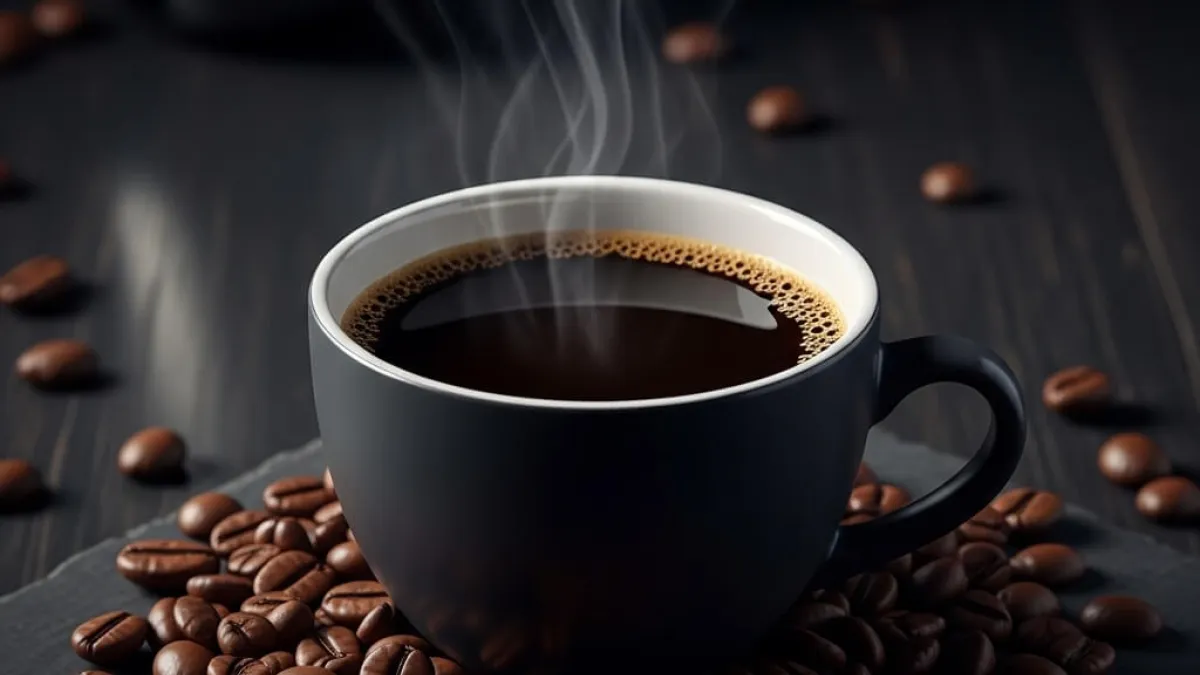
Top-Tier Dark Roast Recommendations Across Brands
Navigating the coffee aisle or ordering online can feel overwhelming given the sheer number of options. Selecting high-quality dark roasts means searching for bags that explicitly list a roast date rather than an expiration date. Ideally, you should consume whole beans within 2 to 4 weeks off the roaster, giving them 3 to 5 days after roasting to degas excess carbon dioxide. Choosing between artisan micro-lot roasters, widely accessible grocery brands, and online staples comes down to freshness and personal taste preferences.
In community discussions on platform channels like Reddit’s r/coffee, enthusiasts frequently debate mass-market options versus specialty roasts. Options like Peet's Major Dickason's Blend earn praise for retaining intense flavor even when purchased at grocery outlets, provided the bag shows a recent roast date. Meanwhile, brands like Kicking Horse offer organic, Fair Trade certified options like "Kick Ass," which feature robust notes of sweet molasses and roasted cocoa that perform remarkably well in heavy pour-over setups.
Barista's tip: Dark roast coffee beans contain a high volume of surface oils that quickly coat internal burrs in coffee grinders. When using high-end flat or conical burr grinders from brands like Baratza or Fellow, ground retention can cause stale, oxidized oils to ruin your next shot. Run a small portion of cleaning crystals or perform a quick manual sweep of your grinder burrs every two weeks to prevent rancid off-flavors from creeping into your espresso.
Commercial vs. Specialty Dark Roasts
The distinction between Italian, French, and Spanish roasts lies in their internal drop temperatures during the roasting cycle. French roasts are intensely smoky with minimal original origin characteristics left, whereas Italian roasts push close to carbonization, yielding an oily, pitch-black surface. Specialty dark roasts aim for a "Full City+" or light French stage, retaining origin sweet notes alongside the chocolatey undertones from roasting.
- Peet’s Major Dickason’s Blend: A classic multi-origin blend offering deep, earthy complexity and a thick, creamy body that balances cold cream exceptionally well.
- Kicking Horse "Kick Ass": An organic dark roast built for pour-over and French Press fans who love heavy dark chocolate, toasted walnut, and a smooth, syrup-like finish.
- Lavazza Gran Selezione: 100% Fine Arabica offering intense chocolate notes and an authentic Italian espresso profile with velvety crema.
- Death Wish Coffee: High-caffeine blend utilizing premium Robusta and Arabica beans, engineered for maximum intensity without harsh sour notes.
Brewing Techniques: Extracting Boldness Without Bitterness
Adjusting your grind size and equipment choice makes all the difference when brewing darker profiles. Because the physical structure of dark roast coffee breaks easily, grinding with cheap blade grinders creates excessive "fines"— microscopic particles that over-extract instantly and cause heavy bitter tastes. Investing in a quality conical or flat burr grinder from brands like Hario, Baratza, or Fellow ensures uniform particle sizes, allowing water to flow evenly through your puck or bed.
Immersion methods like the French press are natural matches for dark roasts. The metal mesh filter allows delicate lipids to pass into the cup, creating an indulgent, velvety mouthfeel. Use a coarse grind setting around 800–1000 microns, dose 30 g of coffee to 450 g of water (1:15 ratio) at 91 °C (195 °F), and steep for exactly 4 minutes before plunging gently. For pour-over options like the Hario V60 or Chemex, use a medium-coarse setting and shorten your bloom step to 30 seconds to manage extraction speed.
If you prefer espresso, dark roasts yield rich crema and traditional syrup textures. Aim for a lower brew temperature (90 °C / 194 °F) and stick to a traditional 1:2 extraction ratio—for instance, 18 g in to 36 g out in 25 to 28 seconds. If your espresso tastes overly sharp or astringent, widen your grind slightly or drop your yield down to a 1:1.75 ristretto ratio to highlight pure caramelized sugars. You can explore deeper setup tweaks in our dedicated Dark Roast Brewing Guides to perfect your home espresso workflow.
Comparing Popular Dark Roast Options
To help you compare profile characteristics, brew methods, and origin traits, use this breakdown when deciding on your next bag of dark roast whole beans.
| Coffee Brand / Blend | Roast Profile | Primary Flavor Notes | Recommended Brew Method | Ideal Water Temp |
|---|---|---|---|---|
| Peet's Major Dickason's | Full City / Dark | Dark Cocoa, Earth, Oak | French Press / Drip | 91 °C (195 °F) |
| Kicking Horse Kick Ass | Dark Roast | Molasses, Dark Chocolate | Pour Over (V60) / AeroPress | 92 °C (198 °F) |
| Lavazza Gran Selezione | Italian Dark Roast | Milk Chocolate, Spices | Espresso / Moka Pot | 90 °C (194 °F) |
| Starbucks French Roast | Deep French Roast | Smoky, Roasted Malt, Caramel | Drip / Cold Brew | 89 °C (192 °F) |
Matching your favorite brew tool to bean characteristics ensures consistent results. drip coffee makers with customizable heating elements let you dial in lower temperatures, protecting whole-bean sweetness. If you rely on convenience systems, choosing premium options outlined in our K-Cup Dark Roast Selections ensures you pick roasters using proper internal dosing levels for a full-bodied cup every morning.
| Brand/Source | flavor profile | Availability | Best For |
|---|---|---|---|
| Peet’s Major Dickason’s Blend | Bold, complex | Grocery/Amazon | Everyday brewing |
| Starbucks French Roast | Smoky, intense | Grocery/Starbucks | Café lovers |
| Death Wish Coffee | Extremely bold | Amazon/Online | Strong flavor fans |
| Kicking Horse Kick Ass | Smooth, organic | Amazon/Grocery | Ethical buyers |
| Community Coffee Dark Roast | Affordable, smooth | Grocery/Amazon | Budget-conscious |
| Stumptown French Roast | Balanced smokiness | Specialty shops | Artisan seekers |
Optimizing Storage and Bean Freshness
Because oily surfaces expose dark roasts to air, oxidation happens much faster than with denser light roasts. Oxygen breaks down delicate coffee oils, turning pleasant smoky aromas into flat, stale notes within weeks if left unprotected. Never store your whole beans in open bags or transparent glass jars exposed to direct sunlight or heat sources like your kitchen stove.
Store your beans in opaque, airtight coffee canisters equipped with a one-way CO2 release valve. These specialty containers keep oxygen out while letting natural degassing occur safely. Keep your container in a cool, dry pantry at stable room temperature. Avoid refrigerating daily-use coffee, as opening the cold container introduces atmospheric moisture that condenses directly on oily bean surfaces, dulling cup flavor.
For best results, purchase whole beans in smaller 250 g or 12 oz bags rather than bulk containers unless you freeze portioned amounts in vacuum-sealed bags. Buying smaller batches guarantees every cup you brew falls within that ideal 14-to-28-day sweet spot off the roaster. Discover more tips on bean storage and equipment maintenance in our Home Barista Care Guide.
Final Recommendation
If you want a dependable, rich dark roast that delivers deep dark chocolate and zero harshness, start with whole-bean Peet’s Major Dickason's Blend or Kicking Horse Kick Ass. Pair either choice with a quality burr grinder, brew at a tight 1:15 ratio using lower water temperatures around 91 °C (195 °F), and adjust your grind coarse enough to yield a velvety, smooth cup. This easy adjustment unlocks true cafe quality right in your home kitchen.
Frequently Asked Questions
Does dark roast coffee have less caffeine than light roast coffee?
By weight, dark roast and Light roast coffee contain almost identical amounts of caffeine because caffeine is thermally stable during roasting. However, because dark roast beans expand and lose mass during roasting, measuring by volume (using scoops) results in slightly less caffeine per scoop compared to denser light roast beans. Measuring your coffee dose in grams with a digital scale ensures consistent caffeine levels regardless of roast profile.
Why does my dark roast coffee taste burnt or bitter?
Burnt or excessively bitter tastes stem from over-extraction, usually caused by using water that is too hot (above 94 °C / 201 °F) or grinding your beans too fine. Lower your brew water temperature to 90–92 °C (194–198 °F) and coarsen your grind setting slightly to slow down extraction and extract sweet, balanced cocoa flavors instead.
Is dark roast coffee better for sensitive stomachs?
Yes, dark roast coffee is often easier on sensitive stomachs. The extended roasting process generates N-methylpyridinium (NMP), a chemical compound that decreases acid production in stomach cells while reducing the overall concentration of chlorogenic acids found in raw green coffee.
Sources
- Specialty Coffee Association (SCA) Standard Protocol & Guidelines
- Wikipedia: Coffee Roasting Processes & Profiles
- Baratza Grinder Calibration & Maintenance Documentation