Stepping into the world of home espresso is both an exciting venture and a potentially overwhelming process. With dozens of shiny chrome appliances lining digital store shelves, the fundamental division comes down to automation versus hands-on control. Choosing between a semi-automatic and a super-automatic espresso machine determines not just how your morning kitchen workflow feels, but also the physical quality, sweetness, and mouthfeel of the shot in your cup. Understanding how these machines operate will help you invest in an appliance that matches your lifestyle, schedule, and coffee aspirations.
Quick answer: The fundamental difference lies in control and labor: semi-automatic machines require you to grind, dose, tamp, and time the extraction manually for ultimate flavor customization, while super-automatic machines handle grinding, tamping, brewing, and milk frothing at the touch of a single button for maximum convenience.
Understanding Semi-Automatic Espresso Machines
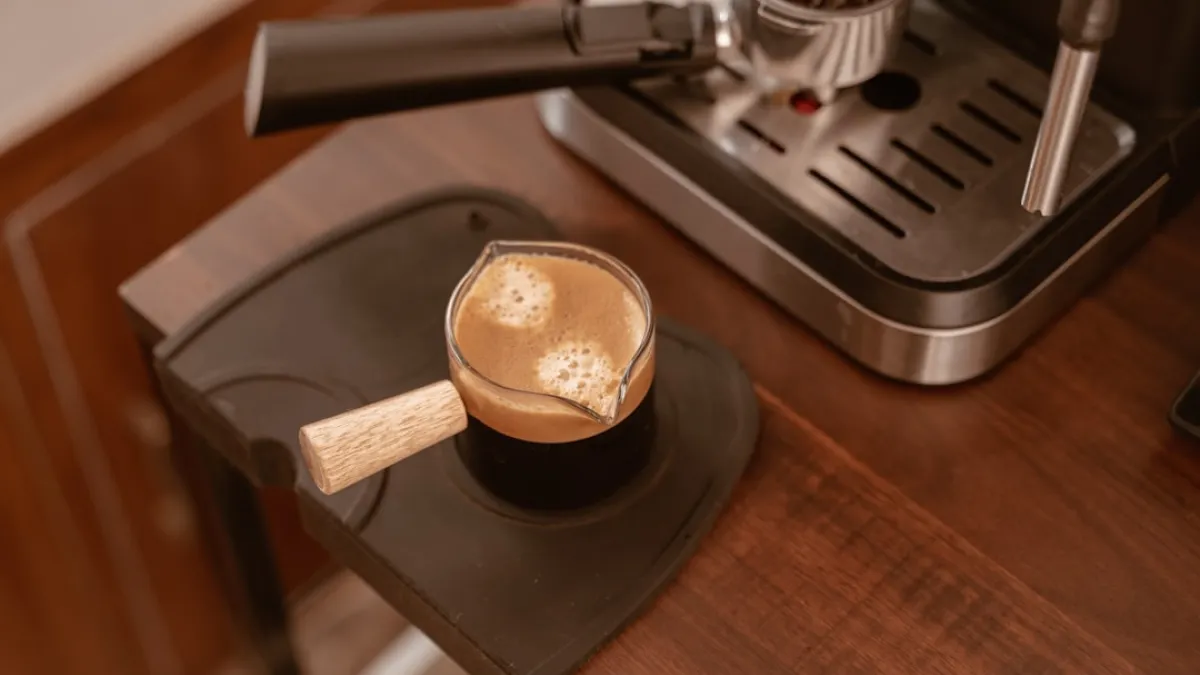
Semi-automatic espresso machines represent the traditional heart of Italian espresso culture adapted for the home kitchen counter. On a semi-automatic setup, an electric pump drives water at an industry-standard 9 bars of pressure through the boiler and into the group head, but every variable preceding that mechanical pump remains entirely in your hands. You select the grind size on an external burr grinder, weigh your grounds into a portafilter basket, level the bed, and apply a physical tamp before locking the handle into place.
Because you control the dose—typically 18 grams of finely ground coffee for a classic double shot—you directly dictate the extraction dynamic. Water heated to precisely 90–96 °C (195–205 °F) saturates the compressed puck. You manually start and stop the pump, aiming for a yield of 36 grams of liquid espresso within a standard 25 to 30 second window. This hands-on process allows you to tweak variables to highlight light roasts or extract dark roasts perfectly without bitter notes.
Furthermore, semi-automatic units are almost universally equipped with a commercial-style steam wand. Steam wand operation demands practice to purge condensate, position the nozzle just below the milk surface, stretch the liquid to introduce microfoam, and roll it into a silky texture ideal for latte art. Popular entry-level and prosumer models in our espresso machines directory showcase how these units prioritize component quality, stainless steel boilers, and repairability over push-button automation.
Barista's tip: The most common mistake beginners make with semi-automatic machines is ignoring channel formation in the puck. If your shot flows out in 15 seconds and tastes intensely sour, the high-pressure water found the path of least resistance through loose grounds. Use a Distribution Technique (WDT) needle tool to break up clumps before tamping flat with around 20–30 lbs of force.
Exploring Super-Automatic Espresso Machines
super-automatic espresso machines, frequently referred to as "bean-to-cup" machines, automate every phase of the brewing cycle inside an enclosed unit. When you select a beverage from the digital display, an internal conical burr grinder measures and grinds whole beans stored in a top hopper. An internal mechanical mechanism called a brew group then collects the grounds, tamps them with pre-calibrated pressure, forces hot water through the puck, purges the spent coffee into an internal dump drawer, and dispenses the liquid into your cup.
This automated approach completely removes human error and physical labor from the morning ritual. Modern super-automatic appliances also feature automated milk systems, ranging from auto-frothing carafes to suction tubes that draw milk straight from a carton, heat it, and layer thick foam over the espresso. The entire procedure takes under 60 seconds without requiring a single manual step beyond placing your cup underneath the spout.
While convenience is unmatched, super-automatics make built-in trade-offs. The internal grind settings are typically restricted to prevent fine dust from clogging the compact brew group, which can limit your ability to dial in light-roasted specialty beans that require fine particle sizes in the 200–300 micron range. Additionally, because the grind, tamp, and brew happen internally, deep cleaning requires regular maintenance cycles using chemical tablets and frequent rinsing of the removable brew group to prevent oil build-up.
Key Differences: Side-by-Side Technical Comparison
To evaluate which style fits your daily routine, it helps to examine how their operational parameters, mechanical demands, and output characteristics align side-by-side. The choice impacts daily workflow, cleaning schedules, and long-term counter space allocation.
| Feature / Parameter | Semi-Automatic Machine | Super-Automatic Machine |
|---|---|---|
| Grinder Requirement | Requires separate standalone burr grinder | Integrated internal burr grinder included |
| Dosing & Tamping | Manual (18g dose, manual tamp pressure) | Fully automated internal process |
| Brew Ratio Control | Complete manual control (e.g., 1:2 ratio) | Digital volumetric presets (limited customization) |
| Water Temperature | Highly stable (PID controller options, 90-96 °C) | Factory set (often lower thermal stability) |
| Milk Texturing | Manual steam wand (glossy microfoam for art) | Automatic carafe / cappuccinatore (denser foam) |
| Shot Quality Potential | Café-quality extraction, high sweetness/body | Good, consistent extraction with milder body |
| Daily Cleaning | Quick flush, portafelter wipe, steam purge | Rinsing brew group, milk circuit cleaning cycles |
Flavor Profile, Customization, and Learning Curve
If primary importance is placed on achieving absolute peak flavor clarity and body, semi-automatic machines hold a definitive edge. In specialty coffee, optimizing extraction yield (aiming for 18–22% solubles dissolved from the dry coffee) demands microscopic adjustments to grind size and water flow. With a semi-automatic machine linked to a dedicated flat or conical burr grinder, you can fine-tune your grind down to individual micron increments to match specific roast dates—ideally 2 to 4 weeks post-roast—and origin characteristics.
Super-automatic machines prioritise repeatability and ease over extreme extraction tweaking. Because their internal mechanisms must process hundreds of pucks without jamming, they generally utilize coarser grind settings and slightly lower dose amounts (often capped between 10–14 grams per cycle). This mechanical limit yields a slightly thinner body and milder intensity compared to a dense 18-gram basket pulled on a semi-automatic machine. However, for milk-based drinks like morning lattes or flavored Americanos, the flavor profile produced by a super-automatic is pleasantly rich, consistent, and satisfying.
The learning curve is another critical factor. Mastering a semi-automatic machine involves learning coffee physics: understanding how distribution impacts flow rate, diagnosing channel paths, and acquiring tactile muscle memory for steam wand positioning. A super-automatic machine features a learning curve of virtually zero; you plug the unit in, fill the water reservoir and bean hopper, select your beverage, and press start. Exploring our guides on grinder calibration and espresso variables offers additional context if you enjoy the craft of dialing in shots manually.
Maintenance profiles also differ significantly over a 5-year ownership span. Semi-automatic machines feature simple mechanical plumbing—boiler, pump, three-way solenoid valve, and group head—making them highly durable and easy to service with standard replacement gaskets and descaling routines. Super-automatic machines contain complex internal gearboxes, electronic sensors, and moving brew groups that require meticulous daily rinsing and periodic lubrication to ensure smooth mechanical operation.
Which Espresso Machine Style Should You Choose?
Selecting your ideal setup depends entirely on your daily priorities, patience, and enthusiasm for the brewing process. If you view coffee making as a rewarding ritual, enjoy experimenting with light-roast single-origin beans, and want to learn microfoam creation for latte art, purchase a quality semi-automatic machine paired with a dedicated burr grinder. If your main objective is pressing a single button while rushing through a busy morning routine to get hot, tasty coffee without cleaning up messy coffee grounds, invest in a super-automatic machine.
Frequently Asked Questions
Can you make latte art with a super-automatic espresso machine?
Most super-automatic machines create a stiffer, airier foam structure that sets quickly on top of liquid milk, making fine latte art intricate patterns difficult. However, models equipped with manual steam wands alongside automated brewing allow you to texture velvety microfoam yourself.
Do super-automatic machines require special coffee beans?
Yes, you should avoid oily, extremely dark roasted beans in super-automatic machines. The surface oils can accumulate on the internal grinder burrs and bean hopper chute over time, leading to clogs and expensive mechanical servicing. Medium to dark roasts with a matte surface finish are ideal.
How long do semi-automatic vs super-automatic machines typically last?
Well-maintained semi-automatic espresso machines frequently last 10 to 15 years or longer because their parts are accessible and easily replaced. Super-automatic machines, due to their intricate internal moving parts and complex electronics, typically feature an average lifespan of 5 to 8 years with proper maintenance.
Is a separate coffee grinder necessary for a semi-automatic machine?
Yes, a dedicated burr grinder capable of making micro-adjustments for espresso fine particles is essential. Buying an entry-level semi-automatic machine without a capable grinder will prevent you from reaching the necessary pressure and extraction times needed for balanced shots.
Sources
- Specialty Coffee Association (SCA) Coffee Standards
- Wikipedia: Espresso Machine Technology & History
- Italian Espresso National Institute (INEI) Technical Parameters