Quick answer: Choose a semi-automatic machine if you prioritize absolute flavor clarity, enjoy learning the mechanics of espresso extraction, and want to hand-craft microfoam milk. Opt for a super-automatic machine if your primary goal is drinking reliable, delicious espresso and milk beverages at the press of a single button with zero mess and minimal prep time.
Deconstructing the Semi-Automatic Experience: Craft, Precision, and Control
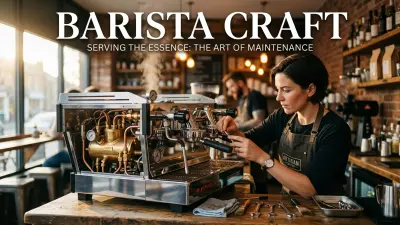
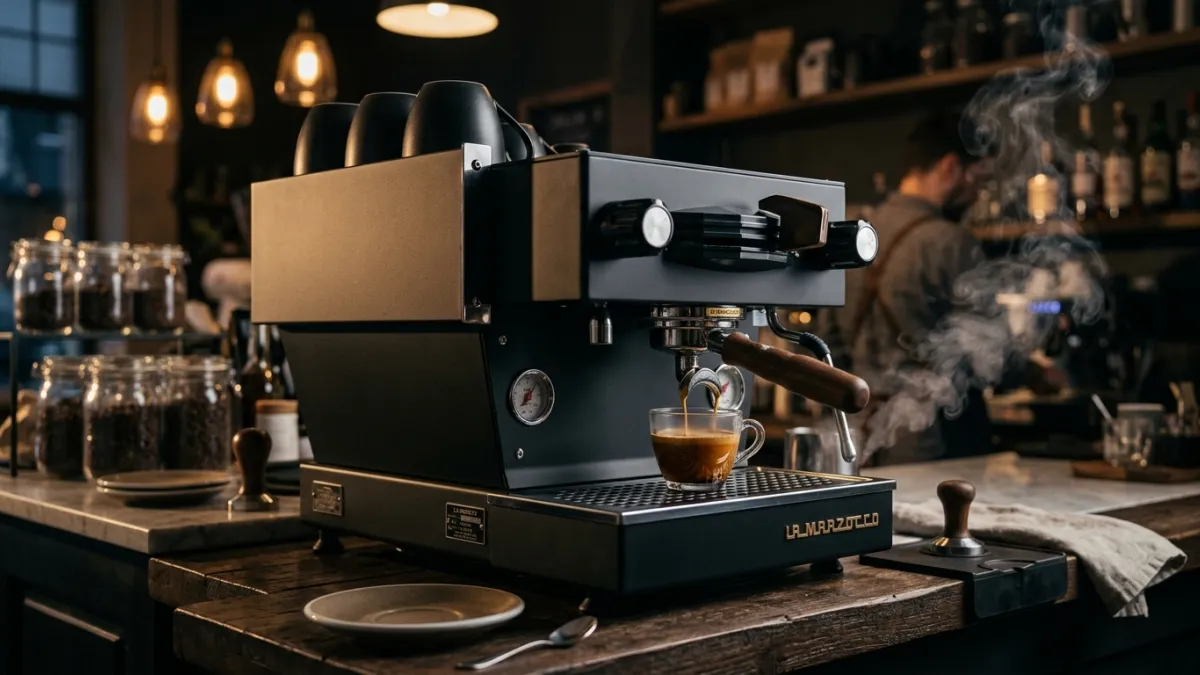
Semi-automatic espresso machines are the industry standard for commercial cafés and home enthusiasts who view coffee making as an art form. On a semi-automatic machine, an electric pump creates the required 9 bars of pressure to extract espresso, but human intervention dictates every other critical variable. You are responsible for weighing the whole coffee beans, selecting the precise grind size, dosing the portafelter basket, executing a level tamp, and stopping the shot when the extraction reaches its target yield.
This level of manual involvement grants you direct access to the physics of espresso. When pulling a shot on a semi-automatic unit, aiming for a classic 1:2 brew ratio serves as your gold standard baseline. For example, using an 18-gram dose of freshly roasted coffee beans to yield 36 grams of liquid espresso in roughly 25 to 30 seconds at a water temperature of 93 °C (200 °F). If the shot flows too quickly and tastes sour, you adjust your standalone burr grinder finer; if it drips slowly and tastes astringent or bitter, you coarsen the grind. This tactile feedback loop is precisely what draws purists to manual and semi-automatic espresso machines.
Furthermore, semi-automatic machines feature traditional steam wands that feed off a dedicated boiler or thermoblock. Mastering a manual wand allows you to inject micro-bubbles into milk, creating silky microfoam at 60–65 °C (140–150 °F) suitable for pouring latte art. While the learning curve requires practice, the reward is an uncompromised, café-quality cup that fully reveals the complex tasting notes of single-origin beans.
Barista's tip: The most common mistake beginners make with semi-automatic setups is ignoring grinder retention and bean freshness. Using beans roasted 2 to 4 weeks prior is crucial. If your portafilter experiences channeling—where pressurized water burns channels through unevenly tamped pucks—try using a needle distribution tool (WDT) to de-clump your grounds before tamping with 30 pounds of pressure.
Inside the Super-Automatic Machine: Tech, Speed, and Convenience
Super-automatic espresso machines, often referred to as fully automatic units, handle every step of the brewing workflow internally. Inside the casing of a super-automatic system resides an integrated conical or flat burr grinder, an automated dosing system, an internal mechanical tamp mechanism, a brew unit, and an automated milk frother. When you press a button on the touchscreen, the machine calculates the parameters, grinds the beans, packs the puck, pulls the shot, ejects the spent coffee puck into an internal dump drawer, and dispenses your drink in under a minute.
The engineering behind modern super-automatics focuses on delivering repeatable, error-free results. These systems automatically adjust their brew chamber volume to fit pre-programmed beverage profiles, ranging from short ristrettos to long Americanos. For households with multiple coffee drinkers who have varying preferences, the ability to store custom user profiles with tailored milk volume, temperature settings, and coffee strength makes super-automatics remarkably practical.
However, this convenience relies on mechanical compromises. Super-automatic internal grinders typically operate within narrower adjustment ranges compared to standalone dedicated espresso grinders like a Baratza or Fellow. To prevent internal clogs, super-automatics also require darker, non-oily roasts. Extremely light single-origin roasts with high density often fail to extract fully inside an automated brew unit, resulting in thinner body and muted flavor complexity compared to a well-dialed semi-automatic shot.
Key Operational Metrics Compared
Understanding how these two machine categories diverge in daily operation helps clarify which machine fits your morning routine. The operational differences go far beyond pressing buttons versus pulling levers; they dictate your kitchen workflow, cleaning routine, and counter space requirements.
- Workflow Duration: A semi-automatic drink workflow takes roughly 3 to 5 minutes, including puck prep, extraction, manual milk steaming, and immediate portafilter wiping. A super-automatic delivers the same beverage type in 45 to 75 seconds.
- Maintenance and Sanitation: Semi-automatics require simple daily habits—flushing the group head and wiping the steam wand. Super-automatics require daily emptying of the drip tray and puck container, alongside automated weekly brew group rinses and chemical descaling programs to prevent internal mold and scale buildup.
- Equipment Footprint: Semi-automatics usually necessitate purchasing a high-grade standalone espresso grinder, expanding your overall counter footprint and accessory budget. Super-automatics house everything in a single, self-contained chassis.
Below is a detailed technical comparison breaking down how both machine types handle the primary stages of espresso preparation:
| Factor / Feature | Semi-Automatic espresso machine | Super-Automatic espresso machine |
|---|---|---|
| Grind & Dose Control | External grinder required; total manual control over particle size (microns) and weight (g). | Built-in internal grinder; automated step adjustments with pre-set dose weights. |
| Tamping Mechanics | Manual tamping with user-applied pressure, distribution tools, and puck screens. | Internal automated mechanical piston press; no manual contact with grounds. |
| Extraction Adjustments | Full control over pre-infusion time, brew pressure, temperature, and total yield volume. | Pre-programmed drink recipes; limited software adjustments for strength and volume. |
| Milk Texturing Method | Manual commercial-style steam wand for custom microfoam creation and latte art. | Integrated milk carafe or auto-frothing wand; dispenses hot foamed milk automatically. |
| Average Shot Time | 25–30 seconds extraction (excluding manual prep and dial-in time). | 15–25 seconds extraction (fully automated press-to-cup flow). |
Cost Dynamics, Maintenance, and Long-Term Value
When analyzing total cost of ownership, looking solely at the purchase price of the espresso machine gives an incomplete picture. Entry-level semi-automatic machines often carry lower initial price tags, but achieving optimal total dissolved solids (TDS) extraction percentages (typically 18%–22% according to Specialty Coffee Association standards) requires pairing the machine with a dedicated, stepless espresso grinder. Factoring in accessories like precision filter baskets, calibrated tampers, and milk pitchers adds to the initial investment.
Super-automatic machines carry higher upfront price tags due to their complex internal electronics, dual heating systems, and motorized brew groups. Because all mechanical components are housed inside a closed casing, long-term durability depends heavily on strict adherence to maintenance alerts. Descaling cycles, water filter replacements, and lubricating internal brew group seals are mandatory chores. If an internal component breaks out of warranty, repairing a super-automatic often requires specialized service centers, whereas many semi-automatic machines feature standard commercial-grade fittings, three-way solenoid valves, and user-serviceable parts.
To deepen your understanding of shot mechanics and espresso equipment, explore our detailed guides on optimizing espresso extraction ratios and choosing the right coffee bean roasts for home brewing.
Frequently Asked Questions
Can you make true café-quality latte art with a super-automatic machine?
Generally, no. Super-automatic machines froth milk by pulling air through automated tubes or carafes, creating airy macrofoam rather than wet microfoam. While the milk tastes great in cappuccinos, it lacks the silky density and tiny bubble structure required to pour intricate latte art patterns.
Do super-automatic espresso machines use more coffee beans?
Super-automatic machines often use slightly more coffee per cup to achieve adequate strength. Because their internal grinders cannot grind as fine as dedicated standalone grinders without clogging, the machine compensates by increasing the dose size to reach acceptable strength levels.
Which machine type lasts longer overall?
Well-maintained semi-automatic machines generally have longer operational lifespans. Because they rely on simpler mechanical switches, standard boilers, and heavy brass or stainless steel group heads, they suffer fewer electronic failures and are easier to repair over a 5 to 10-year period.
Making Your Final Decision
If you treat your morning coffee as an engaging ritual, crave complete control over shot parameters, and want to learn the art of texturing perfect microfoam, invest in a quality semi-automatic machine along with a dedicated burr grinder. If your main priority is walking into the kitchen, touching an icon, and walking away 45 seconds later with a consistently delicious cappuccino before heading out the door, a super-automatic espresso machine is the ideal choice for your home personal café.