Light Roast vs Dark Roast: Which Has More Caffeine? The Ultimate Guide
Hey coffee lovers! As your trusted barista friend, I often hear a common question brewing in the minds of home enthusiasts: does light roast or dark roast coffee have more caffeine? It’s a fantastic question, and one that often leads to surprising answers. Many assume that a bold, dark roast, with its intense flavor, must pack a bigger caffeine punch. But the reality is a bit more nuanced than that. Let’s dive deep and uncover the truth!
The Caffeine Conundrum: It Depends on How You Measure
The answer to which roast has more caffeine isn't a simple "light" or "dark." It primarily depends on how you measure your coffee: by weight or by volume. This is where the physics of roasting comes into play.
By Weight: Light Roasts Often Have Slightly More Caffeine
When you measure your coffee beans by weight (which, by the way, is always my recommended method for consistency!), light roasts typically have a tiny bit more caffeine per gram than dark roasts. Here's why:
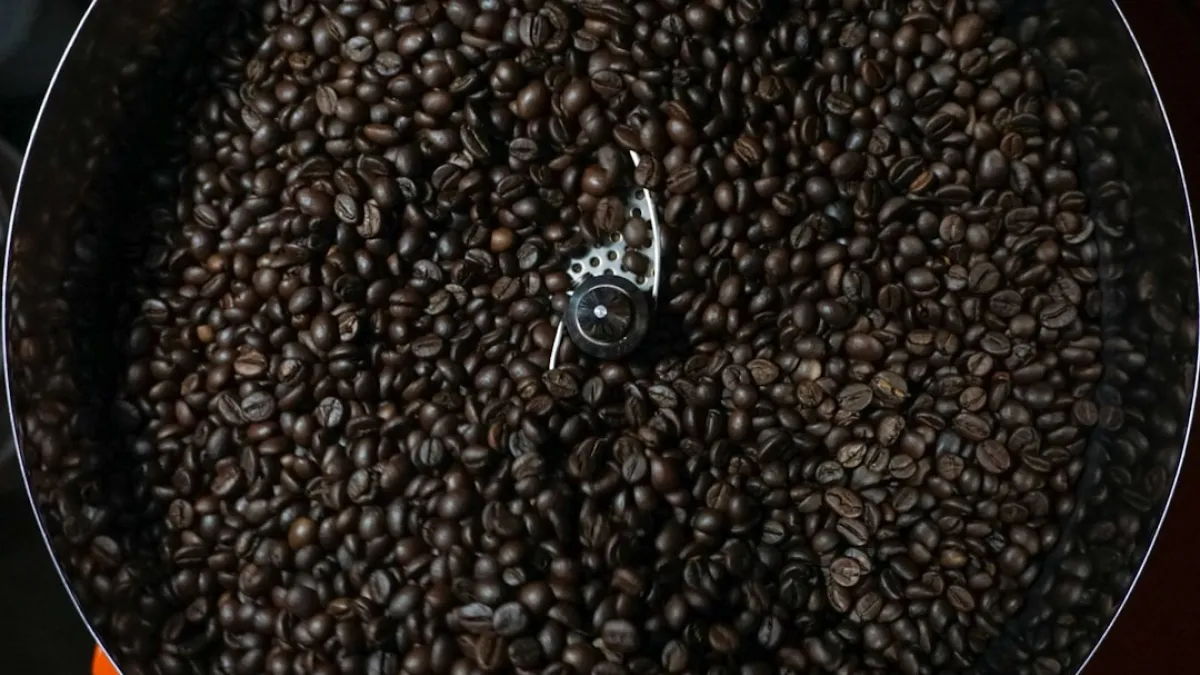
- Mass Loss: As coffee beans roast, they lose moisture and mass. The longer they roast (i.e., becoming darker), the more mass they lose.
- Density: A light roast bean retains more of its original mass and density. The caffeine content within the bean remains relatively stable during roasting, but since a light roast bean weighs more per bean (due to less mass loss), a given weight (e.g., 20 grams) of light roast coffee will contain slightly more individual beans, and therefore, slightly more total caffeine.
Actionable Tip: If you're weighing your coffee (and you absolutely should be!), a light roast might give you a marginal caffeine boost for the same weight.
By Volume: Dark Roasts Often Have More Caffeine
Now, if you're scooping your coffee beans (which many home brewers do, especially beginners), the story flips. A scoop of dark roast coffee will likely contain more caffeine than a scoop of light roast.
- Expansion: During the roasting process, coffee beans expand in size. Darker roasts expand more due to longer exposure to heat.
- Less Dense: Because dark roast beans are larger and less dense (they've lost more mass but gained volume), more of them can fit into a standard scoop.
Actionable Tip: If you're using a volumetric scoop, you'll naturally be adding more individual beans of a dark roast, which means more overall caffeine in your brew. This is likely where the "dark roast has more caffeine" myth originates.
So, Which Has More Caffeine in Your Cup? The Practical Answer
For most home brewers, the difference in caffeine between a light and dark roast, especially when weighing your beans, is negligible. We're talking about a very small percentage difference. The variation from bean to bean, even within the same roast, can be just as significant.
What truly impacts the caffeine in your final cup more is:
- Coffee-to-Water Ratio: Using more coffee grounds for the same amount of water will always increase caffeine.
- Brewing Method: Methods with longer immersion times (like French Press or Cold Brew) can extract more caffeine.
- Grind Size & Water Temperature: These affect extraction efficiency.
Beyond Caffeine: Understanding Roast Profiles and Flavor
Instead of chasing a marginal caffeine difference, I always encourage you to choose your roast based on the flavor profile you enjoy most!
What Defines a Light Roast?
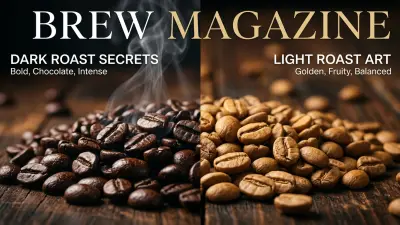
- Appearance: Light brown, no oil on the surface. Roasted to just past the "first crack."
- Flavor Profile: Bright, acidic, complex, fruity, floral, and often showcasing the bean's origin characteristics. Think notes of berries, citrus, or jasmine.
- Common Examples: Many single-origin coffees from Ethiopia (like a Yirgacheffe), Kenya, or Rwanda are often roasted light to highlight their unique flavors.
- Brewing Tip: Light roasts often benefit from slightly hotter water (around 200-205°F or 93-96°C) and a finer grind to aid in extracting their complex flavors.
What Defines a Dark Roast?
- Appearance: Dark brown, often shiny with oils on the surface. Roasted into or past the "second crack."
- Flavor Profile: Bold, smoky, bittersweet, chocolatey, nutty, and less acidic. The roast flavor dominates, rather than the bean's origin.
- Common Examples: French Roast, Italian Roast, Espresso Roast, Sumatra Mandheling (often dark roasted).
- Brewing Tip: Dark roasts can be prone to bitterness. Try slightly cooler water (195-200°F or 90-93°C) and a slightly coarser grind.
The "Myth" of Dark Roast Being Stronger
The perception that dark roasts are "stronger" usually refers to their flavor intensity, not their caffeine content. The longer roast develops deeper, bolder, and often more bitter notes, which many associate with strength. But remember, a bold flavor doesn't automatically mean more caffeine!
Practical Tips for Your Home Brewing Journey
Here’s what you should really focus on to get the most out of your coffee, whether light or dark:
- Always Weigh Your Coffee: This is the single most important step for consistency. Invest in a good kitchen scale. A common starting ratio is 1:15 to 1:18 coffee to water (e.g., 20g coffee to 300-360g water).
- Grind Fresh: Always grind your beans just before brewing. This preserves flavor and allows for better extraction.
- Experiment with Roasts: Don't let caffeine misconceptions limit your exploration. Try different roasts to discover what flavors truly excite your palate.
- Adjust for Caffeine: If you genuinely want more caffeine, increase your coffee-to-water ratio slightly (e.g., from 1:16 to 1:14). This is far more effective than trying to guess based on roast level.
The Final Sip
The debate of light vs. dark roast caffeine content is a classic, but one that’s often oversimplified. While a light roast might have a *smidge* more caffeine by weight, and a dark roast might have more by volume, the difference is usually insignificant in your daily cup.
My advice? Focus on the delicious world of flavors each roast offers. Choose your coffee based on what brings you joy and excitement, and trust in consistent brewing practices to deliver the best cup every time. Happy brewing!