Walk into any coffee shop, and you’ll see a vast menu: espresso, Americano, latte, cappuccino, filter coffee, pour-over, French press… It’s easy to get lost, especially when trying to understand the fundamental difference between "espresso" and "coffee." Many believe espresso is just a stronger type of coffee, or even a different kind of bean. While it is stronger in flavor, and brewed from coffee beans, the truth is a bit more nuanced and incredibly fascinating!
As your friendly home barista, I’m here to demystify the core distinctions between espresso and regular brewed coffee. We’ll explore their unique brewing methods, dive into their taste characteristics, set the record straight on caffeine, and guide you through the equipment you’ll need.
Brewing Methods: Pressure vs. Gravity
This is where the most significant difference lies. Both espresso and coffee start with roasted coffee beans and hot water, but how they interact is profoundly different.
Espresso: The Art of High Pressure
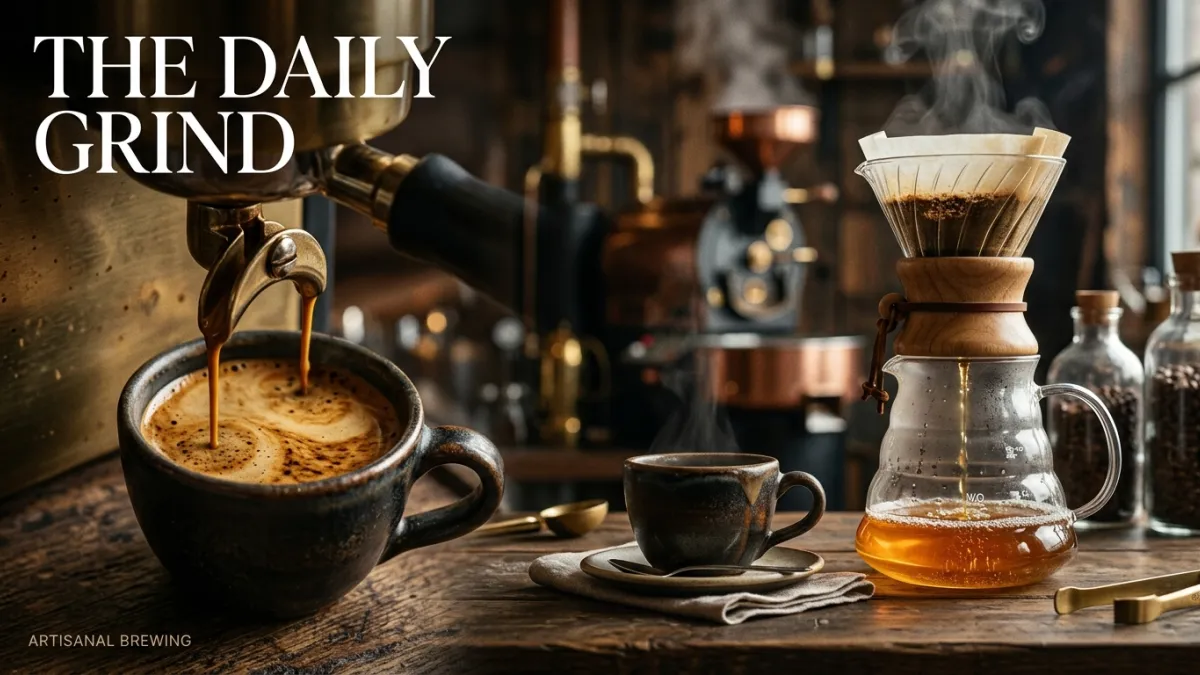
espresso is a highly concentrated coffee beverage made by forcing a small amount of nearly boiling water (around 90-96°C or 195-205°F) under high pressure (typically 9 bars) through finely ground coffee. This rapid, high-pressure extraction creates a beverage with a unique texture and flavor profile, characterized by its signature reddish-brown foam on top, known as crema.
- Key characteristics: High pressure, very fine grind, short extraction time.
- Equipment: An espresso machine is essential, often paired with a high-quality burr grinder capable of an espresso-fine setting.
Regular Coffee: The World of Immersion & Filtration
When most people say "coffee," they're usually referring to methods that rely on gravity or immersion rather than pressure. These methods allow water to saturate the coffee grounds for a longer period, extracting flavors at atmospheric pressure. This category includes popular brewing techniques like:
- Drip Coffee: Hot water showers over medium-ground coffee, then drips through a filter into a carafe. Think your automatic home coffee maker or a Moccamaster.
- Pour-Over: A manual version of drip coffee, where hot water is carefully poured over coffee grounds in a cone-shaped brewer (like a Hario V60 or Chemex). This allows for precise control over extraction.
- French Press (Immersion): Coarsely ground coffee steeped directly in hot water, then separated by pressing a mesh plunger. This method yields a full-bodied coffee with more sediment.
These methods generally use coarser grinds and longer brew times, resulting in a lighter-bodied, less concentrated beverage compared to espresso.
Grind Size, Ratios & Time: Crafting Your Brew
The "recipe" for each brew method is critical for achieving optimal taste.
Espresso Essentials: Precision is Key
- Grind Size: Extremely fine, almost like powdered sugar. This fineness creates resistance for the high-pressure water.
- Brew Ratio: Typically 1:2. For example, if you use 18 grams of coffee, you'll aim for 36 grams of liquid espresso.
- Brew Time: 25-30 seconds for a standard double shot. This timing is crucial and adjusted by grind size.
- Water Temperature: 90-96°C (195-205°F).
Achieving a perfect espresso requires practice and attention to detail, but the reward is immense.
Regular Coffee: Adaptable and Diverse
- Grind Size: Varies greatly by method.
- Pour-Over/Drip: Medium-fine to medium (like table salt).
- French Press: Coarse (like sea salt or breadcrumbs).
- Brew Ratio: Generally 1:15 to 1:17 (coffee to water). For example, 30 grams of coffee to 500 grams of water.
- Brew Time: Longer than espresso.
- Pour-Over/Drip: 3-5 minutes.
- French Press: 4 minutes of steeping.
- Water Temperature: 90-96°C (195-205°F) – consistent with espresso for optimal extraction.
The beauty of regular coffee is its versatility; you can tailor the experience to your preference.
Taste Profile: Intensity vs. Nuance
The different brewing methods naturally lead to distinct sensory experiences.
Espresso: Bold, Concentrated, Full-Bodied
Espresso is known for its intense, concentrated flavor. It's often described as having a rich, viscous texture (body), strong aromatics, and flavors that can range from dark chocolate and nuts to caramel and dried fruit, depending on the bean. The crema contributes to its unique mouthfeel and perceived sweetness.
Regular Coffee: Diverse, Clear, Varied Body
Regular coffee offers a much broader spectrum of flavors and body, largely due to the varying brew methods and less concentrated extraction. You might find delicate floral notes, bright citrus acidity, earthy undertones, or berry sweetness. The body tends to be lighter than espresso. For instance:
- Pour-Over emphasizes clarity and bright, nuanced flavors.
- French Press delivers a full-bodied, rich, and often earthy cup with a pleasant muddiness.
- Drip Coffee falls somewhere in the middle, offering a balanced and consistent daily brew.
Caffeine Content: Dispelling the Myth
This is a common point of confusion. Many assume espresso has significantly more caffeine than regular coffee because it tastes stronger. While it's true per ounce, it's usually false per serving.
- Espresso: A standard 1-ounce (30ml) shot of espresso contains approximately 60-70 milligrams of caffeine. A double shot (2 ounces) would be around 120-140 milligrams.
- Regular Coffee: An 8-ounce (240ml) cup of drip coffee can contain anywhere from 95-200 milligrams of caffeine, with an average around 120-150 milligrams.
So, while an ounce of espresso has more caffeine than an ounce of drip coffee, a typical 8-12 ounce serving of regular coffee often contains more total caffeine than a single or even double shot of espresso. The intensity of espresso comes from its concentration, not necessarily its total caffeine load per typical serving.
Which One Is For You?
Neither espresso nor regular coffee is inherently "better" – they simply offer different experiences. Your choice depends on your preferences, mood, and how you plan to enjoy your coffee.
- Choose Espresso if: You love bold, intense flavors, enjoy the ritual of milk-based drinks (lattes, cappuccinos), or appreciate a quick, potent coffee hit.
- Choose Regular Coffee if: You prefer a longer, more leisurely drink, enjoy exploring a wider range of flavor nuances, or want a consistent, comforting daily brew.
At Coffee Brew Hub, we encourage you to experiment with both! Understanding these differences is the first step to becoming a more confident and adventurous home barista. Happy brewing!