Why Your Grinder is the Heart of Your Coffee Setup
Hey coffee lover! You've probably heard it before, but let's be crystal clear: the most important piece of equipment in your home brewing arsenal isn't your fancy espresso machine or your pour-over dripper – it's your grinder. Seriously. A great grinder is the foundation of delicious coffee, no matter how you brew it.
Why? Because grind consistency is king. Imagine baking a cake with some flour lumps and some fine powder – it just wouldn't turn out right! Coffee is similar. Inconsistent grounds lead to uneven extraction, meaning some particles are over-extracted (bitter!) while others are under-extracted (sour and weak!). A good grinder gives you uniform particles, allowing for a balanced, flavorful cup every single time.
Blade vs. Burr: The Non-Negotiable Choice
First things first: forget blade grinders. Seriously, if you're using one, it's time for an upgrade.
- Blade Grinders: These are essentially spice choppers. They spin blades at high speed, "chopping" your beans into an inconsistent mess of boulders and fine dust. This generates a lot of heat, which can prematurely degrade your coffee's delicate flavors. The result? Bitter, muddy, and unsatisfying coffee.
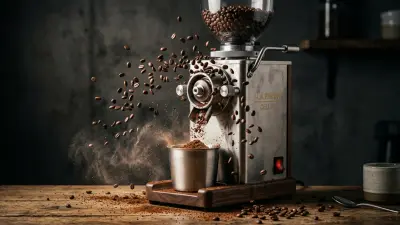
- Burr Grinders: This is what you want. Burr grinders work by crushing coffee beans between two abrasive surfaces (burrs). This creates a much more consistent and uniform grind, which is essential for proper extraction. They generate less heat and preserve more of your coffee's nuanced flavors.
Actionable Tip: Always, always choose a burr grinder. It's the single biggest improvement you can make to your coffee.
Conical vs. Flat Burrs: A Deeper Dive
Within the world of burr grinders, you'll mainly encounter two types:
- Conical Burrs: These consist of two cone-shaped burrs with ridges. They tend to be quieter, produce less static, and often have less coffee retention (meaning less old coffee stuck in the grinder). Many popular home grinders use conical burrs. Great for: Versatility, quieter operation, good for both espresso and brew methods.
- Flat Burrs: These have two parallel, ring-shaped burrs. They're often praised for producing a very uniform particle size distribution, sometimes described as having a "cleaner" or "brighter" cup profile. They can be a bit louder and may have more retention. Great for: Very high consistency, often preferred by espresso purists.
The Verdict: Both conical and flat burrs can produce excellent results. For home enthusiasts, the difference is often less significant than other features. Don't get too bogged down unless you're chasing very specific flavor profiles.
Manual vs. Electric: Convenience vs. Portability
Once you've decided on burrs, you need to pick your power source:
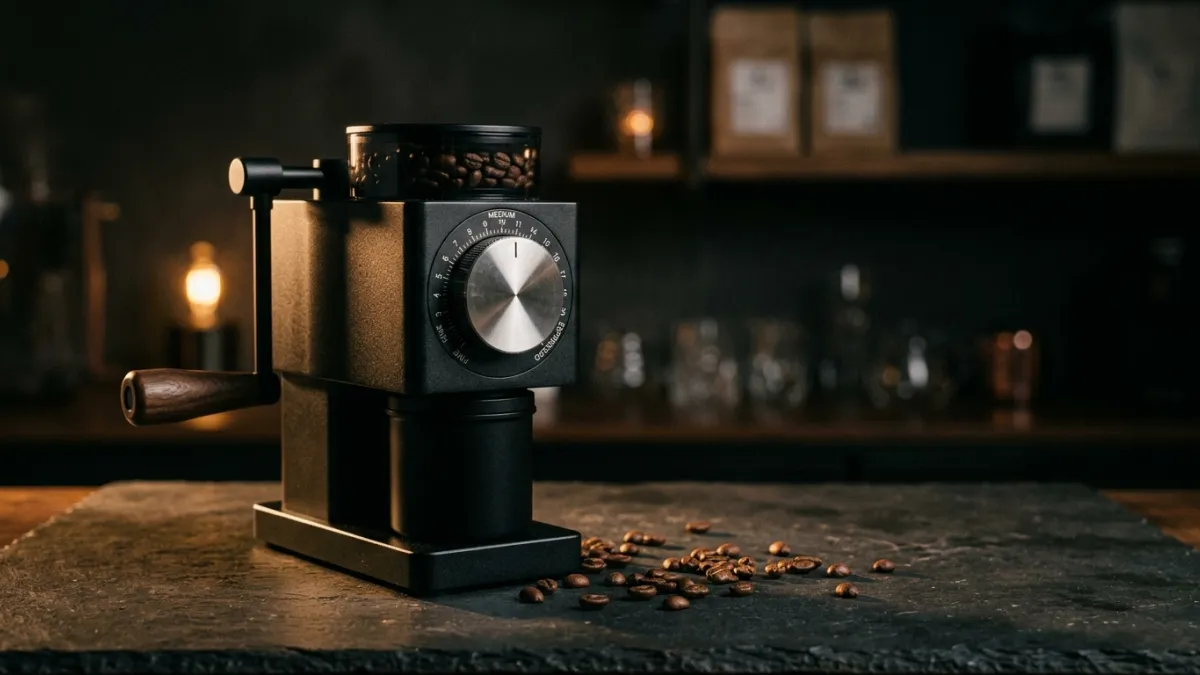
- manual grinders: Operated by hand, these are typically compact, quiet, and often very affordable for the grind quality they offer. They're perfect for single servings, travel, or if you appreciate the ritual. The downside is the effort required, especially for coarser grinds or multiple cups. Examples: Timemore C2/C3, Comandante C40 (premium), Hario Skerton Pro.
- electric grinders: These offer convenience and speed, allowing you to grind larger batches with minimal effort. They vary greatly in price and features. Examples: Baratza Encore (entry-level, brew-focused), Fellow Ode Brew Grinder (premium brew), Baratza Sette 270 (espresso-focused), Eureka Mignon Specialita (premium espresso).
Actionable Tip: If you primarily brew pour-over or French press for 1-2 people, a good manual grinder offers incredible value. For espresso or multiple daily brews, an electric grinder is usually worth the investment.
Key Features to Look For in a Grinder
Now that you know the basics, here’s what to scrutinize before you buy:
1. Grind Settings & Range
- Stepped vs. Stepless: Stepped grinders have fixed, predefined settings. They're great for repeatable results for methods like pour-over or French press. Stepless grinders allow for infinite micro-adjustments, which are absolutely crucial for dialing in espresso.
- Range: Does the grinder offer settings from fine (espresso, Turkish) to coarse (French press, cold brew)? Make sure it covers all your preferred brewing methods.
2. Burr Material: Steel vs. Ceramic
- Steel Burrs: Sharper, more durable, and generally preferred for their precision and longevity. They can be more expensive.
- Ceramic Burrs: Less expensive, but can chip more easily if a rogue pebble gets in. They also tend to wear down faster than steel. Good for entry-level manual grinders.
3. Motor Speed & Heat Generation
For electric grinders, a slower motor speed is generally better. It reduces heat build-up (preserving flavor) and static electricity (less mess). Look for grinders with gear reduction or direct-drive motors designed for lower RPMs.
4. Retention
This refers to the amount of ground coffee that gets stuck in the grinder after use. High retention means old, stale coffee might mix with your fresh grind. This is especially important for single-dosing users. Look for grinders designed with minimal retention.
5. Ease of Cleaning & Durability
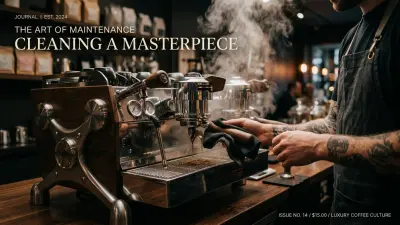
Can you easily disassemble the burrs for cleaning? Regular cleaning prevents oils from building up and affecting flavor. Also, consider the overall build quality – metal components generally last longer than plastic.
6. Noise Level
Electric grinders can be loud! If you live in an apartment or wake up early, a quieter model might be a priority. manual grinders are almost silent.
Your Grinder, Your Coffee
Investing in a quality burr grinder is truly the best step you can take to elevate your home coffee experience. It's the unsung hero that ensures every bean fulfills its potential, delivering a consistent, flavorful cup every time. Choose wisely, and your morning brew will thank you! For more brewing tips and detailed reviews, keep exploring Coffee Brew Hub!