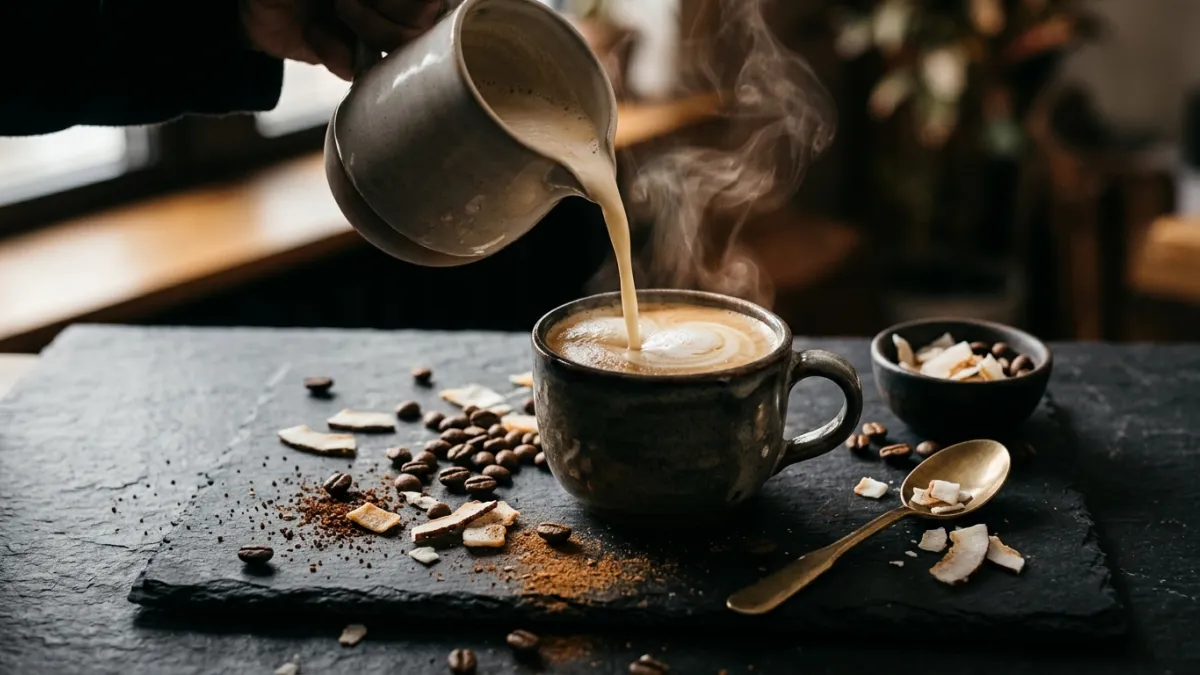
Embracing the Tropical Twist: Coconut Milk in Your Coffee
As home baristas, we're always on the hunt for new flavors and textures to elevate our coffee experience. While dairy has long been the standard, the world of plant-based milks offers exciting possibilities. Among them, coconut milk stands out with its unique tropical notes and creamy texture, promising a delightful twist to your daily brew. However, integrating it successfully requires a bit of know-how. At coffee brew hub, we're here to guide you through the art of brewing with coconut milk, from selecting the right coffee pairings to mastering that elusive perfect froth.
Why Coconut Milk for Your Coffee?
Coconut milk brings a distinctive character to coffee that other plant-based options can't replicate. Its natural sweetness and subtle tropical undertones can either beautifully complement or clash with your chosen beans. When done right, it adds a luxurious creaminess and an exotic aroma, transforming a regular latte into a mini-vacation in a mug.
Choosing Your Coconut Milk Wisely
Not all coconut milk is created equal, especially when it comes to coffee. Here’s what to look for:
- Carton vs. Canned: For coffee, always opt for coconut milk sold in the refrigerated section or shelf-stable cartons, often labeled "beverage" or "light." Canned coconut milk, typically used for cooking, is much thicker, higher in fat, and can separate easily in hot coffee, leading to an oily texture.
- Unsweetened is Key: Choose unsweetened varieties. This gives you full control over the sweetness profile of your drink, allowing the natural flavors of the coffee and coconut to shine without being overpowered by added sugars.
- "Barista Blends": Some brands offer "barista blend" coconut milk, specifically formulated with stabilizers and emulsifiers to froth better and prevent separation. These are an excellent starting point if you're serious about your lattes.
Perfect Pairings: What Coffees Shine with Coconut Milk?
The secret to a fantastic coconut milk coffee lies in finding a coffee that harmonizes with its unique flavor. You want beans that can stand up to coconut's richness without being overshadowed, and whose flavor notes complement rather than compete.
- Medium to Dark Roasts: These roasts often have lower acidity and a more developed flavor profile (think chocolate, caramel, nuts), which pairs beautifully with the creamy, slightly sweet notes of coconut milk. Avoid overly light or highly acidic coffees, as the acidity can sometimes clash or curdle with coconut milk.
- Nutty & Chocolatey Notes: Coffees with inherent notes of chocolate, nuts (almond, hazelnut), or caramel are natural allies. Origins like Brazil, Colombia, or many popular espresso blends often fall into this category, providing a comforting, familiar base that the coconut milk can enhance.
- Earthy & Bold Coffees: For a more adventurous pairing, consider coffees from Sumatra or other Indonesian regions. Their earthy, woody, and sometimes spicy notes can create a surprisingly robust and exotic flavor combination with coconut milk, reminiscent of a tropical spice blend.
- Naturally Processed Ethiopians: While some bright, fruity coffees might clash, naturally processed Ethiopians with distinct berry or tropical fruit notes can create a delightful synergy, amplifying the tropical vibe without being overly acidic.
Brew Methods for Best Results: For coconut milk beverages, espresso-based drinks (lattes, cappuccinos) are common. However, a strong Moka pot brew or even a French press can provide the robust base needed to stand up to the milk's flavor.
Mastering the Froth: Coconut Milk Edition
frothing coconut milk can be a bit trickier than dairy or even other plant-based milks due to its lower protein content. However, with the right technique and understanding, you can achieve a wonderfully creamy, albeit sometimes less structured, foam.
Tips for Success:
- Start Cold & Heat Gradually: Always begin with chilled coconut milk. Heat it slowly and consistently. Rapid heating can cause separation or prevent proper aeration.
- Barista Blends are Your Friend: As mentioned, barista-specific coconut milks are designed for frothing. If you're struggling, try one of these.
- Steaming Technique (Espresso Machine):
- Aeration: Introduce air just below the surface for the first 5-10 seconds, listening for a gentle "kissing" sound. You're aiming for volume, but not large, airy bubbles.
- Texturizing: Submerge the wand fully and position it to create a vortex, circulating the milk to incorporate the air and create a smooth, velvety microfoam. Heat to about 140-150°F (60-65°C).
- Tap & Swirl: Tap the pitcher firmly on the counter to eliminate large bubbles, then swirl gently to maintain the consistency before pouring.
- Electric Frothers: These are often the easiest and most consistent way to froth coconut milk at home. They typically produce a good, stable foam with minimal effort.
- French Press Method: Heat your coconut milk on the stovetop (do not boil). Pour it into a French press, and vigorously pump the plunger up and down for 30-60 seconds until a good foam forms.
Troubleshooting: If your coconut milk isn't frothing well, it might be too warm to start, heating too quickly, or simply not a suitable type for frothing. Don't be discouraged; experimentation is part of the home barista journey!
Putting It All Together: Coconut Milk Coffee Creations
With your perfectly paired coffee and expertly frothed coconut milk, the possibilities are endless:
- The Classic Coconut Latte: Pull a rich shot of espresso, then top with beautifully frothed coconut milk for a tropical twist on a favorite.
- Iced Tropical Coffee: Brew a strong coffee concentrate or cold brew, pour over ice, and add cold coconut milk for a refreshing, dairy-free delight. A splash of vanilla or a hint of cinnamon can elevate this further.
- Coconut Mocha: Combine your frothed coconut milk and espresso with a quality chocolate sauce for an indulgent, exotic treat.
Embrace the Coconut Adventure!
Brewing with coconut milk is an exciting journey into new flavors and textures. It might take a little practice to find your perfect pairing and frothing technique, but the reward is a uniquely delicious, dairy-free coffee experience. We encourage you to experiment with different roasts, origins, and brands of coconut milk. Share your successes and discoveries with the coffee brew hub community – happy brewing!