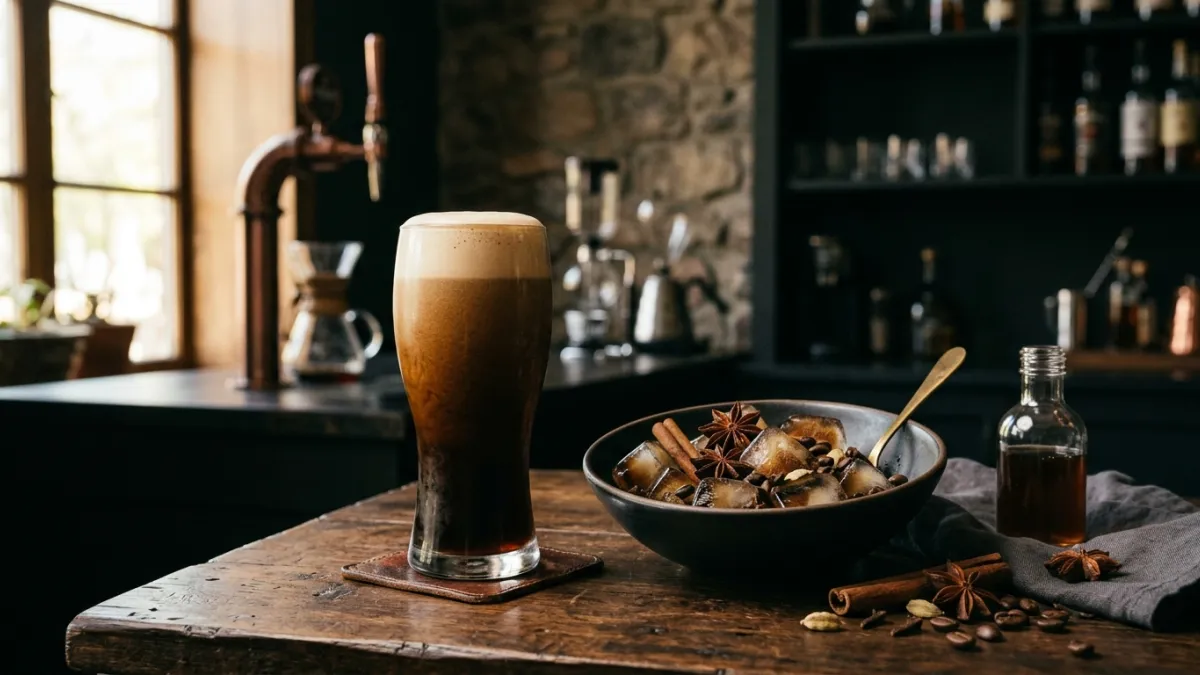
Quick answer: To elevate iced coffee beyond standard cold brew, utilize flash brewing (brewing hot directly over ice to lock in volatile aromatics) or double-strength espresso extractions as your base. Combine these concentrated, high-acidity bases with sparkling mixers, natural citrus oils, or botanical simple syrups using precise brew ratios (1:15 to 1:16) to create complex, well-balanced cold coffee drinks.
The Science of Cold Coffee Extraction
Understanding extraction dynamics is crucial when switching from hot coffee to iced beverages. Water temperature plays a vital role in dissolving soluble compounds from coffee grounds. Hot water between 90°C and 96°C (195°F–205°F) extracts organic acids, sugars, and aromatic oils rapidly, capturing light, volatile floral notes. In contrast, room-temperature water extracts slowly over many hours, leaving behind some delicate fruit acids while emphasizing deep, chocolatey, and earthy tones. When you pour hot coffee directly over standard ice cubes without adjusting your parameters, the rapid melting results in a watery, under-extracted beverage with low total dissolved solids (TDS). According to specialty coffee association (SCA) brewing standards, an ideal cup should target an extraction yield between 18% and 22% with a final TDS of 1.15% to 1.35%. To maintain these targets in iced preparations, you must compensate for dilution by altering your grind size, dose, or ice ratio. For flash-brewed pour-overs (often called Japanese iced coffee), the standard approach splits the total water weight: 60% hot water poured over grounds and 40% ice resting in the server. Because less hot water is used to extract the coffee, you must refine your grind size from medium-coarse down to medium-fine (roughly 500–700 microns) to maintain proper contact time. This ensures fully saturated extraction without channeling or astringency, locking in bright acidity while instantly chilling the liquid.
Essential Coffee Bases for Creative Iced Drinks
To craft exceptional iced drinks, selecting the correct brewing equipment and strategy is essential. A flat burr grinder, such as a Fellow Ode or Baratza Encore, provides particle uniformity that prevents muddy flavors. Using coffee beans roasted within 2 to 4 weeks ensures peak flavor compounds and ideal carbon dioxide degassing during the bloom phase. The three primary bases for advanced iced coffee are Flash Brew V60, Double-Strength Aeropress, and Chilled Espresso. Each brings distinct characteristics to a recipe. Flash brew highlights delicate Ethiopian or Kenyan single-origin beans, while double-strength AeroPress delivers a heavy body capable of standing up to rich syrups and dairy alternative milks. Espresso provides intense intensity and microfoam potential when shaken over ice in a cocktail shaker. To compare how these foundational methods perform under iced conditions, review the extraction parameters below. Adjusting these variables allows you to tailor your brew specifically to your preferred drink recipe without sacrificing sweetness or depth.
| Brewing Method | Dose & Ratio | Grind Size (Microns) | Water Temp | Target Extraction Characteristic |
|---|---|---|---|---|
| Flash Brew Pour-Over (V60) | 20 g coffee to 180 g water + 120 g ice (1:15) | Medium-Fine (500–600 µm) | 94°C (201°F) | High acidity, floral aromatics, crisp finish |
| Double-Strength AeroPress | 18 g coffee to 110 g water (1:6 base) | Fine (400–500 µm) | 90°C (194°F) | Full body, high concentration, rich sweetness |
| Shaken Espresso Shot | 18 g coffee to 36 g liquid espresso (1:2) | Fine Espresso (200–300 µm) | 93°C (199°F) | Intense flavor, dense tactile cremosity, bold backbone |
Barista's tip: A common mistake when making flash brew is using stale coffee or pouring too quickly over ice, which leads to immediate channeling in the paper filter. Always bloom your 20 g dose with 50 g of hot water for 45 seconds to fully saturate the bed before starting your main pours. This simple step stabilizes extraction yield and keeps your final drink from tasting sour or hollow.
3 Innovative Iced Coffee Recipes
Once you have mastered your chilled base, you can elevate your coffee experience beyond ordinary milk-and-sugar combinations. These elevated recipes combine sweet, bitter, acidic, and aromatic elements to highlight your coffee’s natural tasting notes.
1. Sparkling Grapefruit & Rosemary Flash Brew
This dynamic tonic-style drink pairs the vibrant acidity of a light-roast Ethiopian flash brew with juicy grapefruit and woody herbs. The naturally occurring citric acid in grapefruit highlights peach and berry notes in high-elevation Arabica beans, while sparkling water provides a effervescent texture.
- 120 ml fresh Flash Brew Pour-Over (light roast)
- 45 ml fresh pink grapefruit juice
- 15 ml rosemary simple syrup (1:1 sugar to water simmered with fresh rosemary)
- 90 ml premium tonic water or sparkling mineral water
- Fresh ice cubes and a sprig of slapped rosemary
To assemble, gently muddle the rosemary simple syrup and grapefruit juice in the bottom of a tall Collins glass. Fill the glass to the brim with large, solid ice cubes. Slowly pour in the sparkling water, then layer the chilled flash brew over the top using the back of a bar spoon to create a visual visual contrast. Garnish with a fresh sprig of slapped rosemary to release aromatic oils before serving.
2. Iced Shaken Espresso Oleo-Saccharum
Oleo-saccharum is an old-school bartender technique that extracts fragrant citrus oils from peel using raw sugar. When shaken vigorously with fresh espresso and ice, the natural emulsifiers create an incredible, silky foam head that mimics a nitro cold brew without specialized draft equipment.
- Double shot of espresso (18 g in, 36 g out)
- 15 ml citrus oleo-saccharum (made from orange and lemon peels)
- 30 ml oat milk or whole milk (optional for creaminess)
- 4–5 dense ice cubes
Pull a fresh double espresso shot directly into a cocktail shaker containing your citrus oleo-saccharum. Add fresh, hard ice cubes, cap the shaker tightly, and shake vigorously for 15 to 20 seconds until frost forms on the exterior. Strain the contents through a fine-mesh hawthorne strainer into an chilled coupe or rocks glass. Top with a splash of milk if desired, allowing the velvety head of foam to rest on top.
3. Cardamom & Coconut Cream Iced AeroPress
Inspired by traditional spiced coffees of the Middle East, this recipe pairs warm, spicy notes with rich coconut cream. A concentrated AeroPress brew provides the strength needed to cut through dense cream without diluting the underlying coffee profile.
- Concentrated AeroPress shot (18 g fine coffee, 100 g water brewed inverted)
- 1/4 tsp freshly crushed green cardamom pods
- 30 ml full-fat coconut milk mixed with 15 ml condensed milk
- Crushed ice
Add the freshly crushed green cardamom directly into your AeroPress chamber along with your dry coffee grounds before adding hot water. Steep inverted for 2 minutes, then plunge slowly over a glass packed with crushed ice. In a small pitcher, whisk together the coconut milk and sweetened condensed milk until smooth. Pour the sweet coconut mixture gently over the spiced iced coffee base, allowing it to cascade through the glass.
Optimizing Water, Ice, and Temperature Control
Water quality impacts your iced coffee just as much as bean selection. Since coffee is roughly 98% water, impurities, excess chlorine, or extreme mineral hardness can dull subtle flavors or introduce off-notes. Aim for filtered water with a total dissolved solids (TDS) range around 75–150 ppm, following Third Wave Water or SCA guidelines. Ice quality is another often overlooked factor in iced coffee preparation. Small, hollow ice cubes from freezer ice makers melt rapidly due to their high surface-area-to-volume ratio, causing unpredictable dilution before you finish drinking. Using large, solid ice cubes made from filtered water slows melting and maintains your drink's target ratio longer. Temperature management during assembly is vital for maintaining texture and flavor layering. Always cool hot-brewed concentrates slightly or pour them directly over substantial thermal mass (plenty of ice) to drop the temperature quickly. Rapid chilling preserves chlorogenic acids and prevents bitter oxidation, ensuring every sip tastes crisp, sweet, and perfectly balanced.
Recommendation for Home Baristas
If you want to immediately upgrade your summer menu, start by mastering the Japanese flash brew V60 using a clean, light-roast African coffee bean. Invest in a quality burr grinder to maintain consistent particle distribution, and replace standard freezer ice with large, clear ice cubes made from filtered water. Once you dial in your 1:15 brew ratio (splitting water 60/40 between hot water and ice), you can use this expressive, highly aromatic chilled coffee as a base for sparkling tonics, citrus shakes, and botanical mocktails.
Frequently Asked Questions
Why does my iced flash brew coffee taste watery?
Your brew is likely under-extracted due to an overly coarse grind or pouring hot water too fast. When flash brewing, you use less hot water to dissolve coffee solubles, so you must use a slightly finer grind size and extend your pour time to maintain proper extraction depth.
Can I store flash brew iced coffee in the fridge for later?
While flash brew can be stored in an airtight glass bottle in the refrigerator for up to 24 hours, it is best consumed fresh. Exposure to oxygen breaks down aromatic compounds and leads to increased acidity and stale flavors over time.
Is espresso better than cold brew concentrate for creative coffee drinks?
It depends on the recipe profile. Espresso offers intense flavor, high concentration, and natural emulsifying oils that create rich textures when shaken. cold brew concentrate provides a smoother, low-acid base that works well in large, slow-sipping layered drinks.
Sources
- Specialty Coffee Association (SCA) Standard Brewing Guidelines
- Wikipedia: Coffee Extraction Dynamics
- Fellow Products Manuals and Brewing Research