Master Your Brew: How to Read a Coffee Bag Label Like a Pro
Ever found yourself staring at a coffee bag, intrigued by the fancy descriptions but not quite sure what they all mean for your morning cup? You’re not alone! For us home coffee enthusiasts, the label on a bag of specialty coffee isn't just marketing—it's a treasure map to incredible flavor. Understanding these details is your first step towards consistently brewing better coffee.
Think of me as your trusted barista friend, here to demystify those labels. By the end of this article, you'll know exactly what to look for, what it means, and how to use that knowledge to pick the perfect beans every time.
The Essential Trio: Roast Date, Origin, and Processing
While coffee bags can offer a wealth of information, three pieces of data are absolutely critical for any home brewer looking to up their game: the Roast Date, the Origin, and the Processing Method. Let’s break them down.
1. The Roast Date: Freshness is King
This is arguably the single most important piece of information on any coffee bag. Coffee is an agricultural product, and like fresh produce, it has a peak freshness window. Once roasted, coffee beans begin to degas (release CO2) and slowly lose their volatile aromatic compounds, which are responsible for all those amazing flavors and aromas we love.
- What to look for: You'll typically see "Roasted On," "Roast Date," or simply a date printed or stickered on the bag, often near the bottom or top seam. If you can't find a roast date, it's usually a red flag.
- Why it matters:
- Peak Flavor: Coffee typically tastes best between 5 and 20 days post-roast. This allows enough time for degassing, which prevents excessive bubbling and uneven extraction during brewing, but is still within the window where flavors are vibrant.
- Stale Coffee: After about 4-6 weeks (depending on storage), coffee starts to taste flat, dull, and can even develop papery or woody notes.
- Actionable Tip: Always buy coffee with a clearly marked roast date. Aim to consume it within 3-4 weeks of that date for the best experience. Store your beans in an airtight container away from light, heat, and moisture, ideally in their original bag with the one-way valve.
2. The Origin: Where Flavor Begins
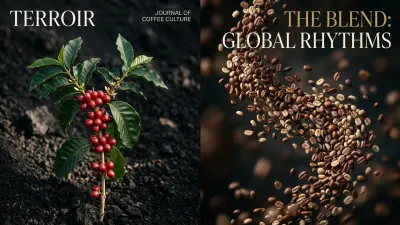
Just like wine, coffee flavor is heavily influenced by its "terroir"—the unique combination of soil, climate, altitude, and local farming practices where it's grown. The origin tells you a lot about the potential flavor profile of the beans.
- What to look for: Bags will list the country, often the region, and sometimes even the specific farm, washing station, or cooperative. You might also see elevation (e.g., "1800 MASL" - meters above sea level).
- Why it matters: Different regions are famous for distinct flavor characteristics:
- Ethiopia: Often bright, floral, tea-like, with notes of berries or citrus.
- Colombia: Typically balanced, medium-bodied, with notes of caramel, chocolate, and red fruit.
- Brazil: Often nutty, chocolatey, low acidity, and a heavy body, making them great for espresso.
- Kenya: Known for complex berry notes (blackcurrant!), bright acidity, and a wine-like quality.
- Central America (e.g., Costa Rica, Guatemala): Generally clean, balanced, with notes of chocolate, nuts, and apple-like acidity.
- Actionable Tip: If you find a coffee you love, note its origin! This helps you explore similar profiles. Don't be afraid to try different origins to discover new favorites. The higher the altitude, generally the denser the bean, leading to more complex acidity and sweetness.
3. The Processing Method: Unlocking Flavor Potential
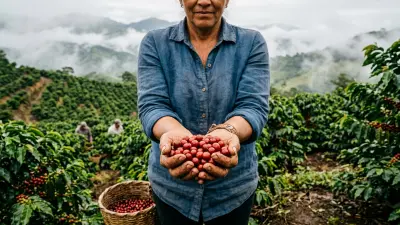
After coffee cherries are picked, the beans inside must be separated from the fruit. How this is done—the processing method—has a profound impact on the final flavor of your coffee. It's a crucial step that can enhance sweetness, acidity, or body.
- What to look for: Labels usually state "Washed," "Natural," "Honey," or "Pulped Natural."
- Why it matters:
- Washed (or Wet) Process: The fruit is removed before drying. This method typically results in a very clean, bright, and acidic cup, allowing the inherent flavors of the bean and its origin to shine through. Think crisp and vibrant.
- Natural (or Dry) Process: The entire coffee cherry is dried with the bean still inside, like a raisin. This process allows the fruit's sugars and flavors to infuse into the bean, leading to a coffee that is often very fruity, sweet, full-bodied, and sometimes wine-like or boozy. Expect bold and complex flavors.
- Honey (or Pulped Natural) Process: A hybrid method where the skin is removed, but some or all of the sticky mucilage (the "honey" layer) is left on the bean to dry. This results in a coffee with a balance of sweetness and acidity, often with a rounder body and balanced fruitiness—a sweet spot between washed and natural.
- Actionable Tip: If you've only tried one type of processing, seek out others from the same origin to taste the difference! For example, an Ethiopian Washed will taste very different from an Ethiopian Natural.
Other Valuable Clues on Your Coffee Bag
While the trio above is essential, here are a few more details that can deepen your coffee knowledge:
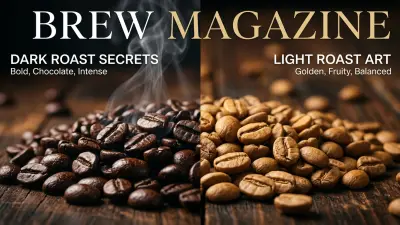
- Roast Level: Light, Medium, Dark. This is often subjective, but generally, lighter roasts preserve more of the bean's origin characteristics, while darker roasts emphasize roast-derived flavors (smoky, bittersweet). specialty coffee often leans towards light to medium roasts.
- Varietal: The specific botanical variety of the coffee plant (e.g., Bourbon, Typica, Geisha). Different varietals have unique genetic flavor potentials.
- Tasting Notes: Descriptions like "notes of blueberry, jasmine, chocolate." These are subjective suggestions from the roaster to guide your palate, not a guarantee that your coffee tastes *exactly* like blueberries.
- Certifications: Fair Trade, Organic, Rainforest Alliance. These tell you about the ethical and environmental practices behind your coffee.
Your Coffee Journey Starts Here
Now you're equipped with the knowledge to truly read your coffee bag labels. No longer will you pick beans blindly! By paying attention to the roast date for freshness, the origin for inherent flavors, and the processing method for its impact on the cup, you’re well on your way to selecting beans that perfectly match your preferences and brewing fantastic coffee every single time. Happy brewing, coffee friend!