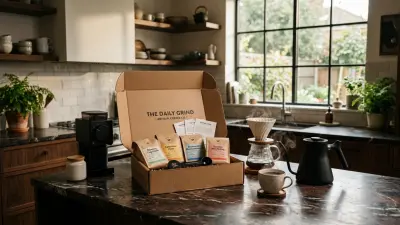
Quick answer: The best coffee subscriptions in 2025 depend entirely on your coffee personality: Trade Coffee offers the unmatched algorithmic curation for discovering varied domestic roasters, Atlas Coffee Club is ideal for single-origin global exploration, and services like Blue Bottle Coffee excel at dialed-in consistency for espresso and light-roast purists.
The Science of Freshness and Subscription Standards
When evaluating a subscription service, bean freshness stands as the absolute non-negotiable metric. specialty coffee beans experience a dynamic degassing period where carbon dioxide trapped during the roast escapes over several days. Peak flavor extraction typically occurs between 7 and 21 days post-roast, depending on roast density and profile. Top-tier subscription services ensure that beans are shipped within 24 to 48 hours of leaving the drum, guaranteeing you receive them right at the start of their optimal window.
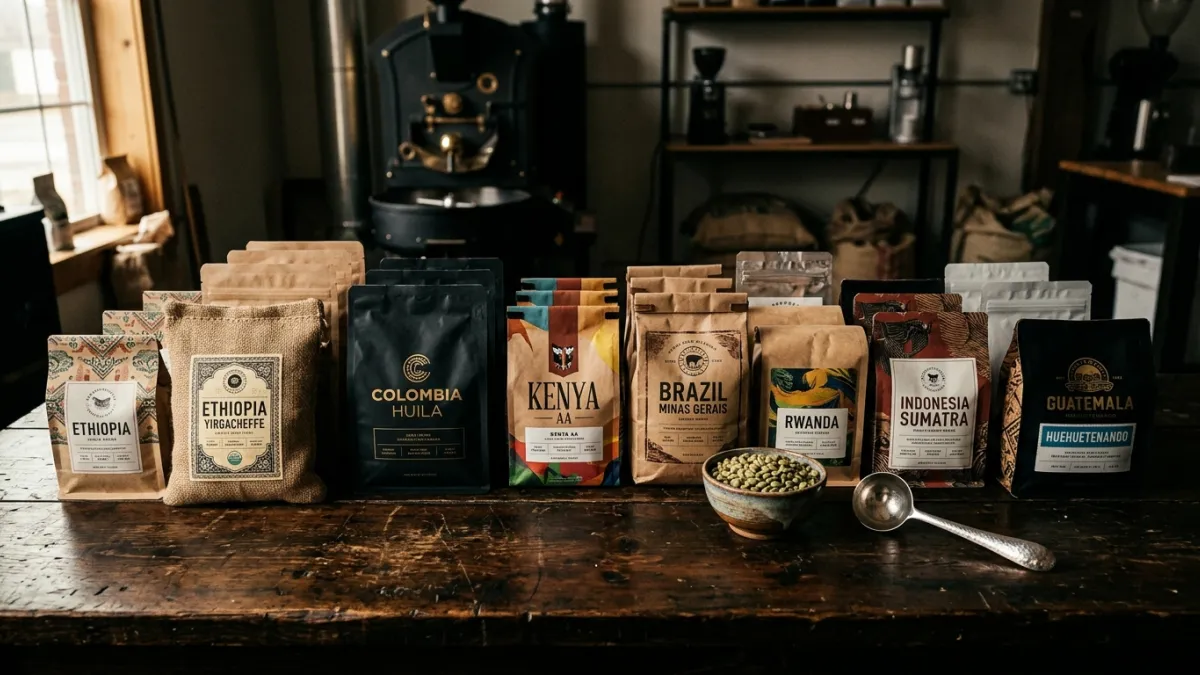
Beyond simple logistics, the modern subscription landscape focuses heavily on ethical sourcing and bean traceability. Understanding the journey from farm to cup requires looking for transparent sourcing models, such as Direct Trade or specialty coffee Association (SCA) certified lots that score consistently above 80 points. These coffees feature distinct terroir traits—like the bright citric acidity of a washed Ethiopian Yirgacheffe or the heavy, chocolatey body of a natural process Brazilian Yellow Bourbon—that mass-market store shelves simply cannot replicate.
Barista's tip: Pay close attention to bean rest times after opening your shipment. If you pull an espresso shot using beans roasted just yesterday, excessive CO2 will create false crema, channel heavily through your puck, and produce a sharp, under-extracted taste. Give light-to-medium roasts at least 5 to 7 days of rest off the roast before dialing them in on a flat burr grinder.
Tailoring subscription parameters to your hardware is equally critical. Premium subscriptions allow you to specify whether you need whole beans or custom grind sizes. To get the most out of high-end offerings, we recommend pairing fresh beans with a quality burr grinder, such as a Baratza Virtuoso+ or Fellow Ode Gen 2, which ensures uniform particle size distribution whether you are aiming for a coarse French press slurry or a fine 250-micron V60 drip.
Comprehensive Breakdown: Top Subscriptions Tested
To establish which services offer the highest value, variety, and reliability in 2025, we tested several leading contenders using a standardized V60 pour-over protocol (18 g coffee to 300 g water at 93 °C / 200 °F, achieving an average total dissolved solids reading of 1.35%). Here is how the top services compare across key performance indicators.
| Subscription Name | Best For | Roast Selection | Frequency Control | Price Range (per bag) |
|---|---|---|---|---|
| Trade Coffee | Maximum Variety & Curation | Light to Dark, Espresso, Decaf | 1 to 4 Weeks | $15.75 – $22.00 |
| Atlas Coffee Club | Global Single-Origin Education | Light to Dark (Origin Focused) | 2 or 4 Weeks | $14.00 – $16.00 |
| Blue Bottle Coffee | Precision Single-Origins & Blends | Light to Medium Specialties | 1 to 4 Weeks | $18.00 – $24.00 |
| Driftaway Coffee | Tasting & Palate Building | Light to Dark Profiles | 2 to 4 Weeks | $17.00 – $21.00 |
Trade Coffee: The Ultimate Curation Platform
Trade operates as an intelligent marketplace connecting consumers with over 55 boutique roasters nationwide. Their onboarding quiz analyzes your preferred brew method—whether that is a Moka pot, Aeropress, or commercial pour-over—alongside your milk additions and flavor preferences. This data matches you with roasters like Onyx Coffee Lab, Verve, and Sightglass, creating a truly tailored supply line.
The platform's strength lies in its algorithm and massive variety. If a bag fails to impress, Trade offers a free replacement guarantee, taking the risk out of trying unknown roasters. Their dashboard allows fine control over shipping schedules, letting you adjust delivery intervals from 7 to 30 days based on your actual consumption rate.
Atlas Coffee Club: Terroir-Driven World Tours
Atlas approaches coffee as an educational journey. Every month features coffee sourced exclusively from a single country, ranging from iconic origins like Colombia and Kenya to lesser-known regions such as Myanmar and Burundi. Each box arrives with high-art postcards detailing the country's coffee history, detailed flavor cards, and specific recommended brew ratios.
While Atlas does not offer multi-roaster selection like Trade, their internal roasting team profiles each lot to highlight regional terroir. It is an ideal entry point for home baristas looking to train their palate to recognize how soil composition, altitude, and microclimates influence bright sweetness or earthy undertones.
Brew Optimization and Technical Specifications
Investing in a premier subscription is only half the battle; proper extraction technique is required to unlock the nuanced flavors described on the bag. specialty coffee calls for deliberate water-to-coffee ratios, temperature controls, and precise timing. Experimenting with our guide to mastering pour-over techniques can help convert those subscription beans into cafe-quality drinks.
- Golden Brew Ratio: Maintain a strict ratio between 1:15 and 1:17 (e.g., 18 grams of ground coffee to 300 grams of filtered water).
- Water Temperature: Target 90 °C to 96 °C (195 °F to 205 °F). Use lower temperatures (90–92 °C) for darker roasts to reduce bitterness, and higher ranges (94–96 °C) for dense light roasts to boost extraction yield.
- Water Quality: Avoid untreated tap water. Aim for water with total dissolved solids (TDS) around 75–150 ppm to prevent muted acidity or flat extraction.
- Bloom Phase: Pour twice the weight of the coffee bed in water (e.g., 36 g for an 18 g dose) and allow it to degas for 30 to 45 seconds before continuing your main pours.
Understanding these variables helps troubleshoot disappointing brews. For instance, if a floral Panamanian Geisha tastes hollow or sour, your grind size is likely too coarse, leading to sub-optimal extraction (below 18% extraction yield). Conversely, an unpleasant astringent dryness signals over-extraction, requiring a slightly coarser grind setting or a lower brew temperature. Exploring different roast level characteristics will assist you in adjusting variables effectively.
Choosing the Right Service for Your Kitchen Setup
Matching a subscription service to your daily workflow depends heavily on your primary brewing hardware. An espresso enthusiast utilizing a high-pressure portafilter requires vastly different bean characteristics than an immersion brewer working with a French press or AeroPress.
For espresso purists aiming for a 1:2 yield in 25–30 seconds, consistency in roast development is vital. Services offering dedicated dark or medium espresso blends, such as Blue Bottle's Hayes Valley or Trade's espresso-curated tracks, provide the necessary solubility and crema stability. Single-origin light roasts can taste aggressively sour under high pressure unless extracted on advanced, pressure-profiling machines.
Filter coffee lovers using flat-bottom or conical drip systems gain the most from dynamic light-roast single origins. Subscriptions that clearly publish roast dates, processing details (such as anaerobic fermentation or washed process), and elevation metrics give filter enthusiasts the raw material required to experiment with pour-over variables. Check out our detailed reviews on burr coffee grinders to ensure your setup can keep pace with premium beans.
Optimal Selection Strategy
If you prefer discovering diverse flavors from top-tier domestic roasters, launch your subscription journey with Trade Coffee set to whole beans and tailored to your primary brew method. If your goal is to learn about global origins and processing methods through structured monthly shipments, start with Atlas Coffee Club using a standard 2-week delivery frequency.
Frequently Asked Questions
How fresh are the coffee beans when they arrive?
Most premium subscription services roast beans to order. They ship within 24 to 48 hours of roasting, meaning your coffee typically arrives 3 to 5 days post-roast—right at the beginning of its peak flavor window.
Should I order whole bean or pre-ground coffee?
We strongly recommend ordering whole beans. Coffee begins oxidizing rapidly within minutes of grinding, losing volatile aromatic compounds. Grinding immediately before brewing preserves flavor clarity and allows you to adjust grind sizes for precise extraction.
Can I pause or adjust my delivery schedule?
Yes, all reputable modern subscriptions allow you to easily pause, skip, reschedule, or cancel deliveries through an online dashboard without long-term commitments or penalty fees.
What water-to-coffee ratio should I start with for subscription beans?
A reliable standard starting point across filter methods (V60, Chemex, drip) is a 1:16 ratio—for example, using 18 grams of fresh coffee to 288 grams (or mL) of water off the boil.
Sources
- Specialty Coffee Association (SCA) Standards
- Wikipedia: Coffee Roasting Principles
- Baratza Precision Grinder Specifications & Technical Manuals