As passionate home baristas, we’re always chasing that perfect cup, that moment of pure coffee bliss. But have you ever wondered what truly separates a good cup from an extraordinary one? The answer often lies in the world of specialty coffee. More than just a buzzword, specialty coffee represents the pinnacle of quality, transparency, and dedication across the entire coffee supply chain.
At Coffee Brew Hub, we believe understanding specialty coffee is the first step to truly mastering your brew and turning your kitchen into a personal café. Let’s dive into what makes this category so special, how it’s graded, and why ethical sourcing is paramount.
The Essence of Specialty Coffee: More Than Just a Bean
In its simplest terms, specialty coffee refers to coffee that has achieved an exceptional standard of quality at every stage, from seed to cup. Unlike commodity coffee, which is traded in large volumes with little regard for origin or specific quality attributes, specialty coffee is meticulously cultivated, harvested, processed, roasted, and brewed to highlight its unique flavor characteristics.
Think of it like fine wine – you don’t just buy “red wine.” You look for a specific varietal, region, and vintage that promises a certain experience. specialty coffee offers that same level of distinction and transparency, allowing you to trace your beans back to a specific farm, region, and often, even the farmer who grew them.
Decoding Quality: How Specialty Coffee Is Graded
The journey to becoming “specialty” is rigorous, involving strict standards set by organizations like the specialty coffee Association (SCA). Coffee is evaluated on two main fronts: physical characteristics of the green beans and, most importantly, its sensory attributes once brewed.
The 100-Point Cupping Score
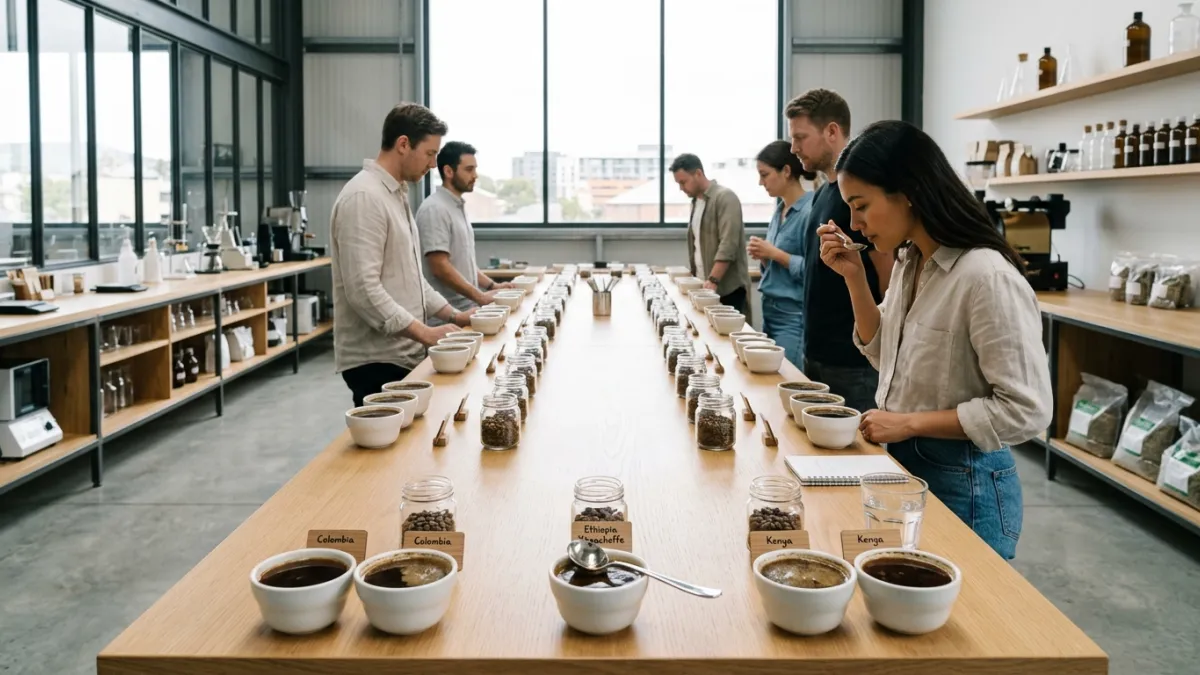
The definitive test for specialty coffee is a process called cupping. Trained professionals, known as Q Graders, evaluate roasted and brewed coffee samples using a standardized protocol. Each coffee receives a score out of 100 points across various attributes. To be considered specialty grade, a coffee must score 80 points or higher.
- Fragrance/Aroma: The smell of the dry and wet grounds.
- Flavor: The primary taste sensation, including nuances and complexity.
- Aftertaste: The lingering flavor once the coffee is swallowed.
- Acidity: The brightness and lively quality, not sourness.
- Body: The mouthfeel or weight of the coffee on the tongue.
- Balance: How well all the flavors and characteristics harmonize.
- Uniformity: Consistency of flavor across multiple cups.
- Clean Cup: Absence of any negative or distracting flavors.
- Sweetness: Presence of pleasant sweet tastes, not necessarily sugar.
- Defect Free: Absence of any primary or secondary defects that detract from quality.
Physical Bean Grading
Before cupping, green coffee beans undergo a thorough physical inspection. This involves assessing:
- Defect Count: The number of imperfect beans (e.g., broken, insect-damaged, unripe). specialty coffee has very strict limits on defects, particularly primary defects like black beans or large stones.
- Moisture Content: Ensuring beans are dried to an optimal level (typically 10-12%) for stable storage and even roasting.
- Bean Size and Density: Uniformity in size and density can indicate consistent growing conditions and impact roasting.
These physical checks ensure a high-quality raw product, but the cupping score ultimately determines its specialty status.
The Journey from Farm to Cup: Sourcing Specialty Coffee
Sourcing is a critical pillar of specialty coffee. It’s not just about finding great beans; it’s about building relationships and ensuring sustainability throughout the entire value chain.
Traceability and Transparency
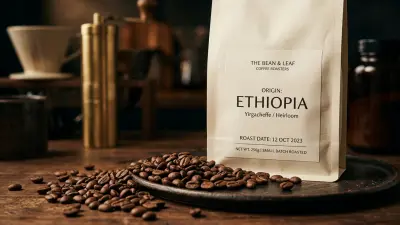
A hallmark of specialty coffee is its traceability. You should be able to know the coffee’s country of origin, region, specific farm or cooperative, and often even the varietal. This transparency allows you to understand the unique terroir and processing methods that contribute to the coffee’s distinct flavor profile.
Ethical and Sustainable Practices
Specialty coffee demands a commitment to ethical and sustainable practices. This often translates to:
- Fair Prices for Farmers: Specialty coffee commands significantly higher prices than commodity coffee, ensuring farmers can earn a living wage, invest in their farms, and produce even higher quality beans.
- Direct Trade: Many specialty roasters engage in direct trade, forging direct relationships with farmers, cutting out intermediaries, and building trust.
- Environmental Stewardship: Promoting shade-grown coffee, sustainable water usage, and biodiversity.
- Social Responsibility: Supporting communities, fair labor practices, and safe working conditions.
When you purchase specialty coffee, you’re not just buying a beverage; you’re supporting a global ecosystem committed to quality and equity.
Why This Matters to Your Home Brewing Experience
Understanding specialty coffee profoundly impacts your journey as a home barista:
- Unrivaled Flavor: Specialty coffee offers a far more complex and nuanced flavor experience, revealing notes of fruit, chocolate, nuts, florals, and spices that are simply absent in commodity coffee.
- Consistency and Reliability: The rigorous grading and sourcing processes mean you’re getting a consistently high-quality product that performs well in your brewing equipment.
- Empowered Choice: Knowing about grades and sourcing empowers you to make informed decisions, choosing coffees that align with your taste preferences and ethical values.
- A Deeper Appreciation: It transforms your daily cup into an experience, connecting you to the hard work, dedication, and artistry involved in bringing that exceptional coffee to your mug.
Embracing specialty coffee is about elevating your brewing, expanding your palate, and supporting a better coffee world. Start exploring, experiment with different origins and roasts, and truly taste the difference that quality makes. Happy brewing!