Why Your Grinder Matters More Than You Think
Hey coffee enthusiasts! As your friendly neighborhood barista, I can't stress this enough: a great cup of coffee starts with a great grind. It's the foundation of extraction, and even the fanciest beans will fall flat if not ground properly. Forget blade grinders – if you're serious about your coffee, a burr grinder is non-negotiable. But once you're in the burr grinder world, you'll encounter a crucial choice: conical vs. flat burrs. Let's dive deep and demystify these coffee workhorses!
What Exactly Are Burr Grinders?
Unlike blade grinders that 'chop' beans into uneven fragments, burr grinders crush coffee beans between two abrasive surfaces (the burrs). This process produces a much more consistent particle size, which is vital for even extraction and a delicious cup. The consistency of these particles – how uniform they are – is where conical and flat burrs start to show their true colors.
Conical Burr Grinders: The Versatile All-Rounder
How They Work
Imagine an inner cone-shaped burr that sits inside an outer ring burr. As beans fall between them, the inner cone rotates, crushing the beans against the static outer ring. The grind setting is adjusted by changing the distance between these two burrs. They typically operate at lower RPMs (revolutions per minute).
Pros of Conical Burr Grinders
- Quieter Operation: Generally, conical grinders tend to be a bit quieter than their flat-burr counterparts, which is a big plus for early morning brewing.
- Less Retention: Due to their design and the way coffee passes through them, conical burrs often have less "retention" – meaning less ground coffee gets stuck in the grinder after each use. This is great for single-dosing!
- Versatility: They excel across a wide range of grind sizes, from fine espresso to coarse French press, making them a fantastic all-rounder for home baristas who enjoy various brewing methods.
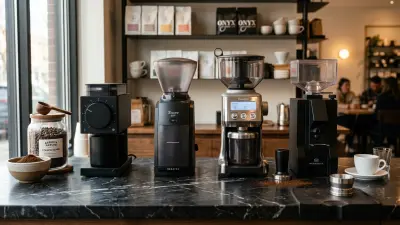
- Cost-Effective: Many excellent entry to mid-level burr grinders, like the Baratza Encore or Breville Smart Grinder Pro, feature conical burrs, offering great value.
Cons of Conical Burr Grinders
- Grind Uniformity: While excellent, some argue that conical burrs can produce slightly more "fines" (very tiny particles) at coarser settings, which can sometimes lead to a muddier cup with pour-over or French press.
- Less Clarity for Filter: For those obsessed with hyper-clarity in their pour-overs, some high-end flat burrs might offer a slight edge.
Best For:
Home baristas who brew a mix of espresso, pour-over, and drip coffee; those on a budget; single-dosers; and anyone needing a quieter grinder.
Flat Burr Grinders: The Uniformity Champion
How They Work
Flat burr grinders feature two parallel ring-shaped burrs. One burr is stationary, and the other rotates, grinding the coffee beans as they pass between them. The coffee enters from the center, moves outwards, and is ground finer as it approaches the edges. Grind adjustment changes the distance between these two flat surfaces.
Pros of Flat Burr Grinders
- Exceptional Grind Uniformity: This is where flat burrs shine. They're renowned for producing a highly consistent particle size with fewer fines and boulders (large particles). This consistency leads to more even extraction.
- Clarity and Sweetness: The superior uniformity often translates to a cleaner, sweeter cup, especially noticeable in pour-over and other filter methods, where clarity is paramount.
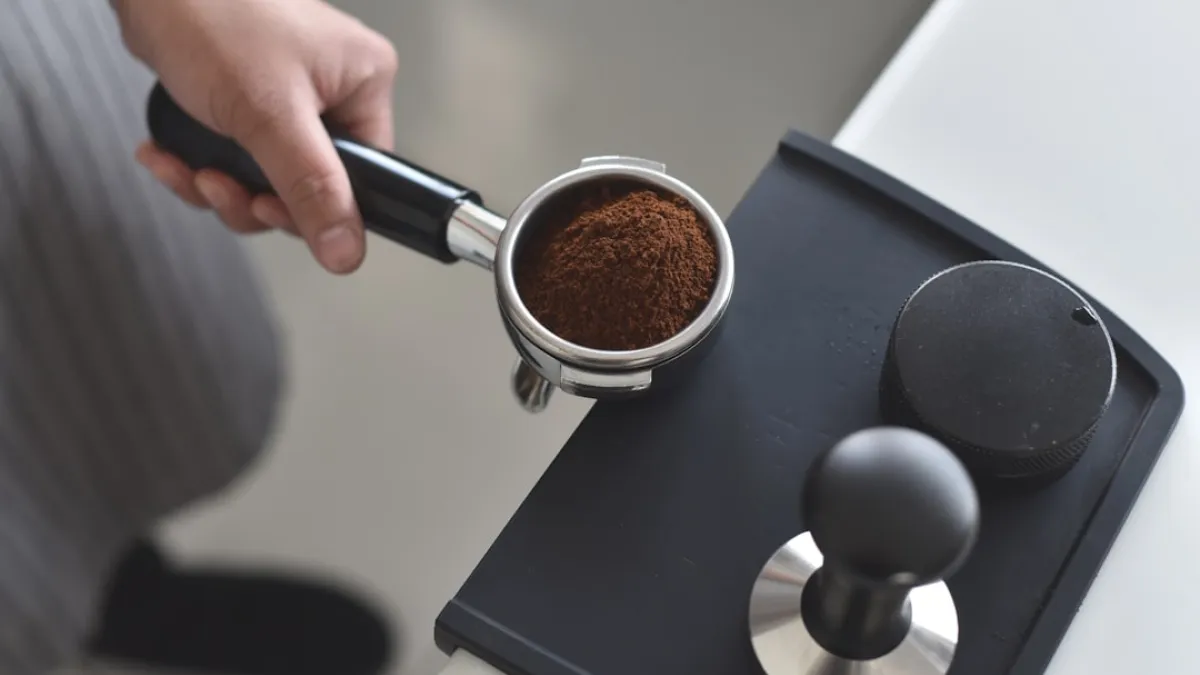
- "Fluffy" Grounds: Many users report that flat burrs produce a noticeably fluffier, less clumpy grind, which is excellent for even distribution in an espresso portafilter.
Cons of Flat Burr Grinders
- Noise Level: Flat burrs often operate at higher RPMs and can be noticeably louder than conical grinders.
- Higher Retention: Some designs can retain more ground coffee in the chute, which means you might lose a gram or two between doses, potentially impacting freshness if not purged.
- Heat Generation: Due to higher RPMs, flat burrs can generate more heat, which *can* slightly affect the delicate aromatics of your coffee if grinding large quantities at once. For home use, this is rarely an issue.
- Higher Cost: Quality flat burr grinders typically start at a higher price point than entry-level conical options. Examples include the Fellow Ode Brew Grinder (Gen 2) (for filter) or the Eureka Mignon Specialita (for espresso).
Best For:
Home baristas prioritizing ultimate clarity and sweetness in their pour-overs or AeroPress; those seeking top-tier espresso consistency; and anyone for whom grind uniformity is the absolute highest priority.
Conical vs. Flat: The Key Differences at a Glance
Here’s a quick breakdown to help you compare:
| Feature | conical burr grinders | Flat burr grinders |
|---|---|---|
| Grind Uniformity | Very good, versatile across sizes; can produce more fines at coarser settings. | Excellent, highly uniform particle size; fewer fines and boulders. |
| Noise Level | Generally quieter. | Often louder. |
| Retention | Typically lower. | Can be higher in some designs. |
| Heat Generation | Lower. | Potentially higher (minimal impact for home use). |
| Cost Range | Good entry-level to high-end options. | Mid-range to high-end (generally pricier). |
| Ideal for | All-rounder (espresso, pour-over, drip). | Filter/pour-over clarity, high-end espresso. |
Which One Should YOU Choose? Actionable Advice!
The "better" grinder truly depends on your priorities and brewing habits:
- You're on a budget and want a great all-rounder: Start with a quality conical burr grinder like the Baratza Encore. It’s an industry favorite for good reason and will significantly elevate your coffee.
- Espresso is your main focus: Both types can produce excellent espresso. High-end conical grinders (e.g., Niche Zero) are superb for single-dosing espresso. High-end flat burrs (e.g., Eureka Mignon series, Baratza Sette) often provide a very consistent, fluffy grind for dense espresso pucks, leading to precise extractions. If you value absolute consistency and clarity in espresso, a flat burr might be your choice.
- You prioritize clarity and sweetness in filter coffee (pour-over, AeroPress, French press): A good flat burr grinder will likely give you the edge. Options like the Fellow Ode Brew Grinder (Gen 2) are specifically designed for this purpose, delivering incredibly clean cups.
- Noise is a significant concern: Opt for a conical burr grinder.
- You single-dose your coffee: Many conical grinders excel here due to lower retention. However, some flat burr grinders (like the Fellow Ode) are also designed with single-dosing in mind.
The Bottom Line
Both conical and flat burr grinders are vastly superior to blade grinders and can produce fantastic coffee. There's no single "best" type; it's about matching the grinder to your specific needs, brewing methods, and budget. Invest in the best burr grinder you can afford, and always grind your beans fresh, right before brewing. Your taste buds will thank you!