The Unmistakable Allure of Kenyan Coffee
If you've ever tasted a truly great Kenyan coffee, you know there's something distinctly special about it. It’s a coffee that often stands out in a lineup, characterized by its dazzling acidity, complex fruit notes, and a captivating brightness that wakes up your palate. For home coffee enthusiasts, diving into Kenyan beans, especially the renowned AA grade, is an essential journey. So, what exactly makes Kenyan coffee so unique?
Where Earth Meets Excellence: Terroir and Cultivation
Kenya's central highlands, situated on the slopes of Mount Kenya, provide an ideal environment for growing exceptional coffee. It’s a combination of several critical factors:
- High Altitude: Coffee grows between 1,400 to 2,000 meters above sea level. This high elevation leads to slower cherry maturation, allowing the beans to develop a denser structure and more complex sugars and acids.
- Volcanic Soil: The rich, red volcanic soil is incredibly fertile and packed with nutrients, contributing to the coffee’s distinctive flavor profile.
- Bimodal Rainfall: Two distinct rainy seasons ensure consistent water supply, crucial for healthy plant growth and cherry development.
- Unique Varieties: While many countries cultivate Arabica, Kenya is particularly known for its SL28 and SL34 varietals. These cultivars, developed in the 1930s by Scott Agricultural Laboratories (hence "SL"), are prized for their resistance to drought and disease, but more importantly, for their incredible flavor potential—contributing to the signature blackcurrant and citrus notes.
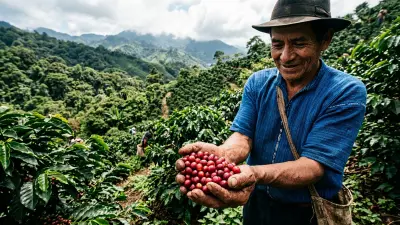
Most Kenyan coffee is grown by smallholder farmers who bring their cherries to central cooperative wet mills, known as "factories." This system ensures quality control and consistent processing.
The Art of Processing: Kenya's Double Fermentation
One of the most defining characteristics of Kenyan coffee is its meticulous wet processing method, often involving a "double fermentation" process that significantly contributes to its vibrant acidity and clean cup profile.
- Cherry Sorting: Farmers meticulously hand-pick only ripe, red cherries.
- Pulping: Cherries are pulped to remove the outer skin and some fruit pulp.
- First Fermentation (Wet): The pulped beans are submerged in water for 12-24 hours. This initial fermentation breaks down the mucilage.
- Washing: Beans are then thoroughly washed to remove residual mucilage.
- Second Fermentation (Dry): Crucially, the beans are often subjected to a second, shorter "dry" fermentation (often 12-24 hours) in tanks without water. This unique step further develops the complex acids.
- Soaking: After the second fermentation, beans are soaked in clean water for another 12-24 hours, which is believed to enhance cup clarity and even out moisture content.
- Drying: Finally, the beans are slow-dried on raised beds under the sun. This controlled drying period, often lasting 7-15 days, ensures even moisture reduction and prevents off-flavors. Workers regularly turn the beans to promote uniform drying.
This elaborate process, particularly the double fermentation and soaking, is instrumental in creating the bright, winey, and intensely fruity characteristics that Kenyan coffees are famous for.
Understanding the AA Grade: Size Matters
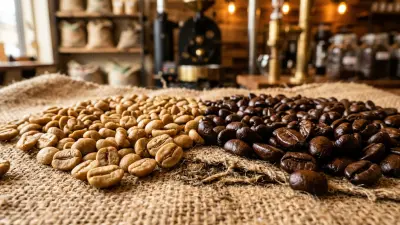
The Kenyan grading system is primarily based on the size and density of the green coffee beans after processing and milling. While there are several grades (AA, AB, PB, C, T, TT), AA is widely considered the premium grade.
- AA: These are the largest beans, screen size 17/18 (meaning they pass through a screen with 17/64-inch holes but are retained by an 18/64-inch screen). Larger beans are often associated with higher density and a more uniform roast, leading to a more consistent and potentially complex flavor development.
- AB: Slightly smaller than AA, screen size 15/16. Still excellent quality.
- PB (Peaberry): A natural mutation where only one round bean develops inside the cherry, rather than two half-beans. Peaberries are often celebrated for their concentrated flavor.
While size doesn't always directly correlate with flavor quality, AA beans are generally more uniform and dense, which contributes to an even roast and allows their inherent complexity to shine through. When you see "Kenya AA" on a bag, you're looking at beans selected for their premium physical characteristics, indicative of meticulous sorting and processing.
The Signature Flavor Profile of Kenyan AA
Prepare for a symphony of flavors when you brew a Kenyan AA. Here's what you can typically expect:
- Bright, Complex Acidity: This is the hallmark. Often described as sparkling, winey, or even tart. Common notes include blackcurrant, tomato, grapefruit, and other citrus fruits.
- Full Body: Despite the bright acidity, Kenyan coffees often have a pleasant, rich mouthfeel.
- Fruity Sweetness: Beyond the tartness, you'll find underlying sweetness reminiscent of berries, tropical fruits, or caramel.
- Clean Finish: A crisp, refreshing aftertaste that leaves your palate invigorated.
The combination of the SL varietals, high-altitude growth, and the unique double fermentation processing all contribute to this exquisite flavor profile.
Brewing Kenyan AA: Unlock the Magic at Home
To truly appreciate the nuances of Kenyan AA, precision in brewing is key. We recommend brewing methods that highlight clarity and allow its vibrant acidity to shine.
Recommended Brewing Methods:
- Pour-Over (Hario V60, Chemex): These methods excel at showcasing the clean, bright characteristics.
- AeroPress: Can also produce an excellent cup, particularly with a slightly shorter steep time to maintain brightness.
Brewing Parameters:
- Ratio: Start with a 1:15 to 1:16 coffee-to-water ratio (e.g., 20g coffee to 300-320ml water).
- Water Temperature: Aim for 200-205°F (93-96°C). Use a temperature-controlled kettle like the Fellow Stagg EKG for best results.
- Grind Size: Medium-fine, similar to table salt. Adjust finer for AeroPress, slightly coarser for Chemex.
- Bloom: Pour about twice the weight of your coffee in water (e.g., 40ml for 20g coffee). Let it sit for 30-45 seconds to allow the coffee to degas.
- Brew Time: For pour-over, aim for a total brew time of 3-4 minutes.
Pro Tip: Don't rush to drink your Kenyan coffee immediately. Let it cool slightly. As the temperature drops, new layers of complexity and subtle fruit notes often emerge, making for an even more rewarding experience.
Embrace the Experience
Kenyan AA coffee is more than just a beverage; it's an experience. From its unique origins and meticulous processing to its vibrant, unforgettable flavor profile, it represents the pinnacle of specialty coffee. By understanding what makes it unique and applying careful brewing techniques, you can consistently unlock its magic right in your own home. So go ahead, grab a bag of Kenyan AA, and prepare for a truly exceptional cup.