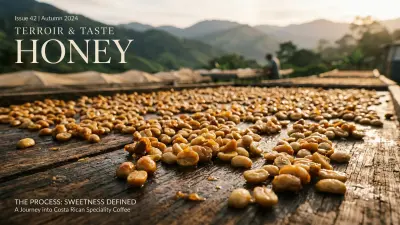
Understanding Coffee Processing: The Key to Unlocking Flavor
Ever wondered why some coffees taste bright and clean, while others are bursting with jammy fruit notes? The secret often lies in how the coffee cherry is processed after it's picked. Think of coffee processing as the crucial step that transforms a raw fruit into the green bean ready for roasting. It's an art and a science that profoundly impacts your final cup's flavor, body, and aroma.
As your trusted barista friend, I'm here to demystify the three main processing methods: Washed, Natural, and Honey. Understanding these will not only deepen your appreciation for coffee but also help you choose beans that perfectly match your palate.
1. The Washed Process: Clean, Bright, and Classic
The washed process, also known as the "wet process," is the most common method globally and is revered for producing coffees with exceptional clarity and brightness. It's a meticulous process that aims to remove all layers of the coffee cherry fruit before drying the bean.
- How it works:
- Cherries are sorted: Ripe cherries are separated from under-ripe or over-ripe ones, often by floating them in water.
- Pulping: The skin and most of the fruit pulp are mechanically removed using a "depulper."
- Fermentation: The beans, still covered in a sticky, sugary layer called "mucilage," are then placed into fermentation tanks (with or without water) for 12-48 hours. This allows enzymes to break down the mucilage.
- Washing: After fermentation, the beans are thoroughly washed with water to remove any remaining mucilage. This is where the "washed" name comes from!
- Drying: Finally, the clean beans are dried, typically on patios, raised beds, or in mechanical dryers, until they reach an optimal moisture content (around 10-12%).
- Flavor Profile: Washed coffees are renowned for their clean cup, vibrant acidity, and distinct varietal characteristics. You'll often taste specific notes of citrus, florals, and delicate fruits. They tend to have a lighter body and a crisp finish. If you love a bright, nuanced, and "classic" coffee experience, look for washed beans.
- Why choose it? Consistency and a clear expression of the coffee's origin and varietal.
2. The Natural (Dry) Process: Fruity, Sweet, and Bold
The natural process is the oldest method of coffee processing and, in recent years, has seen a huge resurgence due to the incredible, unique flavors it can produce. It's also the most environmentally friendly in terms of water usage.
- How it works:
- Cherries are sorted: Ripe cherries are carefully sorted, often by hand, to remove any unripe or damaged fruit.
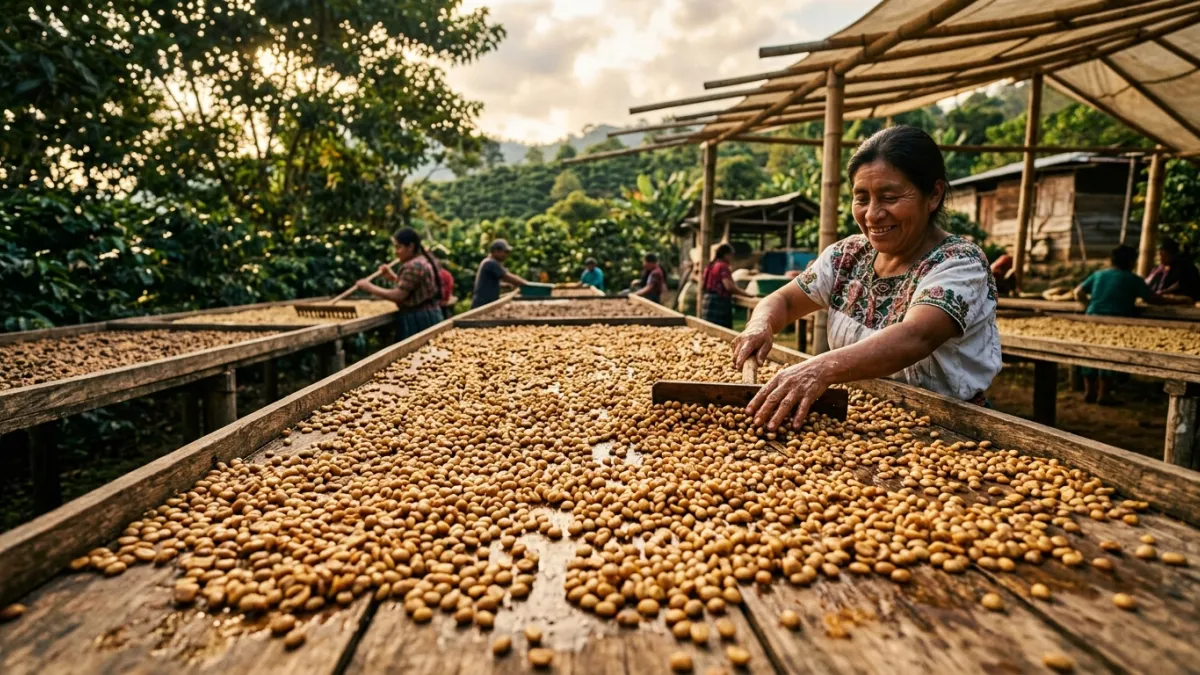
- Whole cherry drying: The entire coffee cherry, skin, pulp, and all, is laid out to dry in the sun. This can be on large patios or, more commonly for specialty coffee, on raised beds to promote even airflow and prevent mold.
- Constant turning: The cherries are regularly turned throughout the drying period (which can last weeks!) to ensure uniform drying and prevent fermentation defects.
- Hulling: Once fully dried, the shriveled fruit is removed from the bean in a dry mill.
- Flavor Profile: Natural processed coffees are famous for their intense sweetness, full body, and pronounced fruity notes. Expect flavors like berries, tropical fruits, stone fruits, and sometimes even a hint of wine-like or boozy complexity. The fruit sugars from the cherry infuse into the bean during drying, creating a truly distinct cup. If you're an adventurous brewer who loves big, bold, fruit-forward flavors, naturals are for you!
- Why choose it? Unparalleled sweetness and complex fruitiness.
3. The Honey Process: The Best of Both Worlds
Don't let the name fool you – honey-processed coffee doesn't involve actual honey! The "honey" refers to the sticky, golden color and texture of the mucilage left on the bean during the drying stage. Originating in Costa Rica, this method is a hybrid, blending elements of both washed and natural processes.
- How it works:
- Pulping: Like the washed process, the skin and most of the pulp are removed from the cherry.
- Mucilage left on: Unlike the washed process, a specific amount of mucilage is intentionally left on the bean. The amount varies, leading to different "honey" classifications:
- Yellow Honey: A small amount of mucilage is left. Dries relatively quickly, lighter fruit notes.
- Red Honey: A medium amount of mucilage is left. Dries slower, more sweetness and body.
- Black Honey: The most mucilage is left (almost like a natural process). Dries very slowly, intense sweetness, heavy body, and pronounced fruitiness.
- Drying: The sticky beans are carefully dried on raised beds, requiring constant turning and meticulous attention to prevent over-fermentation or mold due to the high sugar content.
- Flavor Profile: Honey processed coffees offer a wonderful balance. They typically have a cleaner sweetness than naturals, a fuller body than washed coffees, and pronounced fruity notes with a syrupy mouthfeel. Expect sweet citrus, stone fruits, caramel, and a rich, rounded flavor. They're often described as having the best attributes of both worlds.
- Why choose it? Balanced sweetness, enhanced body, and nuanced fruit flavors without the wildness of some naturals.
Choosing Your Next Bag: Practical Tips
Now that you know the differences, how do you apply this knowledge?
- Read the label: specialty coffee roasters almost always list the processing method on their bags.
- Experiment: Try a washed Ethiopian, a natural Brazilian, and a honey-processed Costa Rican. Note the differences in flavor, body, and acidity.
- Match to your brew method:
- Washed: Excellent for pour-overs, AeroPress, or any method where you want clarity and brightness to shine.
- Natural: Great for French press, espresso (can produce lovely crema and bold shots), or pour-overs if you love big fruit.
- Honey: Versatile! Works beautifully across many methods, offering a balanced and sweet cup.
The world of coffee processing is fascinating, and understanding these methods is a huge step in becoming a more informed and appreciative home barista. So next time you're browsing for beans, keep an eye on that processing method – it's a direct peek into the flavor journey awaiting you!